
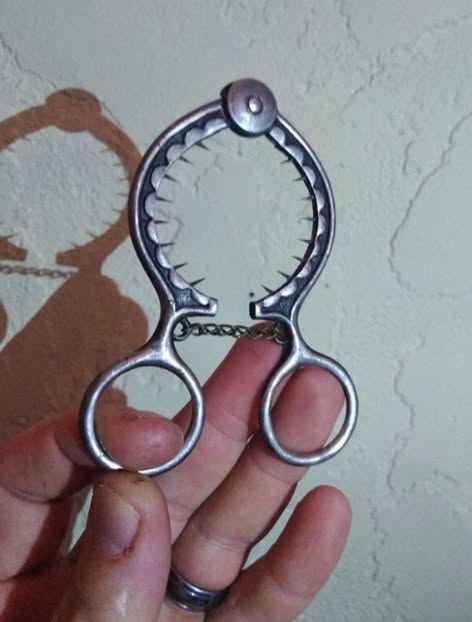
Every so often, a strange, metallic object surfaces from an attic, a thrift store bin, or an online forum, sparking immediate debate and intense curiosity. With its curved grips, sharp interior teeth, and scissor-like mechanism, the object in question looks intimidating at first glance. Many people mistake it for an unusual medical device, a torture device from the past, or an obscure workshop clamp. However, the truth is far more ordinary—and delightfully practical.
This unique object is a vintage soft-boiled egg topper, also known as an egg topper cutter or egg shell cutter. Designed during the late 19th and early 20th centuries, this ingenious kitchen tool was created to neatly remove the top portion of a soft-boiled egg shell without leaving tiny, frustrating shell fragments behind.
Understanding the history and craft behind vintage kitchenware provides a fascinating glimpse into domestic history, industrial design, and the evolving culture of fine dining.
How the Vintage Egg Topper Works
During the Victorian and Edwardian eras, formal breakfast presentation was taken very seriously in wealthy households. Eating a soft-boiled egg straight from its shell placed in a porcelain egg cup was a daily routine, but cracking the egg with a standard spoon often resulted in jagged edges and broken shell bits landing in the yolk.
To solve this everyday problem, inventors developed specialized mechanical tools:
The Toothed Ring Mechanism: The circular top of the tool features small, inward-facing teeth or blades.
Controlled Pressure: When the user places the ring over the pointed end of a boiled egg and squeezes the handles together, the teeth pierce slightly into the outer shell along a clean circular line.
A Clean Twist: With a slight rotation of the tool, the top dome of the eggshell cleanly snaps off, leaving a perfectly exposed, smooth opening ready for dipping toast points or scooping with a delicate spoon.
The History and Evolution of Antique Kitchen Gadgets
The turn of the 20th century was an era of rapid invention. Metallurgists and industrial designers raced to patent household tools aimed at making everyday culinary tasks cleaner, faster, and more elegant.
Fine Dining Etiquette of the 19th Century
In upper-class dining rooms, direct contact between food and hands was minimized whenever possible. Specialized utensils were crafted for virtually every dish imaginable—from grape shears and marrow spoons to asparagus tongs and egg toppers. These items were typically crafted from nickel-plated brass, sterling silver, or sturdy stainless steel to prevent rusting and to withstand daily household use.
The Rise of Modern Collectibles
Today, vintage culinary devices have found new life in the world of antique collecting. Collectors actively search estate sales, flea markets, and online auctions for original patents made by famous historic cutlery manufacturers. The intricate metalwork, solid construction, and sheer novelty of these pieces make them high-demand items among history enthusiasts and vintage interior decorators.
What Makes Vintage Metalwork Valuable Today?
Evaluating antique tools and metal kitchenware requires a keen eye for detail. Whether you are an avid collector, a history buff, or someone who inherited a box of old heirlooms, several key factors determine the value and historic significance of these items:
Manufacturer Stamps and Hallmarks: Look closely for small engraved numbers, patent dates, or maker marks near the hinges or handles. English, German, and American hallmarks often pinpoint the exact decade of manufacture.
Material Composition: Solid sterling silver pieces command a much higher market price than silver-plated or nickel-plated brass versions, though well-preserved nickel-plated tools remain highly sought after for their shiny vintage aesthetic.
Mechanical Condition: Mechanical items with working springs, intact chain linkages, and original teeth retain significantly higher resale value than broken or severely rusted pieces.
Rarity of Design: While scissor-action egg toppers are relatively well-documented, unique variations featuring specialized chain limiters, ornate handles, or spring-loaded triggers are particularly rare.
Preservation and Care for Antique Metal Tools
If you happen to acquire a vintage metal kitchen gadget, proper preservation is crucial to protect its historical value and prevent corrosion over time:
Avoid Abrasive Cleaners: Never use harsh chemicals or coarse steel wool on antique metals, as this can strip protective plating or original patina.
Gentle Cleaning: Clean the item using mild soap, warm water, and a soft-bristled brush to remove dust from tight crevices around the teeth and hinges.
Thorough Drying: Moisture is the primary cause of rust and oxidation. Use a micro-fiber cloth to dry every joint immediately after cleaning.
Light Lubrication: A microscopic drop of food-safe mineral oil placed on the central pivot pin or hinge keeps moving parts working smoothly without attracting dirt.
Connecting History, Technology, and Personal Assets
Fascinating historical objects remind us of how human ingenuity continually solves daily challenges. In many ways, the study of vintage inventions mirrors how we evaluate long-term value in modern life. Whether you are managing personal property, acquiring valuable art and antiques, or protecting family assets through insurance policies and estate planning, understanding the true origin and worth of items is always a smart investment.
Navigating unique acquisitions, secondary market valuations, or even business opportunities around vintage retail requires attention to detail. Just as careful research prevents buying a counterfeit collectible, staying informed in your personal finances, legal matters, and investments ensures long-term security.
Practical Tips for Identifying Unknown Antique Objects
If you stumble across a strange metallic tool at a yard sale, keep these handy steps in mind to identify its true purpose:
Examine the Action: Squeeze the handles or levers to observe how the moving parts interact.
Check the Geometry: Circular, curved, or clawed openings usually indicate an object designed to hold or cut round food items like eggs, nuts, or fruit.
Search Patent Records: If the item features a patent date stamped onto the handle, a quick search through public patent databases will instantly bring up the original blueprints and intended function.
Consult Online Communities: Antique identification groups on social media platforms are filled with knowledgeable historians who love solving culinary mysteries.
Frequently Asked Questions
What is the main purpose of a vintage egg topper?
A vintage egg topper is designed to pierce and cleanly cut the top dome off a soft-boiled egg shell, allowing easy access to the egg without leaving broken shell bits inside.
Are vintage egg toppers still usable today?
Yes, as long as the tool is clean, rust-free, and mechanically sound, it functions just as effectively on modern soft-boiled eggs as it did over a century ago.
How can I tell if an antique kitchen tool is valuable?
Value depends heavily on condition, material (such as sterling silver versus plated metal), clarity of manufacturer hallmarks, and rarity of the design.
Conclusion
What initially appears to be a bizarre or intimidating piece of metal is actually a clever testament to historic craftsmanship and culinary culture. The vintage egg topper stands as a charming example of how past generations blended functionality with fine dining elegance, turning a simple breakfast routine into an art form.
