
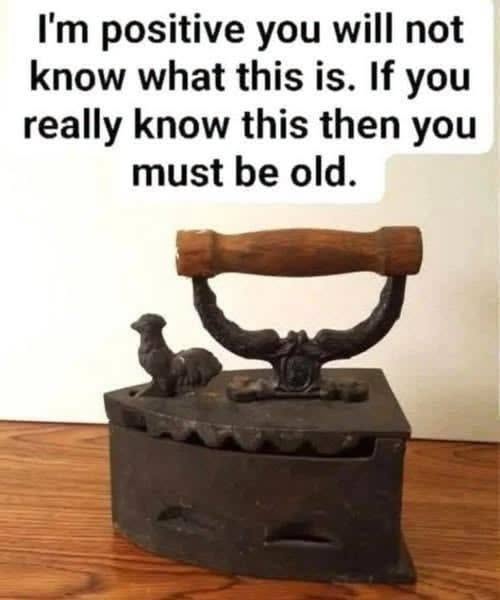
Long before electric clothes irons became standard household appliances, pressing clothing and linens was a labor-intensive chore. Before modern steam irons with precise temperature settings existed, homes relied on heavy, cast-iron devices heated manually. Among the most popular traditional laundry tools was the charcoal iron (often referred to as a box iron or coal iron).
Recognizable by its heavy iron body, wooden handle, hinged top lid, and decorative latch, the charcoal iron remains a fascinating piece of domestic history. In this comprehensive guide, we explore the history of charcoal irons, how they operated, essential care tips for vintage antiques, and their cultural legacy.
What Is a Charcoal Iron and How Did It Work?
A charcoal iron is an early non-electric clothes iron that generated heat internally using glowing coals or hot embers.
Unlike solid flat irons (“sad irons”) that had to be constantly reheated on top of a hot stove or open fire, charcoal irons had a hollow interior chamber. This allowed them to hold hot charcoal embers directly inside the iron body, providing continuous heat for extended pressing sessions.
Key Components of a Vintage Charcoal Iron
Hollow Cast-Iron Body: A thick, heat-retaining metal base designed to smooth out wrinkles in heavy fabrics like cotton and linen.
Hinged Lid and Latch: A flip-top lid—often featuring a decorative latch like a rooster, bird, or lever—allowed users to easily load fresh, burning charcoal inside.
Side Air Vents (Draft Holes): Small cutouts or air slots along the lower base allowed oxygen to circulate, keeping the charcoal burning steadily.
Chimney or Heat Shield: A small funnel or heat guard deflected smoke, soot, and intense radiant heat away from the user’s hand and delicate clothing.
Wooden Handle: A contoured wooden handle insulated the user’s hand from the blistering heat of the cast-iron frame.
The History and Evolution of Domestic Ironing
Ironing clothes to remove wrinkles and sanitize fabrics dates back thousands of years.
Early Ironing Methods
In ancient China, metal pans filled with hot coals were passed over silk fabrics. In Europe, heavy solid metal irons (“sad irons”) were heated on wood stoves. However, sad irons cooled quickly, requiring homemakers to rotate multiple irons between the stove and the ironing board continuously.
The Rise of Internal-Heat Irons
During the 19th and early 20th centuries, charcoal irons offered a massive efficiency improvement. Because the burning coals inside generated continuous heat, laundry could be pressed much faster without constant trips back to the hearth. Charcoal irons remained household staples well into the 20th century until rural electrification made electric irons widely accessible.
How People Used Charcoal Irons Safely
Operating a charcoal iron required skill, patience, and careful handling to avoid burning clothes or scattering ash.
Preparing the Coals: Charcoal embers were lit outdoors or in a fireplace until glowing before being loaded into the iron’s hollow chamber.
Controlling Temperature: Users blew through the side vents or waved the iron gently back and forth to supply oxygen and increase the heat.
Protecting Fabrics: To prevent soot spots or scorched fabric, users tested the iron’s heat on a damp rag and frequently swept away stray ash.
Collecting and Caring for Antique Charcoal Irons
Today, vintage charcoal irons are prized collectibles among antique enthusiasts, museum curators, and historians.
Essential Care Tips for Vintage Iron Collectibles
Preventing Rust: Store cast-iron antiques in a dry area. Apply a thin layer of food-grade mineral oil or clear wax to protect raw iron surfaces from oxidation.
Gentle Cleaning: Avoid harsh chemicals or abrasive wire brushes that can damage vintage patinas. Clean gently with a soft brush and mild soapy water, then dry thoroughly immediately.
Preserving Wooden Handles: Treat original wooden handles with natural mineral oil or beeswax to prevent cracking and drying over time.
Frequently Asked Questions (FAQ)
Why does the latch on a charcoal iron often look like a rooster?
The decorative rooster or bird latch was a classic design feature in late 19th-century manufacturing. Beyond aesthetics, the raised shape provided a cool point to lift the hot latch and open the lid safely.
How heavy were vintage charcoal irons?
Most charcoal irons weighed between 5 to 10 pounds (2 to 4.5 kg) when empty, making ironing a strenuous physical workout!
Are charcoal irons still used today?
While electric irons are standard worldwide, charcoal irons are still occasionally used in off-grid communities, historical re-enactments, and regions with limited electricity access.
Conclusion
The charcoal iron stands as a testament to everyday domestic ingenuity before the electric age. With its distinctive cast-iron design, wooden handle, and clever internal heating system, this vintage tool offers a memorable glimpse into the history of household care and domestic life.
