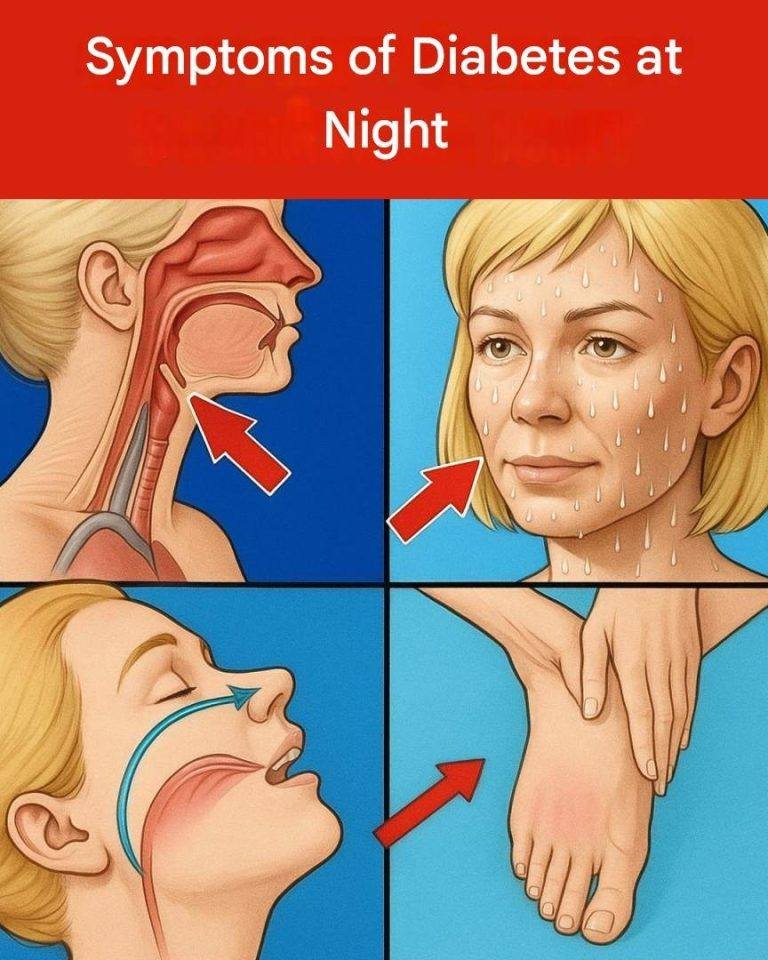
Managing blood glucose levels is a 24-hour physiological process, yet many of the most distinct indicators of unmanaged diabetes manifest during sleep hours. Disruptions in glucose homeostasis can cause nocturnal fluctuations that trigger metabolic stress, autonomic nervous system responses, and sleep fragmentation. Recognizing nocturnal diabetic symptoms—such as severe xerostomia (dry mouth), nocturnal hypoglycemia-induced sweating, sleep apnea breathing patterns, and peripheral neuropathy pain—is essential for preventing long-term vascular and neurological complications. This comprehensive guide details the biological mechanisms behind nighttime diabetes symptoms, glycemic condition comparison tables, step-by-step sleep and glucose management protocols, and practical advice on household budgeting and preventative health insurance coverage. Nocturnal Symptoms and Glycemic Mechanisms+———————————————————————–+
| NOCTURNAL GLUCOSE PATHWAY |
+———————————————————————–+
| 1. GLYCEMIC SHIFTS –> Hyperglycemia / Nocturnal Hypoglycemia |
+———————————————————————–+
|
v
+———————————————————————–+
| 2. METABOLIC RESPONSE–> Osmotic diuresis & adrenergic adrenaline spike|
+———————————————————————–+
|
v
+———————————————————————–+
| 3. NIGHTTIME SIGNS –> Severe dry mouth, night sweats & foot pain |
+———————————————————————–+
1. Severe Dry Mouth and Frequent Urination (Polydipsia & Nocturia)When blood sugar levels remain elevated overnight (hyperglycemia), the kidneys work overtime to filter and excrete excess glucose through urine (osmotic diuresis). This fluid loss leads to dehydration, reduced salivary gland secretion, and a severe, parched feeling in the throat and mouth (xerostomia) upon waking. 2. Nocturnal Night Sweats and Clammy SkinA sudden drop in blood glucose levels during sleep (nocturnal hypoglycemia) triggers an emergency surge of epinephrine (adrenaline) from the adrenal glands. This adrenaline spike stimulates sweat glands, causing individuals to wake up drenched in cold sweat with a rapid heart rate. 3. Sleep Apnea and Disrupted Airway BreathingType 2 diabetes is strongly linked with Obstructive Sleep Apnea (OSA), a condition where upper airway tissues relax and block airflow during sleep. Intermittent hypoxia during sleep increases insulin resistance and elevates morning fasting glucose levels. 4. Burning, Tingling, or Throbbing Foot Pain (Diabetic Peripheral Neuropathy)Prolonged high blood sugar damages the small blood vessels supplying nerve fibers in the extremities. At night, when sensory distraction decreases, diabetic peripheral neuropathy manifests as burning, numbness, hypersensitivity, or sharp throbbing sensations in the feet and toes. Nocturnal Glycemic Condition Comparison Table+——————–+———————–+———————–+
| Nocturnal Event | Primary Biological Cause| Typical Night Sign |
+——————–+———————–+———————–+
| Hyperglycemia | High Blood Glucose | Dry Mouth & Urination |
| Hypoglycemia | Low Blood Glucose | Sweating & Nightmares |
| OSA (Sleep Apnea) | Upper Airway Collapse | Snoring & Gasping |
| Peripheral Neuropathy| Microvascular Nerve Damage| Burning / Tingling Feet|
+——————–+———————–+———————–+
Step-by-Step Instructions: How to Stabilize Nighttime Blood SugarFollow these evidence-based steps to optimize your nighttime glycemic levels and support restful sleep:+———————————————————————–+
| NOCTURNAL GLUCOSE CHECKLIST |
+———————————————————————–+
| Step 1: Monitor blood sugar levels before bed & track patterns. |
| Step 2: Eat a balanced bedtime snack with complex carbs & protein. |
| Step 3: Maintain proper hydration throughout the evening hours. |
| Step 4: Keep a bedside water bottle & foot care hydration creams. |
| Step 5: Schedule an annual HbA1c test & comprehensive foot exam. |
+———————————————————————–+
Check Bedtime Blood Sugar Levels: Test your blood glucose before going to bed. If levels are too low, consume a small, balanced snack containing protein and complex carbohydrates (such as peanut butter on whole-grain toast) to prevent midnight drops. Optimize Hydration Intake: Drink adequate water during the early evening to offset osmotic diuresis without over-hydrating right before bed, reducing frequent bathroom trips. Inspect and Protect Your Feet: Establish a nightly foot care routine. Wash feet with warm water, dry thoroughly between toes, and apply a thick moisturizing cream to prevent skin cracking and neuropathic discomfort. Evaluate for Sleep Apnea: If you experience loud snoring, daytime fatigue, or morning headaches, request a clinical sleep study from your physician to assess for obstructive sleep apnea. Review Insulin and Medications: Consult your doctor or endocrinologist to adjust the timing or dosage of basal insulin or oral diabetes medications if you consistently experience nocturnal hypoglycemia or high morning readings (the Somogyi effect or Dawn Phenomenon). Home Management, Household Budgeting, and Financial HealthManaging diabetes proactively prevents severe long-term health complications, safeguarding your family’s financial future. Smart Home Budgeting & Healthcare SavingsControlling blood sugar through routine monitoring, balanced nutrition, and lifestyle habits prevents costly emergency room visits for severe hypoglycemia or diabetic ketoacidosis (DKA). Managing your monthly health and grocery budget intentionally enables families to preserve capital to build emergency savings accounts, pay off high-interest credit card debt, or allocate funds toward long-term financial investments. Preventative Medical Care, Insurance Benefits, and Medicare ProtectionAnnual HbA1c blood tests, diabetic eye exams, podiatry consultations, and Continuous Glucose Monitor (CGM) supplies are heavily covered under primary health insurance policies and Medicare. Utilizing preventative healthcare coverage minimizes out-of-pocket medical bills while safeguarding both physical well-being and personal financial peace of mind. Frequently Asked Questions (FAQ)What causes the “Dawn Phenomenon” in diabetes?The Dawn Phenomenon refers to a natural rise in blood sugar early in the morning (typically between 3 AM and 8 AM) caused by a surge of cortisol, growth hormone, and glucagon, which increases insulin resistance. Is night sweating always a sign of low blood sugar?Not always. While night sweats are a classic sign of nocturnal hypoglycemia, they can also stem from hormonal transitions (such as menopause), thyroid disorders, or bedroom temperature settings. Checking your blood sugar during a sweating episode helps confirm the cause. ConclusionRecognizing nighttime diabetes signs like dry mouth, cold sweats, and foot discomfort empowers you to take control of your metabolic health. Monitor your bedtime glucose levels, maintain proper hydration, consult your healthcare provider, and protect your vitality every night!
Symptoms of Diabetes at Night: Endocrine Science, Sleep Disruptions, and Care