
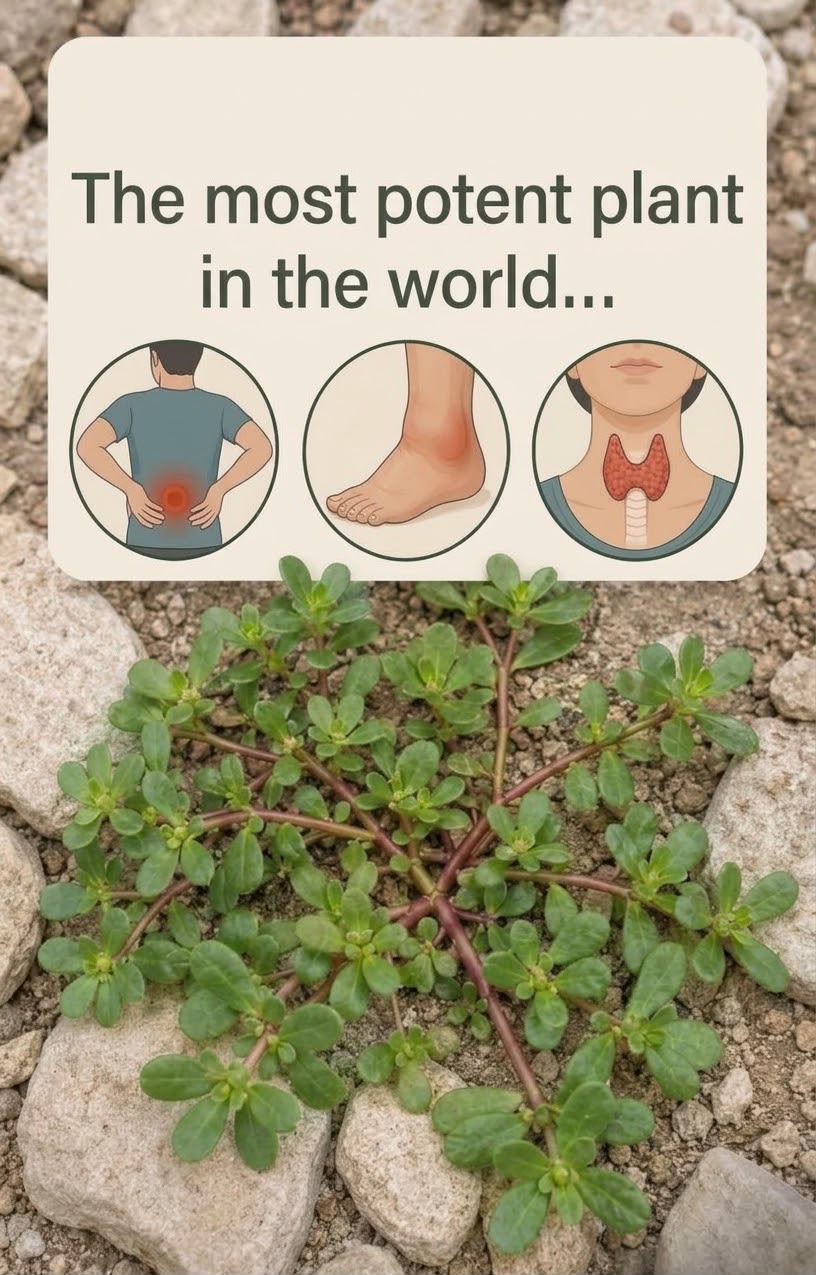
For generations, gardeners and farmers have spent hours pulling up a stubborn, low-growing plant that thrives in dry soil, sidewalk cracks, and neglected backyard garden beds. Commonly dismissed as an invasive, unwanted weed, purslane (Portulaca oleracea) is actually one of the most nutrient-dense green plants on the planet. Recognized by its reddish, succulent stems and small, teardrop-shaped fleshy leaves, this humble botanical treasure has been revered in traditional Mediterranean, Asian, and Middle Eastern medicine for thousands of years.
In recent years, modern nutritional science and herbal health researchers have rediscovered purslane, revealing a rich biochemical profile that rivals—and in some cases exceeds—cultivated leafy greens like spinach and kale. From delivering exceptionally high levels of heart-healthy omega-3 fatty acids to providing essential minerals and protective antioxidants, purslane is shifting from garden pest to prized superfood.
In this comprehensive guide, we will examine the botanical profile of purslane, break down its scientific health benefits, explore traditional preparation methods, discuss vital medical precautions, and look at how incorporating superfoods supports long-term physical and financial wellness.
What Is Purslane? Understanding the Botanical Powerhouse
Purslane (Portulaca oleracea) is a annual succulent plant in the family Portulacaceae. Capable of growing in poor, dry, or sandy soils across tropical and temperate climates worldwide, purslane is an evolutionary master of resilience.
Key Visual Characteristics
Stems: Smooth, reddish-purple, trailing stems that spread horizontally across the ground.
Leaves: Thick, succulent, smooth, teardrop-shaped leaves that store water, allowing the plant to thrive during droughts.
Flowers: Small, bright yellow flowers with five petals that open only on sunny mornings.
Taste Profile: Crisp and refreshing with a slightly sour, salty, and lemony flavor, similar to watercress or green apples.
Nutritional Science: Why Purslane Is Extraordinary
While many wild plants offer mild nutritional value, purslane stands out for its extraordinary density of vital essential nutrients and active biological compounds.
1. The Highest Plant Source of Omega-3 Fatty Acids
One of the most remarkable discoveries regarding purslane is its alpha-linolenic acid (ALA) content. ALA is an essential plant-based omega-3 fatty acid crucial for cardiovascular health, cell membrane structure, and reducing systemic inflammation. Pound for pound, fresh purslane leaves contain up to five times more omega-3 fatty acids than cultivated spinach.
2. Rich in Powerful Cellular Antioxidants
Purslane is loaded with key vitamins and antioxidants that neutralize cellular oxidative stress:
Vitamin A (Beta-Carotene): Supports eye health, skin integrity, and immune defense.
Vitamin C (Ascorbic Acid): Promotes collagen synthesis, vascular health, and tissue repair.
Vitamin E (Alpha-Tocopherol): Protects cell membranes from free radical damage.
Betalain Pigments: Powerful antioxidant pigments (responsible for the red stems) that exhibit anti-inflammatory activity.
3. Essential Mineral Composition
Purslane absorbs essential bioavailable minerals from the soil, providing rich amounts of:
Magnesium: Crucial for muscle contraction, nerve function, and blood pressure regulation.
Potassium: Helps balance body fluids, supports kidney function, and regulates vascular tone.
Calcium: Supports bone density and cellular signaling pathways.
Iron: Vital for hemoglobin production and oxygen transport throughout the bloodstream.
Health Benefits: How Purslane Supports the Body
Given its dense nutrient profile, purslane offers a wide array of potential wellness benefits when integrated into a balanced diet.
Nutrient / Compound Primary Biological Mechanism Potential Health Target
Omega-3 Fatty Acids (ALA) Reduces arterial inflammation & supports lipid balance Cardiovascular system & joint health
Potassium & Magnesium Promotes blood vessel relaxation & fluid homeostasis Blood pressure & muscle recovery
High Water Content & Fiber Supports renal filtration & gentle digestive motility Kidney function & metabolic balance
Flavonoids & Betalains Reduces oxidative stress on glandular tissues Immune health & thyroid tissue protection
Supporting Cardiovascular and Inflammatory Wellness
The high concentration of omega-3s, combined with potassium and magnesium, makes purslane an excellent dietary choice for promoting heart health. Regular consumption of foods rich in ALA helps maintain healthy arterial elasticity, supports balanced cholesterol ratios, and helps reduce systemic inflammatory markers.
Metabolic and Kidney Support
In traditional folk medicine, purslane preparations were frequently used to support urinary tract wellness and fluid balance. Its high moisture content and rich potassium levels encourage natural kidney filtration, while its soluble dietary fibers help stabilize blood sugar absorption following meals.
Preparing Purslane: Delicious Culinary Uses
In many parts of the world—including Greece, Turkey, Mexico, and India—purslane is not pulled up as a weed, but harvested as a staple summer vegetable.
1. Fresh Mediterranean Purslane Salad
Raw purslane retains its crisp texture and tangy flavor, making it a perfect base for summer salads.
Ingredients: Fresh tender purslane leaves and stems, diced cucumbers, ripe cherry tomatoes, crumbled feta cheese, extra virgin olive oil, fresh lemon juice, and a pinch of sea salt.
Preparation: Wash the purslane thoroughly under cold running water to remove soil. Chop into bite-sized pieces, toss with fresh ingredients, and serve immediately.
2. Traditional Purslane Tzatziki
Ingredients: 2 cups finely chopped purslane, 1 cup thick Greek yogurt, 2 crushed garlic cloves, 1 tablespoon olive oil, fresh dill, and lemon juice.
Preparation: Combine ingredients in a bowl and chill for one hour before serving with whole-grain pita bread or grilled vegetables.
3. Sautéed Purslane Greens
Cooking purslane slightly softens its texture while preserving its rich flavor. Sauté tender stems in olive oil with garlic and onions for 3 to 5 minutes, finishing with a pinch of sea salt and pepper as a nutrient-packed side dish.
Crucial Safety Precautions and Identification Warnings
While purslane is safe and nutritious for most people, proper identification and dietary awareness are critical.
1. Avoid Toxic Look-Alikes (Spurge)
When foraging wild purslane, you must distinguish it from Prostrate Spurge (Euphorbia maculata), a poisonous weed that often grows right alongside purslane.
How to Tell the Difference: Break a stem. Prostrate Spurge exudes a milky white sap when broken and has thin, non-succulent leaves with dark reddish spots. True purslane has a clear juice inside its thick, fleshy stems. Never eat any plant that produces milky white sap.
2. Oxalate Content
Like spinach, Swiss chard, and beet greens, purslane contains natural oxalates. Individuals with a history of calcium-oxalate kidney stones should consume purslane in moderation or boil the leaves briefly in water (discarding the cooking liquid) to significantly reduce oxalate concentrations.
Integrating Botanical Wellness into Comprehensive Health Planning
Exploring nutrient-rich wild superfoods like purslane reflects a growing commitment to proactive, natural health choices. However, self-care routines work best alongside structured modern healthcare.
Navigating Healthcare and Financial Peace of Mind
Maintaining strong physical health through whole food nutrition directly reduces long-term risks for chronic metabolic and cardiovascular conditions. Taking charge of your health helps you qualify for lower premiums on personal health insurance and life insurance policies.
Furthermore, utilizing covered preventive medical services—such as annual blood chemistry panels, routine metabolic checks, and specialist visits—ensures that any underlying health issues are caught early. Protecting your physical vitality goes hand-in-hand with managing your personal finance and long-term investment goals, ensuring a secure, healthy future for you and your family.
Fascinating Facts About Purslane
Grown in Space: NASA selected purslane as one of a small group of candidate crops for long-term space missions due to its extreme resilience, high water content, and extraordinary nutrient density.
Gandhi’s Favorite Green: Mahatma Gandhi was a famous advocate for purslane, regularly eating it and writing about its incredible health benefits in his newsletters.
Ancient Medicine: In traditional Chinese medicine (TCM), purslane is known as Ma Chi Xian (“Horse Tooth Amaranth”) and has been used for thousands of years to soothe internal heat and digestive discomfort.
Drought Survival: Purslane can temporarily switch its photosynthesis pathway during severe droughts to conserve water, allowing it to stay alive when almost all neighboring plants wither.
Conclusion: Rethinking the Wealth in Our Backyards
The next time you see purslane creeping across a sunny garden bed or along a garden border, pause before pulling it up. Far from being a nuisance weed, this resilient botanical plant is a true natural gift—packed with essential omega-3s, vital minerals, and powerful antioxidants.
By learning to identify true purslane safely, preparing it in crisp fresh salads or warm sautés, and combining natural superfoods with professional medical care, you can harness the remarkable benefits of this forgotten green powerhouse.
Frequently Asked Questions
Can you eat raw purslane every day?
Yes, healthy adults can eat fresh raw purslane in moderation as part of a varied diet. However, because purslane contains natural oxalates, individuals prone to kidney stones should rotate their greens or lightly cook purslane to reduce oxalate levels.
How do I distinguish purslane from poisonous spurge?
The easiest test is stem breaking: true purslane contains clear liquid inside its succulent red stems, while toxic spurge exudes a milky white sap when snapped. Additionally, spurge leaves are thinner and often feature a dark spot in the center.
Does purslane lose its nutrients when cooked?
Lightly sautéing or steaming purslane preserves most of its minerals and omega-3 fatty acids, though prolonged high-heat boiling can degrade heat-sensitive vitamins like Vitamin C. Lightly cooking also reduces oxalate content.
Can eating purslane replace fish oil supplements for omega-3s?
Purslane is one of the highest plant-based sources of ALA (alpha-linolenic acid), an essential omega-3 fatty acid. While the body converts ALA into EPA and DHA at lower rates than direct fish oil sources, purslane remains an outstanding vegan alternative for anti-inflammatory plant fats.
How should fresh purslane be stored after harvesting?
Wrap unwashed purslane stems loosely in a damp paper towel and store them in a perforated plastic bag inside your refrigerator’s crisper drawer. Fresh purslane stays crisp for up to 3 to 5 days. Wash thoroughly right before eating.
