
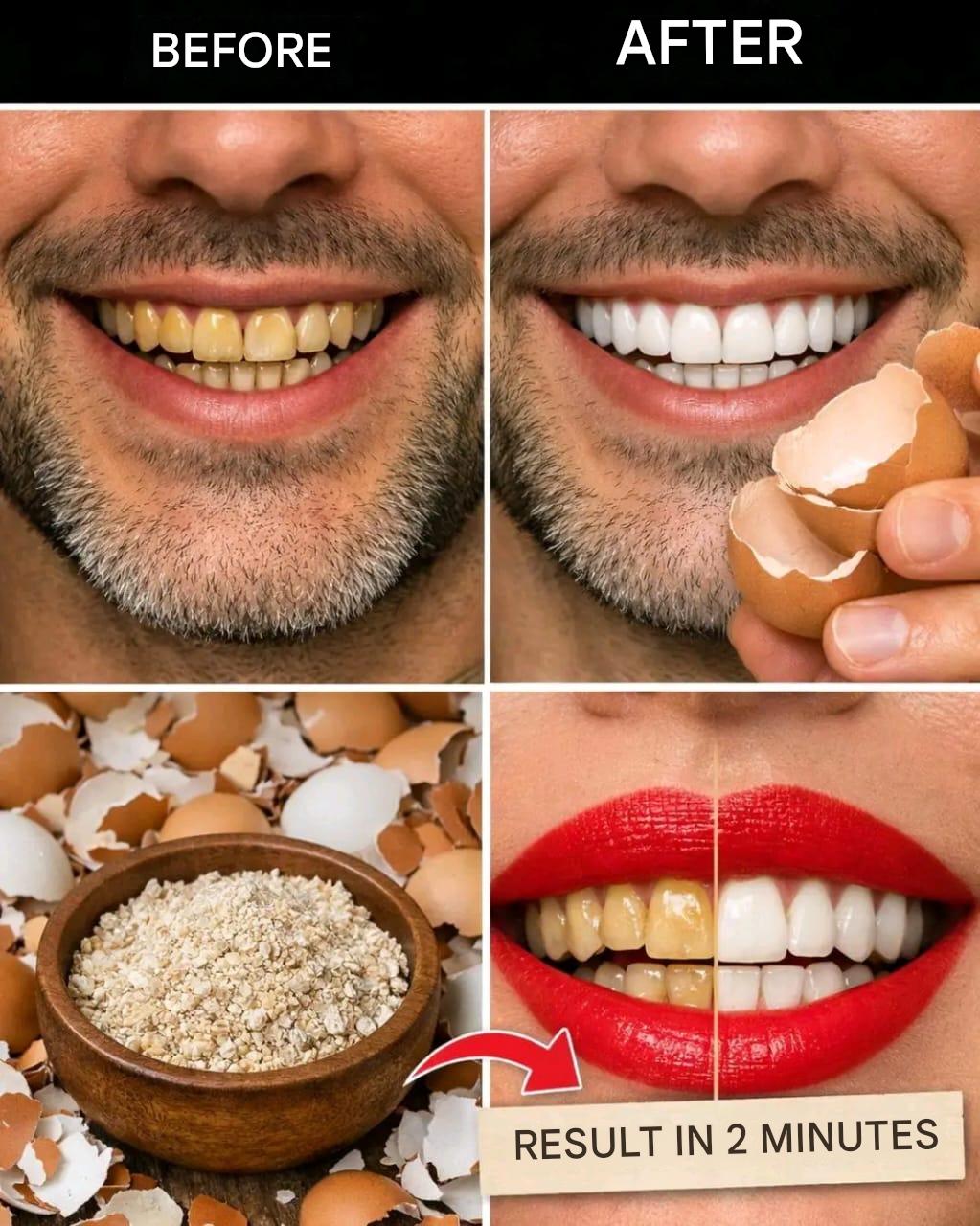
A bright, glowing smile is often viewed as a cornerstone of confidence, health, and personal attractiveness. Across social media platforms, viral DIY beauty hacks promise dramatic optical transformations in just minutes using everyday kitchen ingredients. From crushed eggshells and baking soda pastes to activated charcoal and fruit peels, home remedies claim to lift tough coffee, tea, and wine stains without the high cost of clinical cosmetic dentistry or over-the-counter chemical bleaching kits.
While the idea of achieving a brilliant white smile using inexpensive, natural ingredients is undeniably appealing, taking care of your dental enamel requires extreme caution. Enamel is the outermost protective layer of your teeth, and unlike skin, bone, or soft tissues, enamel does not contain living cells and cannot regenerate once worn away or eroded.
In this comprehensive dental health guide, we analyze the trending eggshell powder teeth whitening hack, examine the science behind tooth discoloration and enamel preservation, explore safe home care routines, and evaluate professional, insurance-backed whitening alternatives.
The Science of Tooth Discoloration: Why Teeth Turn Yellow
To evaluate any whitening method effectively, it helps to understand why teeth lose their brightness in the first place. Tooth discoloration is broadly divided into two distinct categories: extrinsic staining and intrinsic discoloration.
Extrinsic Staining
Extrinsic stains occur on the outer surface of the enamel layer. They are primarily caused by dark-colored pigments found in daily foods and beverages, as well as lifestyle habits:
Dark Beverages: Coffee, black tea, red wine, and dark sodas contain chromogens—intense color pigments that easily bind to enamel.
Tobacco Products: Tar and nicotine in cigarettes or vapes produce stubborn yellow and brown surface stains.
Tannin-Rich Foods: Berries, soy sauce, curry dishes, and dark balsamic vinegar contribute to gradual surface darkening over time.
Intrinsic Discoloration
Intrinsic stains occur within the inner structure of the tooth, beneath the enamel in a softer layer called dentin. As people age, the outer enamel naturally thins due to friction and acidic food exposure, revealing more of the naturally yellowish dentin beneath. Intrinsic darkening can also be caused by childhood antibiotic exposure (such as tetracycline), trauma to the tooth pulp, excessive fluoride intake during early dental development, or genetic factors.
Extrinsic surface stains can often be gently polished away with surface cleaning, whereas intrinsic discoloration typically requires professional chemical bleaching agents like hydrogen peroxide or carbamide peroxide that penetrate deep into the tooth structure.
Unpacking the Eggshell Powder Whitening Hack
Eggshell powder has gained massive viral attention as a DIY tooth polishing remedy. Proponents claim that crushed eggshells offer a natural, mineral-rich alternative to synthetic whitening powders and expensive dental procedures.
What is Eggshell Powder Made Of?
Eggshells are primarily composed of calcium carbonate—the exact same chemical compound found in chalk, limestone, and many commercial abrasive toothpastes. Eggshells also contain trace minerals, including strontium, fluoride, and magnesium, alongside an organic protein matrix.
How Does It Claim to Work?
The underlying theory behind using ground eggshell powder on teeth is mechanical abrasion. When brushed against the surface of teeth, the rough micro-particles physically rub away extrinsic surface stains, food residue, and dental plaque. Additionally, because eggshells contain high concentrations of calcium, viral posts often claim that eggshells can active “remineralize” weakened enamel.
The Risks: Abrasiveness and Enamel Erosion
While calcium carbonate is a standard polishing agent in clinical polishing pastes, raw home-ground eggshell powder poses significant dental risks:
Particle Size and Micro-Scratches: Grinding eggshells at home using standard blenders or mortars yields uneven, jagged micro-particles with sharp edges. Brushing these abrasive particles against teeth acts like fine sandpaper, scouring microscopic grooves into your enamel.
Increased Vulnerability to Stains: While abrasive scrubbing may temporarily lighten surface stains, the microscopic scratches created on the enamel actually create new crevices where future stains, bacteria, and plaque can settle even faster.
Gingival Trauma: Rough particles can lodge beneath the gumline, leading to gum irritation, minor lacerations, localized inflammation, or bacterial infections.
Sanitation Concerns: Raw eggshells can harbor harmful pathogens, such as Salmonella, if they are not thoroughly boiled, sanitized, and baked at high temperatures before processing.
Safe Home Care Practices for a Brighter Smile
Achieving a healthy, attractive smile does not require risking your enamel with unverified abrasive pastes. You can safely protect and brighten your teeth at home by following evidence-based oral hygiene techniques.
+—————————+——————————————————-+
| Daily Habit | Primary Oral Health Benefit |
+—————————+——————————————————-+
| Fluoride/Nano-hydroxyapatite| Strengthens enamel and aids micro-remineralization |
| Soft-Bristle Toothbrush | Cleans plaque without abrading enamel or irritating gums|
| Rinsing Water After Coffee| Reduces contact time between pigments and enamel |
| Daily Interdental Flossing| Removes stain-causing bacteria from between teeth |
| Twice-Daily 2-Min Brushing| Prevents tartar build-up and surface stain accumulation|
+—————————+——————————————————-+
Use Approved Remineralizing Ingredients
If you are looking for calcium-rich enamel support, opt for clinically tested formulations containing Nano-hydroxyapatite (n-HAp) or Sodium Fluoride. Hydroxyapatite is the actual mineral matrix that makes up 97% of human tooth enamel. Fluoride and n-HAp toothpastes safely remineralize microscopic enamel deficits without damaging the surface geometry of your teeth.
Practice Proper Brushing Technique
Brushing too aggressively or using hard-bristled brushes causes enamel wear and gum recession—a condition where the gums pull back, exposing the yellowish root structure underneath. Always use a soft-bristled or sonic electric toothbrush with light pressure in circular motions for two full minutes twice daily.
Minimize Acidic and Staining Exposure
When drinking acidic or highly pigmented beverages like iced coffee, matcha, or sodas, consider using a reusable straw to direct fluids away from your front teeth. Follow dark beverages with a quick rinse of plain water to neutralize oral pH levels and wash away lingering chromogens before they set into the enamel.
Professional Teeth Whitening vs. DIY Remedies
When evaluating cost, safety, and results, it is important to understand how DIY home hacks compare to over-the-counter products and professional dental treatments.
+—————————–+——————-+——————–+———————————–+
| Whitening Method | Speed of Results | Potential Risks | Estimated Relative Cost |
+—————————–+——————-+——————–+———————————–+
| DIY Abrasives (Eggshell/Soda)| Immediate Polishing| High (Enamel Wear) | Very Low |
| OTC Whitening Strips | 1 to 2 Weeks | Moderate Sensitivity| Low to Moderate |
| Custom Dental Take-Home Trays| 1 to 2 Weeks | Low Sensitivity | Moderate (Often Covered by HSA) |
| In-Office Dental Whitening | 1 Hour (Immediate)| Mild Temporary Sens| High |
+—————————–+——————-+——————–+———————————–+
In-Office Dental Bleaching
In-office professional whitening utilizes highly concentrated peroxide gels activated by specialized light equipment under the direct supervision of a licensed dentist. Dental professionals apply protective barriers to your gums, protecting soft tissue while lifting both extrinsic stains and deep intrinsic discoloration safely and uniformly.
Custom Take-Home Trays
Many dental clinics offer custom-molded whitening trays paired with professional-grade peroxide gels for home application. These custom-fitted trays ensure equal gel distribution while preventing the whitening formula from touching or leaking onto sensitive gum tissue.
Over-the-Counter Whitening Products
Over-the-counter whitening strips and ADA-accepted whitening pastes use controlled concentrations of safe polishing agents and peroxides. Look for products featuring the American Dental Association (ADA) Seal of Acceptance, which verifies that the product has been independently tested for both safety and effectiveness.
Financial Considerations: Managing Dental Care Costs
Investing in cosmetic dental treatments or long-term oral health care requires understanding your financial options, health plans, and budget allocations.
Dental Insurance Coverage: While basic dental insurance plans generally cover preventive services like bi-annual cleanings, exams, and X-rays, cosmetic procedures like whitening are usually excluded. However, routine cleanings perform vital stain-removal functions by scaling away hardened tartar (calculus) that brushing alone cannot remove.
Flexible Spending & Health Savings Accounts (FSA/HSA): Many health accounts allow pre-tax funds to be used for eligible dental therapies, prescription mouth rinses, or specialized therapeutic oral hygiene products recommended by your dentist.
Preventive Savings: The most cost-effective way to maintain a bright smile is prevention. Consistent daily hygiene, replacing toothbrush heads every three months, and attending routine dental checkups prevent severe discoloration and costly restorative procedures like crowns or veneers down the road.
Fascinating Historical Facts About Oral Care
Ancient Egyptian Dentifrice: Ancient Egyptians crafted the earliest known toothpastes around 5000 BC, blending crushed rock salt, dried iris flowers, pepper, and burnt eggshells to polish their teeth.
Prehistoric Toothbrushes: Before modern nylon bristles were invented in 1938, civilizations used “chew sticks”—small twigs with frayed ends from aromatic trees like the miswak tree (Salvadora persica)—which contained natural antibacterial properties.
Enamel Hardness: Tooth enamel is the hardest substance in the human body, composed almost entirely of inorganic minerals. It is even harder than natural human bone!
Conclusion
While viral social media trends like eggshell powder whitening promise immediate, budget-friendly results, the hidden cost to your enamel can be severe and irreversible. Unevenly ground DIY powders act as harsh abrasives that strip away protective enamel, leaving teeth more vulnerable to sensitivity, decay, and future staining. For a bright, healthy, and lasting smile, rely on proven oral hygiene habits, ADA-approved remineralizing ingredients, and guidance from a trusted dental professional.
Frequently Asked Questions (FAQ)
1. Is eggshell powder safe to use on sensitive teeth?
No. If you have sensitive teeth or exposed dentin, applying abrasive DIY powders like ground eggshell can intensify nerve sensitivity and wear down exposed root surfaces. Always consult a dentist before trying abrasive home remedies.
2. How can I safely remineralize my tooth enamel at home?
You can safely support enamel remineralization by using toothpastes containing fluoride or nano-hydroxyapatite, drinking fluoridated tap water, reducing sugary and acidic food intake, and chewing sugar-free gum containing xylitol to stimulate protective saliva production.
3. Will professional teeth whitening damage my enamel?
When performed correctly under dental supervision or using approved over-the-counter products according to package instructions, professional peroxide-based whitening does not erode or damage enamel structure. It temporarily opens enamel pores to break down deep stain molecules.
4. Why do my teeth look yellower even though I brush regularly?
Teeth naturally yellow with age as the white outer layer of enamel gradually wears down, exposing the thicker, naturally yellow dentin layer beneath. Additionally, frequent consumption of acidic foods, dark beverages, or genetics can play a significant role in overall tooth shade.
