
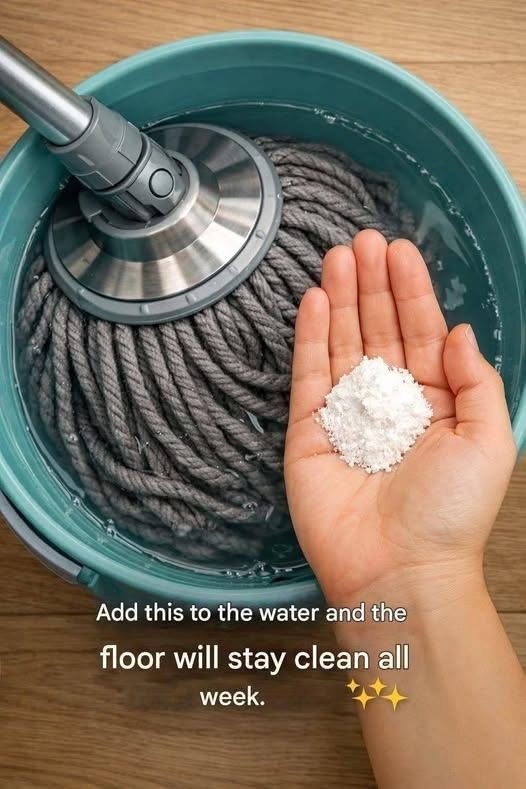
Maintaining spotless, streak-free floors can feel like an endless chore. Commercial floor cleaners often contain heavy fragrances and synthetic surfactants that leave behind a sticky micro-film, attracting dust and dirt faster over time.
By utilizing simple, natural household ingredients like baking soda (sodium bicarbonate) or coarse salt mixed into warm mop water, you can effectively break down grease, eliminate lingering pet odors, and leave floors clean without residue buildup.
Below is a complete guide to natural floor mopping solutions, safety guidelines by floor type, and best practices for long-lasting clean floors.
Floor Mopping Ingredient Matrix
+-------------------------------------------------------------------+
|               NATURAL MOP SOLUTION MATRIX                         |
|                                                                   |
|  [ BAKING SODA ]     • Neutralizes odors & gently lifts grime     |
|  [ WHITE VINEGAR ]   • Cuts grease & leaves streak-free shine     |
|  [ DISH SOAP ]       • Adds surfactant power (use 2-3 drops max)  |
|  [ COARSE SALT ]     • Helps scrub sticky spills naturally        |
+-------------------------------------------------------------------+
Key Highlights of Natural Mop Solutions:
-
Residue-Free Cleaning: Unlike heavy commercial cleaners, natural solutions rinse away cleanly without leaving a dulling residue that traps fresh dirt.
-
Odor Neutralization: Baking soda directly neutralizes acidic floor odors, making it ideal for households with pets or busy kitchens.
-
Gentle Cleaning Power: Mild natural alkaline solutions break down everyday floor smudges and grease without harsh chemical fumes.
-
Cost-Effective Routine: Simple pantry staples provide an eco-friendly cleaning method that costs just pennies per batch.
DIY Natural Floor Cleaning Recipe
Ingredients:
-
1 gallon (4 liters) Warm Water
-
2 tablespoons Baking Soda (or 1/2 cup White Vinegar)
-
2–3 drops Mild Liquid Dish Soap (optional, for grease cutting)
-
5 drops Essential Oil (such as lemon or lavender for a fresh scent)
Step-by-Step Cleaning Process:
-
Prep the Floor: Thoroughly sweep or vacuum the area to remove loose dirt, dust, and hair before mopping.
-
Mix the Solution: Fill your mop bucket with warm water. Dissolve the baking soda completely so no grainy residue remains on the bottom.
-
Wring the Mop Well: Dip your microfiber mop head into the solution and wring it out until damp. Avoid soaking floors with excessive water.
-
Mop in S-Pattern Motion: Clean the floor using smooth “S” motions to trap dirt without redistributing it across cleaned areas.
-
Air Dry: Allow the floor to air dry naturally or wipe dry with a clean microfiber cloth for an instant shine.
Surface Compatibility Guide
-
Tile & Vinyl: Safe for all natural solutions, including baking soda and diluted vinegar mixes.
-
Laminate Flooring: Use a damp (never soaking) mop to prevent moisture from seeping into seams.
-
Hardwood Floors: Avoid harsh acid solutions; use minimal water paired with a tiny amount of pH-neutral soap or mild baking soda mixture.
Conclusion
Switching to a gentle, homemade mopping solution keeps your home fresh, eliminates sticky residues, and ensures your floors stay clean and bright all week long.
Frequently Asked Questions (FAQ)
Can I use baking soda on hardwood floors?
Yes, but only when fully dissolved in warm water and used with a damp, well-wrung microfiber mop. Avoid abrasive scrubbing with dry powder on sealed wood finishes.
Why do my floors feel sticky after mopping?
Sticky floors are usually caused by using too much commercial detergent or dish soap, which leaves behind a soap layer that attracts dust and shoe prints.
