
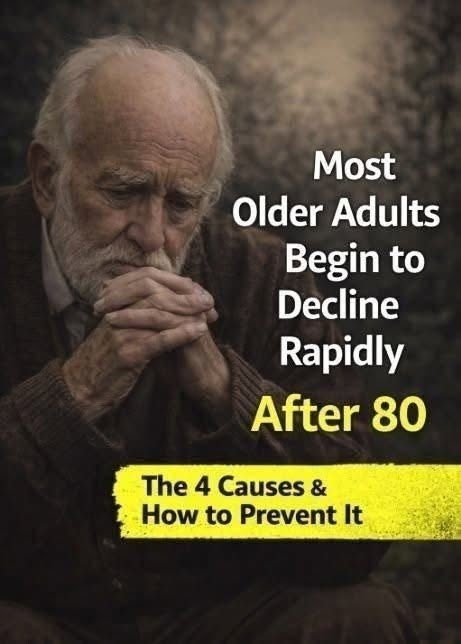
Reaching the age of 80 is a remarkable longevity milestone, but it often brings noticeable shifts in physical mobility, cognitive sharpness, and overall vitality. Geriatric health research indicates that while aging is a natural biological progression, rapid health decline in octogenarians is frequently driven by specific, addressable physical and social factors.
Understanding the root causes of age-related physical and cognitive changes allows seniors and family caregivers to implement preventive health strategies, maintaining independence and quality of life.
This comprehensive guide details the 4 primary drivers of health decline after 80, comparative risk factors, step-by-step prevention habits, and practical advice on household budgeting and senior healthcare planning.
The 4 Primary Causes of Rapid Decline After 80
+———————————————————————–+
| SENIOR HEALTH DECLINE DRIVERS |
+———————————————————————–+
| 1. SARCOPENIA & FRAILTY –> Progressive loss of skeletal muscle mass |
+———————————————————————–+
|
v
+———————————————————————–+
| 2. SOCIAL ISOLATION –> Reduced cognitive engagement & depression |
+———————————————————————–+
|
v
+———————————————————————–+
| 3. CHRONIC INFLAMMATION –> “Inflammaging” & vascular health risks |
+———————————————————————–+
|
v
+———————————————————————–+
| 4. POLYPHARMACY / ERRORS–> Adverse drug interactions & mismanaged meds|
+———————————————————————–+
1. Sarcopenia and Loss of Mobility
Sarcopenia—the age-related loss of muscle mass, strength, and function—accelerates significantly after age 80. Weakened leg and core muscles increase fall risks, reduce joint stability, and limit daily physical independence.
2. Social Isolation and Cognitive Disengagement
Retirement, loss of peers, and reduced mobility can lead to social isolation. Lack of daily mental stimulation and meaningful social interaction increases the risk of cognitive decline, depression, and functional decline.
3. Chronic Systemic Inflammation (“Inflammaging”)
Low-grade, chronic systemic inflammation naturally increases with advanced age. Known in geriatric medicine as “inflammaging,” this cellular stress contributes to cardiovascular strain, joint stiffness, and decreased metabolic resilience.
4. Polypharmacy and Medication Interactions
Seniors aged 80 and older often manage multiple chronic health conditions, requiring various prescription medications. Managing multiple drugs without regular clinical reviews increases the risk of adverse side effects, confusion, and accidental falls.
Senior Health Factor Comparison Table
+——————–+———————–+———————–+
| Health Factor | Impact on Independence| Primary Mitigation |
+——————–+———————–+———————–+
| Sarcopenia | Mobility & Fall Risk | Resistance Training |
| Social Isolation | Cognitive & Mood Drop | Community Engagement |
| Inflammaging | Vascular & Joint Stress| Nutrient-Dense Diet |
| Polypharmacy | Dizziness & Confusion | Regular Doctor Reviews|
+——————–+———————–+———————–+
Step-by-Step Instructions: How to Support Health and Vitality After 80
Follow these practical steps to promote physical strength, mental sharpness, and independence:
+———————————————————————–+
| SENIOR VITALITY CHECKLIST |
+———————————————————————–+
| Step 1: Engage in daily low-impact movement (walking, chair exercises)|
| Step 2: Prioritize adequate dietary protein & hydration intake. |
| Step 3: Maintain daily social connections & cognitive hobbies. |
| Step 4: Schedule annual medication reviews with a primary doctor. |
| Step 5: Complete home safety audits to prevent trips & falls. |
+———————————————————————–+
Maintain Consistent Light Exercise: Incorporate daily low-impact physical activity such as walking, water aerobics, or resistance band chair exercises to preserve muscle mass and support balance.
Prioritize Protein and Hydration: Ensure meals include adequate lean protein (poultry, eggs, fish, legumes) to support muscle retention, alongside sufficient daily water intake to prevent fatigue and confusion.
Foster Daily Social Interaction: Stay connected with family, join local community groups, or participate in visual/cognitive games and reading to keep the mind active and engaged.
Conduct Regular Medication Audits: Schedule annual medication reviews with a primary physician or geriatric specialist to streamline prescriptions and minimize side effects.
Optimize Home Fall Prevention: Remove household trip hazards, install grab bars in bathrooms, and ensure adequate lighting along hallways and staircases to maintain a safe living space.
Home Management, Household Budgeting, and Financial Health
Proactive senior health management aligns with sound financial planning and long-term asset protection for families.
Smart Home Budgeting & Healthcare Savings
Investing early in preventive health measures—such as home safety modifications, proper nutrition, and routine wellness visits—prevents costly emergency room visits, hospital stays, or unexpected long-term care expenses. Managing healthcare costs intentionally enables seniors and families to preserve retirement savings, manage fixed budgets effectively, and maintain long-term financial security.
Comprehensive Care, Insurance Protection, and Peace of Mind
Utilizing Medicare or private health insurance coverage for preventive screenings, physical therapy, and annual wellness exams safeguards physical health while protecting household assets. Combining healthy daily lifestyle choices with active healthcare management ensures stability, comfort, and peace of mind.
Frequently Asked Questions (FAQ)
Can muscle mass be rebuilt after age 80?
Yes! Studies show that older adults can rebuild muscle strength and improve mobility at any age through gentle, consistent resistance training and adequate dietary protein.
What are the early signs of functional decline in seniors?
Common early signs include unsteadiness when standing, difficulty opening containers, unexpected weight loss, memory lapses, and withdrawal from social activities.
Conclusion
Rapid health decline after age 80 is not an inevitable outcome of aging. By staying physically active, maintaining strong social connections, managing medications, and prioritizing proper nutrition, seniors can enjoy independence and vital health for years to come.
