
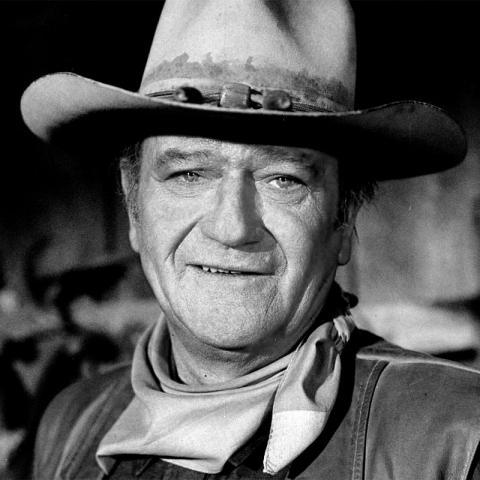
For generations of movie fans, John Wayne represented the spirit of the American Western. With his unmistakable voice, commanding screen presence, and memorable performances, he became one of the most recognizable actors in Hollywood history. From classic cowboy movies to powerful war dramas, Wayne built a career that lasted for decades and helped shape the image of the American hero on screen.
But behind the famous cowboy persona was a man whose life included professional challenges, personal experiences, family responsibilities, and a complicated relationship with fame. His story remains an important chapter in the history of American cinema.
Who Was John Wayne?
John Wayne was born Marion Robert Morrison on May 26, 1907, in Winterset, Iowa. He later became known professionally as John Wayne, a name that would eventually become synonymous with Western films.
During his youth, Wayne moved with his family to California. He attended the University of Southern California, where he played football before circumstances led him toward work in the film industry.
His early Hollywood experience included behind-the-scenes jobs and small acting roles. These opportunities helped him learn about filmmaking and eventually opened the door to a leading role that would change his career.
The Film That Helped Launch His Career
Wayne’s breakthrough came with the 1939 Western Stagecoach, directed by John Ford. His performance introduced audiences to a distinctive screen personality and helped establish him as a leading actor in the Western genre.
The film became a major milestone in his career and began a long professional relationship with Ford, one of Hollywood’s most influential directors.
During the following decades, Wayne appeared in numerous Westerns and adventure films, developing a reputation for portraying determined, independent characters who faced difficult situations with courage.
John Wayne’s Most Memorable Movies
Wayne starred in many films that remain important to classic Hollywood cinema.
The Searchers (1956)
Directed by John Ford, The Searchers is widely regarded as one of Wayne’s most significant performances. The film explores themes of family, prejudice, obsession, and the difficult consequences of revenge.
Rio Bravo (1959)
In this popular Western directed by Howard Hawks, Wayne played Sheriff John T. Chance, who must defend his town with help from a small group of allies. The film became a favorite among Western enthusiasts.
The Man Who Shot Liberty Valance (1962)
This acclaimed Western examines the relationship between truth, legend, and the stories societies tell about their heroes. Wayne starred alongside James Stewart and Vera Miles.
True Grit (1969)
Wayne won the Academy Award for Best Actor for his portrayal of Rooster Cogburn, a tough U.S. marshal who helps a young girl seek justice. The performance introduced audiences to another memorable side of his acting career.
A Career Beyond Westerns
Although Wayne is most closely associated with cowboy movies, his filmography also included war films, historical dramas, and other adventure stories.
Movies such as The Longest Day (1962) and The Green Berets (1968) demonstrated his interest in military-themed productions. His roles often reflected the themes of duty, loyalty, leadership, and sacrifice that became central to his screen image.
His long career also made him a recognizable public figure whose opinions and political views attracted attention beyond the entertainment industry.
John Wayne’s Personal Life and Family
Wayne’s personal life was often discussed alongside his professional achievements. He married three times and had seven children.
Despite his demanding filming schedule, his family remained an important part of his life. His children later pursued a variety of careers, and some became involved in the entertainment industry.
Like many public figures, Wayne experienced personal challenges while maintaining a highly visible professional identity. His family history continues to interest fans who want to learn more about the man behind the famous movie roles.
John Wayne’s Health and Final Years
In the later years of his life, Wayne faced serious health problems. He underwent surgery for lung cancer in 1964 and continued working in films afterward.
His health became a subject of public interest, particularly because he had spent so many years portraying strong, resilient characters on screen.
Wayne died on June 11, 1979, at the age of 72, in Los Angeles, California. His death marked the end of an era for many fans of classic Western films.
Why John Wayne Remains a Hollywood Icon
John Wayne’s influence on cinema extends far beyond the number of films he made. His screen presence helped define the traditional Hollywood Western, while his collaborations with directors such as John Ford and Howard Hawks produced several enduring classics.
His legacy is also debated. Some audiences celebrate his performances and cultural influence, while others critically examine aspects of his public statements and the social attitudes reflected in some of his films.
Considering both his achievements and the controversies surrounding his legacy provides a fuller understanding of his place in American cultural history.
The Lasting Legacy of John Wayne
More than four decades after his death, John Wayne remains a familiar name to movie lovers around the world. His performances continue to appear in classic-film broadcasts, retrospectives, and discussions about the evolution of Hollywood.
For longtime fans, he represents a memorable period in American filmmaking. For newer audiences, his movies offer an opportunity to explore the storytelling traditions that helped shape the Western genre.
John Wayne’s life was more complex than the characters he portrayed, but his contribution to cinema is undeniable. His films remain an enduring part of Hollywood history, ensuring that his name continues to attract interest from generation to generation.
