
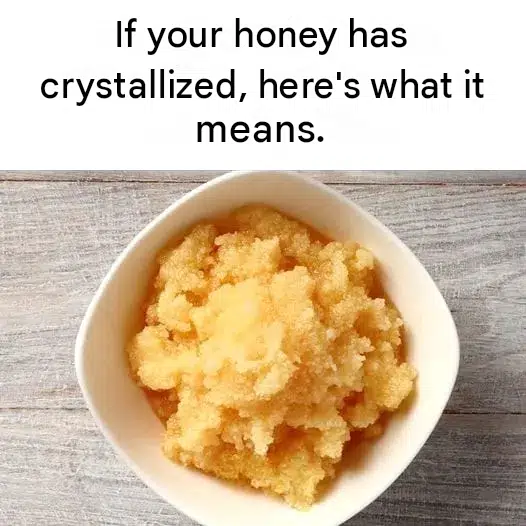
Honey is one of nature’s most remarkable and enduring foods. Throughout history, jars of honey discovered in ancient Egyptian tombs have remained edible after thousands of years, thanks to its unique chemical composition and low moisture content. However, many modern consumers open their pantry to find that a smooth, liquid jar of honey has transformed into a thick, grainy, semi-solid state.
When honey crystallizes, many people mistakenly believe that the product has gone bad, spoiled, or been adulterated with artificial corn syrup or added sugars. In reality, crystal formation is a completely natural process that proves your honey is pure and authentic.
In this comprehensive guide, we will explore the science behind honey crystallization, explain why raw honey solidifies, review practical ways to liquefy crystallized honey safely, and discuss how smart household budgeting, food storage, and financial planning help reduce household waste.
The Science Behind Honey Crystallization
To understand why honey hardens into crystals, we must examine its natural chemical makeup. Honey is a highly concentrated, supersaturated solution containing two main types of natural sugars dissolved in water: fructose (fruit sugar) and glucose (grape sugar).
The Role of Glucose and Fructose
High Glucose Content: Glucose is less soluble in water than fructose. When the ratio of glucose to water is high, glucose tends to spontaneously separate from the liquid solution and form tiny solid crystals.
Fructose Content: Fructose remains dissolved in the liquid phase much more readily. As glucose crystals form and settle, they create a solid matrix that traps the remaining liquid fructose, resulting in a thick, spreadable, or semi-solid texture.
Factors That Trigger Crystallization
Several natural factors influence how quickly honey crystallizes:
Pollen and Particles: Tiny suspended particles of pollen, beeswax, or propolis naturally present in raw honey act as “seeds” or nucleation points around which glucose crystals can grow.
Storage Temperature: Honey crystallizes most rapidly when stored at cool temperatures between 50°F and 57°F (10°C to 14°C). Storing honey in a refrigerator accelerates crystallization.
What Crystallization Tells You About Your Honey
Far from indicating spoilage, crystallization is a positive indicator of honey quality.
1. Proof of Purity
Pure, raw, unpasteurized honey contains natural pollen grains and active enzymes that encourage crystallization. Highly processed commercial honey that has been ultra-filtered and heated to high temperatures remains liquid much longer because pollen and crystal “seeds” have been filtered out or dissolved. Therefore, a crystallized jar of honey is often a hallmark of high-quality, unprocessed sweetness.
2. Preserved Nutritional Value
Crystallized honey retains all of its natural antioxidants, enzymes, and nutritional properties. The change is purely physical, altering texture rather than chemical composition or safety.
Practical Ways to Liquefy Crystallized Honey
If you prefer your honey in a smooth, pourable liquid state, you can easily reverse crystallization at home without damaging its quality.
The Warm Water Bath Method
Place your crystallized glass jar of honey into a larger bowl or saucepan filled with warm tap water.
Gradually heat the water bath on your stove over low heat, ensuring the water temperature does not exceed 100°F to 110°F (37°C to 43°C).
Stir the honey gently as it warms until the sugar crystals completely dissolve back into a smooth liquid.
Important Caution: Never microwave honey on high heat or expose it to boiling water. Excessive heat destroys delicate natural enzymes, degrades beneficial antioxidants, and can crack glass jars.
Household Budgeting and Food Waste Management
Managing food storage and pantry items effectively plays an important role in household financial health and waste reduction.
Saving Money Through Proper Storage
Throwing away perfectly good food—such as mistaking safe, crystallized honey for spoiled product—wastes household grocery budgets. By understanding proper food shelf-life and storage techniques, you protect your hard-earned income and minimize unnecessary grocery purchases.
Integrating sound business and home management habits ensures that pantry staples are fully utilized, supporting sustainable living and smart financial stewardship.
Fascinating Facts About Honey and Beekeeping
Natural Preservative: Because honey has an extremely low water content and high acidity, bacteria and microorganisms cannot survive in it, preventing it from spoiling indefinitely.
Flower Source Matters: Honeys with a higher glucose-to-water ratio (such as clover or dandelion honey) crystallize much faster than honeys with higher fructose levels (such as acacia or tupelo honey).
The Work of Bees: To produce just one pound of honey, a colony of honeybees must visit approximately two million flowers and fly a cumulative distance equivalent to circling the globe.
Conclusion
If your honey has crystallized in the pantry, there is no need to throw it away. Crystallization is a natural, chemical process driven by glucose and water balance that actually serves as a guarantee that your honey is pure, raw, and authentic.
By understanding how to gently warm crystallized honey back into liquid form and practicing smart food storage habits, you can enjoy this liquid gold while minimizing household waste and protecting your grocery budget.
Frequently Asked Questions (FAQ)
1. Is crystallized honey safe to eat?
Yes, absolutely. Crystallized honey is completely safe, edible, and retains all of its natural flavor, nutrients, and antimicrobial properties.
2. Can I prevent honey from crystallizing?
You can slow down crystallization by storing your honey at room temperature in a tightly sealed container away from cool pantry corners. Avoid storing honey in the refrigerator, as cold temperatures speed up crystal formation.
3. Does commercial honey crystallize?
Commercial, ultra-filtered honey is heated and processed to remove all pollen particles, which delays crystallization for a very long time. However, even processed honey can eventually crystallize if stored long enough.
4. Can I use crystallized honey directly as a spread?
Yes! Many people enjoy crystallized honey as a delicious, thick spread for toast, biscuits, or oatmeal because it does not drip like liquid honey.
5. Why does raw honey crystallize faster than processed honey?
Raw honey contains natural microscopic particles of beeswax and pollen that act as starter nuclei, allowing glucose crystals to form and multiply much more quickly.
