
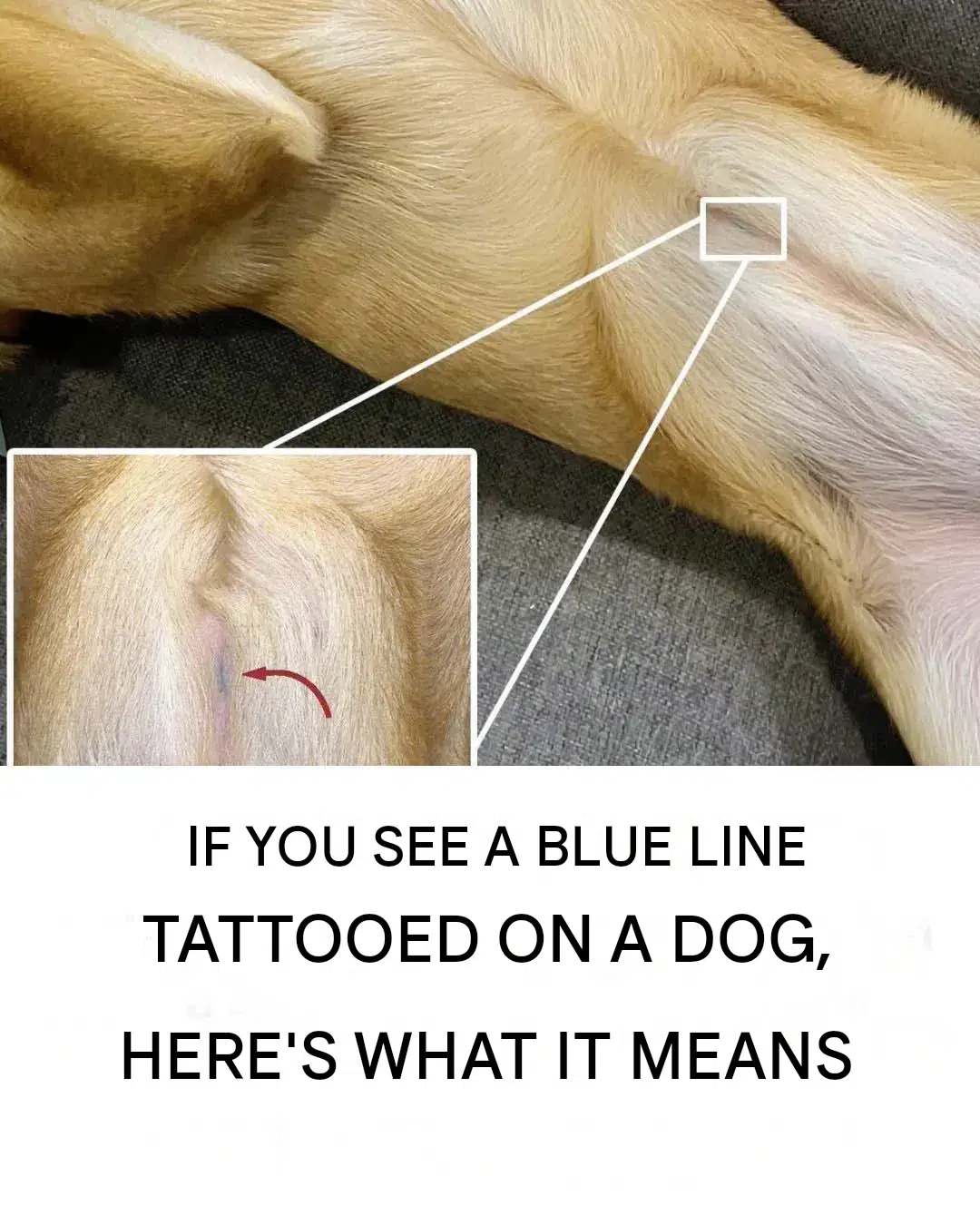
When adopting a puppy from a rescue organization, shelter, or humane society, new pet owners often notice various identification marks, microchips, ear tattoos, or vaccination records. However, one specific marking that frequently catches owners by surprise is a small, subtle blue or green line tattooed directly onto the dog’s belly or lower abdomen.
To anyone unfamiliar with veterinary surgical practices, seeing a tattoo on an animal can raise questions or concern. Far from being cosmetic or decorative, this tiny mark carries a crucial medical meaning that protects the animal’s health and provides instant information to veterinarians, shelter workers, and pet owners. In this comprehensive article, we explore the veterinary reasons behind sterilization tattoos, pet health care considerations, and essential tips for responsible pet ownership.
The Veterinary Meaning Behind the Blue Line Tattoo
The small blue or green line tattooed on a dog’s belly serves a single, highly important medical purpose: it indicates that the dog has been spayed or neutered.
Why Veterinarians Tattoo Sterilized Pets
During routine spay (ovariohysterectomy) or neuter surgeries, veterinary surgeons often place a tiny line of sterile green or blue surgical tattoo ink near the incision site once the procedure is complete. This practice provides several distinct benefits:
Preventing Unnecessary Exploratory Surgery: If a stray, rescue, or shelter dog is found wandering without records, veterinarians or animal control officers can easily identify that the animal has already been sterilized just by checking the abdomen. This prevents the dog from undergoing a secondary, unnecessary exploratory surgery or anesthesia to check for reproductive organs.
Clear Visual Indicator in Shelters: In high-capacity animal shelters, quick visual confirmation helps staff process intakes efficiently, ensuring sterilized animals are routed directly to adoption floors rather than surgical waiting lists.
Permanent Identification: Unlike paper adoption certificates or microchips that require specialized scanning equipment to read, a surgical belly tattoo provides a permanent, visible lifetime guarantee of sterilization.
Financial, Legal, and Pet Healthcare Considerations
Responsible pet ownership involves navigating veterinary regulations, insurance policies, and medical documentation.
1. Pet Health Insurance and Wellness Plans
Spay/Neuter Discounts: Many pet insurance providers and local municipalities offer discounted licensing fees or lower insurance premiums for sterilized pets, as spaying and neutering reduces the risk of certain reproductive cancers and hormone-driven behaviors.
Veterinary Record Keeping: Always request formal written surgical discharge paperwork from your veterinarian detailing any tattoos, microchip numbers, or vaccination histories for your insurance and licensing files.
2. Legal Regulations and Animal Welfare
Many animal shelters and rescue groups are legally mandated by municipal ordinances to sterilize all adopted pets before they leave the facility. The surgical tattoo serves as a verifiable compliance mark ensuring that shelter protocols have been successfully met.
Essential Care and Health Tips for Dogs
To ensure your dog lives a long, healthy, and happy life, keep these core veterinary care practices in mind:
Schedule Regular Check-Ups: Take your dog for annual wellness exams to monitor weight, dental health, joint mobility, and overall internal health.
Keep Vaccinations Up to Date: Maintain a strict schedule for rabies, parvovirus, distemper, and parasite preventative medications.
Monitor Surgical Sites: If your dog recently underwent a spay or neuter procedure, monitor the incision and tattoo area closely, ensuring the pet wears an Elizabethan collar (cone) to prevent licking while healing.
Fascinating Facts About Veterinary Identification
Not Just for Dogs: Surgical sterilization tattoos are also commonly used on cats, rabbits, and other shelter animals to identify altered status quickly.
Surgical Ink Safety: Veterinarians use specialized, non-toxic, biocompatible surgical tattoo inks designed specifically to heal safely within animal dermal tissue without causing allergic reactions.
Microchip Integration: While tattoos provide instant visual identification, pairing a belly tattoo with a registered microchip offers the ultimate safety net if your pet ever gets lost.
Conclusion
Seeing a small blue or green line tattooed on a dog’s abdomen can be puzzling at first, but it is actually a standard, painless veterinary practice that signifies the animal has been spayed or neutered. By preventing unnecessary exploratory surgeries and providing a permanent visual record, this simple mark plays an important role in veterinary care and animal welfare.
Frequently Asked Questions (FAQ)
Does getting the tattoo hurt the dog?
No. The tiny tattoo is applied by the veterinarian using a sterile needle while the dog is already fully under general anesthesia during their spay or neuter surgery, ensuring they feel no pain or discomfort.
Do all sterilized dogs have a blue line tattoo?
Not necessarily. While common in many animal shelters and veterinary clinics, it is not a mandatory universal standard. Some vets use green ink, some use a simple dot instead of a line, and others rely solely on microchips and medical records.
Can the tattoo fade over time?
Because the tattoo is applied superficially on the skin under the fur, it may become slightly lighter as a puppy grows into an adult dog, but it is generally designed to remain visible as a permanent marker.
Is the tattoo ink safe for animals?
Yes. Veterinarians use specialized, sterile, non-toxic medical-grade tattoo ink that is completely safe and formulated specifically to prevent adverse skin reactions.
