
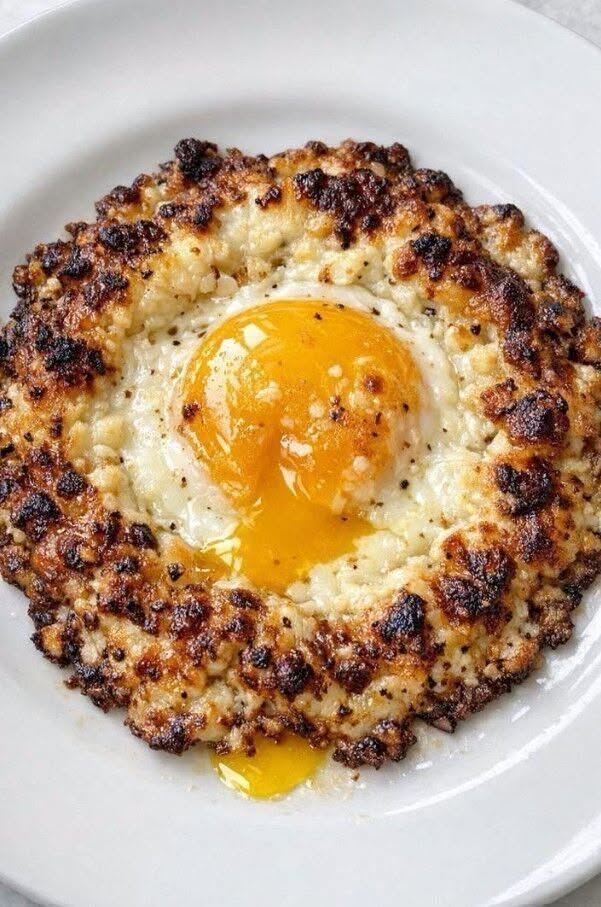
Breakfast is often celebrated as the most important meal of the day, yet weekday morning routines frequently lead us to repeat the exact same standard meals. Whether you rely on basic scrambled eggs, plain toast, or quick cereal, shaking up your morning routine with an innovative culinary technique can transform an ordinary breakfast into an extraordinary gourmet experience. Viral food trends and chef-inspired breakfast hacks constantly showcase creative ways to elevate simple ingredients using texture, visual appeal, and bold flavors.
One of the most exciting recent trends in breakfast cookery is the crispy cheese-crusted fried egg—featuring a golden, perfectly melted cheese frico ring surrounding a rich, runny egg yolk. Combining savory, toasted cheese with a tender, sunny-side-up egg creates an incredible textural contrast that satisfies both low-carb enthusiasts and gourmet food lovers alike. Let us explore the step-by-step process for making this viral dish, the culinary science behind cheese crusts, and how to master it in your own kitchen.
The Culinary Science of Cheese Fricos and Textural Contrast
To understand why a cheese-crusted egg tastes and looks so remarkable, it helps to examine the culinary science of melting and frying cheese.
1. The Chemistry of the Frico
When grated cheese is placed directly onto a hot, dry skillet or a buttered pan, the moisture within the cheese rapidly evaporates. As the water cooks away, the milk proteins and fats begin to brown through the Maillard reaction, fusing together into a crisp, lace-like wafer known in culinary terms as a frico.
2. Balancing Textures and Flavors
The contrast between a shattering, ultra-crispy cheese crust and a rich, velvety liquid egg yolk provides a multi-sensory dining experience. The saltiness and nutty depth of aged cheeses complement the mild, buttery richness of the egg, creating a harmonious flavor profile that requires very little extra seasoning.
Step-By-Step Guide to Making a Crispy Cheese-Crusted Egg
Preparing this stunning breakfast dish requires just a few basic ingredients and precise heat control.
Ingredients Needed:
-
1 large fresh egg
-
1/2 cup finely shredded cheese (such as sharp cheddar, Parmesan, Gruyère, or Monterey Jack)
-
1/2 teaspoon butter or olive oil for the pan
-
Salt and freshly ground black pepper to taste
-
A pinch of garlic powder or red pepper flakes (optional)
Preparation Method:
-
Heat the Skillet: Place a non-stick skillet over medium-low heat and add a tiny touch of butter or oil to lightly coat the surface.
-
Form the Cheese Circle: Sprinkle your shredded cheese into a neat, even circular mound in the center of the pan, leaving a slight indentation in the middle. Allow it to cook undisturbed for 1 to 2 minutes until the edges begin to melt and bubble.
-
Add the Egg: Gently crack the fresh egg directly into the center hollow of the melting cheese circle. Season the egg with salt and freshly ground black pepper.
-
Cover and Steam: Cover the skillet with a lid for 2 to 3 minutes. The trapped steam will gently cook the egg whites while the outer cheese ring continues to fry into a crisp, golden-brown crust.
-
Serve and Enjoy: Carefully slide the finished cheese-crusted egg onto a warm plate, allowing the rich yolk to run freely into the crispy cheese base.
Financial Efficiency and Smart Morning Meal Planning
Cooking gourmet breakfasts at home is not only a fantastic way to treat yourself and your family, but it also supports smart household financial management.
Smart Shopping and Grocery Savings
Preparing creative meals using versatile staples—such as eggs, cheese, and basic pantry spices—eliminates the need for expensive weekend brunch outings. Managing your grocery budget effectively supports personal finance goals, helping you enjoy restaurant-quality dining at a fraction of the cost.
Culinary Skills as a Valuable Investment
Mastering unique cooking techniques is a rewarding personal investment in your daily culinary confidence. For food bloggers, recipe developers, and digital publishers, sharing visually striking recipes online can drive significant website traffic, boost reader engagement, and increase ad revenue. When managing a digital food platform, ensuring compliance with copyright laws and food safety regulations with the guidance of a qualified attorney or legal services provider is essential.
Practical Tips for Success
To ensure your cheese-crusted egg turns out perfectly crisp without burning, keep these expert tips in mind:
-
Choose the Right Cheese: Hard and semi-hard cheeses (like Parmesan, sharp cheddar, or Swiss) form a much better crisp frico crust than high-moisture cheeses like fresh mozzarella.
-
Control Your Heat: Keep the burner on medium-low heat. If the pan is too hot, the cheese will burn before the egg white has time to cook through.
-
Use a Non-Stick Pan: A reliable non-stick skillet ensures your delicate cheese crust slides out effortlessly without breaking apart.
Fascinating Facts About Eggs and Cheese
-
Ancient Culinary Staples: Both cheese making and egg consumption date back thousands of years, forming the foundation of dairy and poultry traditions across ancient civilizations.
-
The Anatomy of an Egg Yolk: The bright golden yolk is packed with essential vitamins, healthy fats, and lecithin, which acts as a natural culinary emulsifier.
-
Global Breakfast Traditions: Variations of fried eggs paired with cheese or cured meats appear in breakfast cuisines across almost every culture worldwide.
-
The Maillard Reaction: This complex chemical reaction between amino acids and reducing sugars gives browned foods—like a crispy cheese crust—their irresistible savory flavor.
Conclusion
The crispy cheese-crusted fried egg proves that simple breakfast ingredients can be transformed into an absolute masterpiece with just a little culinary creativity. By combining a golden, lace-like cheese frico with a rich, runny egg yolk, you get a breakfast that looks stunning and tastes incredible. Try making one for your next morning routine and elevate your breakfast game!
Frequently Asked Questions (FAQ)
What type of cheese works best for a cheese-crusted egg?
Aged or semi-hard cheeses like sharp cheddar, Parmesan, Gruyère, or Monterey Jack work best because they melt smoothly and crisp up into a solid frico crust.
Do I need to flip the egg during cooking?
No, you do not need to flip it. Covering the skillet with a lid allows ambient steam to cook the egg white while the bottom cheese layer fries to a crisp.
Can I make this recipe low-carb or keto-friendly?
Yes! This recipe is naturally zero-carb and keto-friendly, as it replaces traditional bread toast with a crisp, savory cheese crust.
How do I prevent the cheese from sticking to the pan?
Using a high-quality non-stick skillet and ensuring the pan is lightly greased with a touch of butter or oil will prevent the cheese from sticking.
