
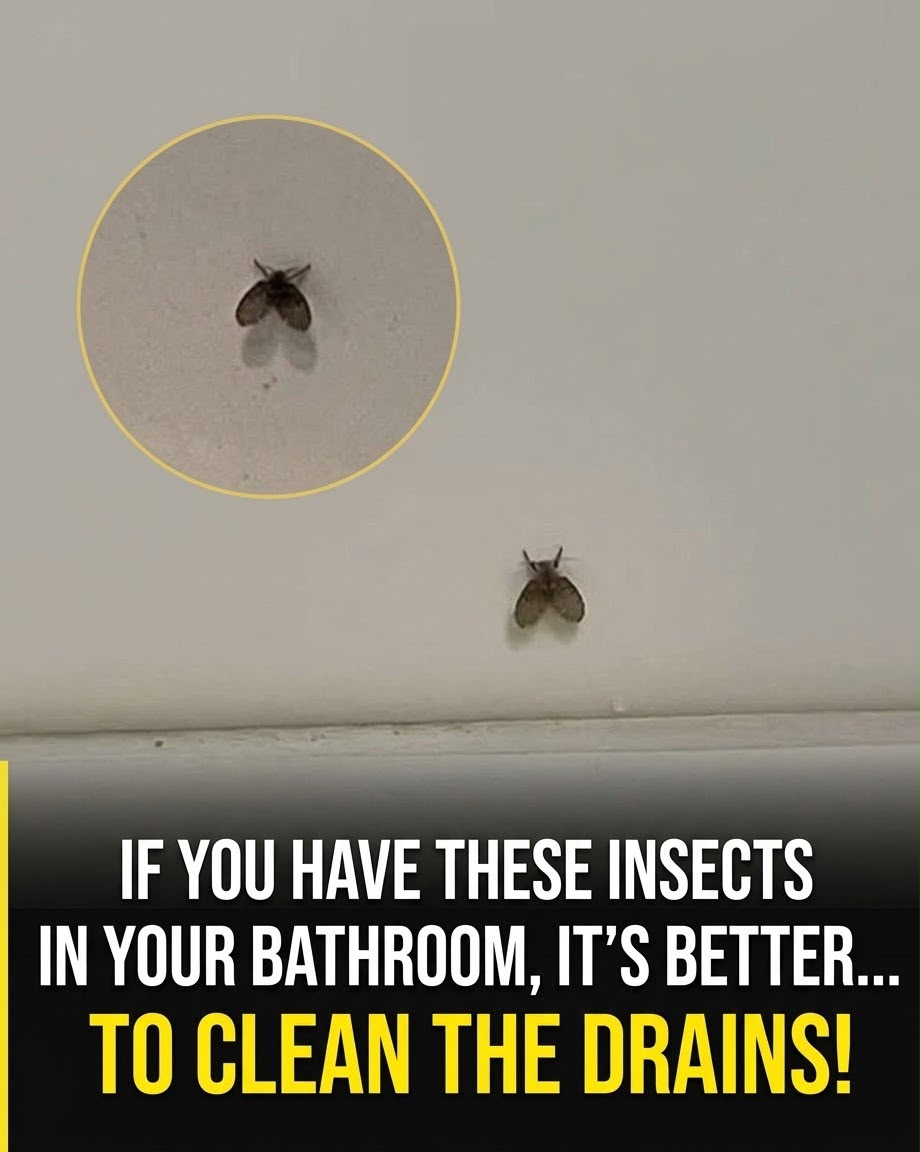
Have you ever walked into your bathroom or kitchen and noticed tiny, moth-like insects resting on your tiles, mirrors, or sink edges? These small, fuzzy pests are commonly known as drain flies (Psychodidae), though they also go by names like moth flies, filter flies, or sewer gnats. While they are weak fliers that do not bite or sting humans, their persistent presence in damp household areas can quickly become a major frustration for homeowners.
Unlike standard fruit flies or fungus gnats, drain flies originate from deep within plumbing lines, garbage disposals, and standing water traps. Swatting them individually off the wall will never resolve the problem because the root cause lies hidden beneath your drain covers. To eliminate these pests permanently, you must target the organic sludge buildup where they breed and lay their eggs.
In this comprehensive guide, we will break down the life cycle of drain flies, provide simple step-by-step methods to eradicate them using household items, explore preventive maintenance routines, and examine how proper home maintenance protects your health and property value.
What Are Drain Flies? Identification and Life Cycle
Understanding the biology and behavior of drain flies is the first step toward effective household pest control.
Key Characteristics
Appearance: Tiny insects measuring roughly 1.5 to 5 millimeters in length, covered in fine grayish or brownish hairs that give them a distinct moth-like appearance.
Wings: Broad, heart-shaped wings held flat over their bodies when resting.
Behavior: Extremely weak fliers that travel in short, erratic hops rather than long continuous flights. They are most active during evenings and nights.
The Breeding Ground
Drain flies lay their eggs inside the dark, gelatinous film of organic debris, soap scum, hair, and grease that accumulates inside plumbing P-traps, floor drains, and sewer pipes. A single female drain fly can lay up to 300 eggs at a time inside this organic coating. Within 48 hours, larvae hatch and feed on the decomposing matter before emerging as adult flies in roughly one to two weeks.
Testing for Drain Flies: The Simple Tape Method
Before treating your plumbing, you should confirm which specific drain is serving as the primary breeding site.
How to Perform the Test:
Thoroughly dry the metal drain rim and surrounding sink or floor area before going to bed.
Place a strip of clear packaging tape or duct tape flat over the drain opening, sticky-side down, leaving small gaps around the edges for air flow.
Leave the tape undisturbed overnight.
Check the tape the following morning. If adult drain flies attempted to exit the pipe during the night, they will be stuck to the adhesive surface, pin-pointing the exact pipe that requires deep cleaning.
Step-by-Step Guide: How to Eliminate Drain Flies Permanently
Eradicating drain flies requires removing the gelatinous organic sludge lining the inner walls of your pipes. Simply pouring bleach down the drain is rarely effective because bleach runs quickly down the center of the pipe without penetrating thick organic buildup.
Method 1: The Baking Soda, Vinegar, and Boiling Water Flush
This eco-friendly, chemical-free home method dissolves organic film while sanitizing the line.
Ingredients Needed:
1/2 cup baking soda
1 cup white distilled vinegar
1 gallon boiling water
Instructions:
Pour 1/2 cup of baking soda directly down the affected drain line.
Follow immediately with 1 cup of white distilled vinegar. The mixture will foam vigorously as the chemical reaction breaks down grease and soap scum.
Allow the foam to sit and penetrate inside the drain line for 1 to 2 hours (or overnight).
Flush the pipe thoroughly by pouring a kettle or pot of boiling water directly down the drain.
Method 2: Mechanical Pipe Scrubbing
For stubborn infestations, physical removal of organic sludge yields the fastest results.
Remove the metal drain stopper, strainer, or cover plate.
Use a long, flexible wire pipe brush or drain snake to scrub the inner walls of the pipe, dislodging hair and gelatinous debris.
Flush the dislodged matter with hot running water for 3 to 5 minutes.
Method 3: Bio-Enzymatic Drain Cleaners
Commercial enzymatic drain cleaners contain natural bacteria that consume organic waste, grease, and hair without damaging PVC or metal pipes. Applying a liquid enzymatic cleaner nightly for 3 to 5 consecutive days thoroughly clears the breeding environment.
Comparing Common Household Flies
It is essential to distinguish drain flies from other common domestic pests so that you apply the correct treatment strategy.
Pest Type Primary Attraction Common Location Effective Solution
Drain Flies Organic sludge & damp film in pipes Bathroom sinks, showers, floor drains Pipe scrubbing, baking soda & vinegar flush
Fruit Flies Overripe fruit, fermenting sugars, wine Kitchen counters, recycling bins Vinegar traps, fruit removal
Fungus Gnats Moist potting soil, decaying plant matter Houseplants, potted garden soil Soil drying, yellow sticky traps
Phorid Flies Decaying organic matter, sewage leaks Basements, broken pipe areas Repairing plumbing leaks
Home Maintenance, Property Value, and Insurance Considerations
Addressing plumbing issues like drain fly infestations is part of maintaining a healthy household environment and protecting your long-term real estate assets.
Preventing Structural Damage and Mold Growth
Drain flies are frequently an early warning indicator of standing water, slow drainage, or hidden plumbing leaks behind walls or beneath flooring. Unresolved moisture issues can lead to structural wood rot and toxic mold growth, both of which require costly remediation. Addressing slow drains promptly protects your home’s structural integrity.
Protecting Property Insurance Coverage
Maintaining your home’s plumbing infrastructure supports long-term property upkeep. While standard homeowners insurance policies cover sudden and accidental pipe bursts, they generally exclude damage caused by gradual wear and tear or neglected maintenance. Keeping drain lines clean and dry preserves your home’s condition, supporting your personal finance stability and real estate investment value.
Furthermore, ensuring a clean, hygienic living environment protects family health, reducing exposure to airborne mold spores or bacteria associated with stagnant moisture.
Fascinating Facts About Drain Flies
Waterproof Bodies: Drain flies possess tiny hydrophobic (water-repellent) hairs covering their bodies and wings, allowing them to survive immersion in water and emerge completely dry.
Ancient Family: Fossil records indicate that members of the Psychodidae insect family have existed on Earth for over 120 million years, dating back to the Cretaceous period.
Natural Recyclers: In nature, drain fly larvae play a beneficial ecological role as decomposers, breaking down organic matter in swamps, stream banks, and damp forest floors.
Rapid Lifecycle: Under optimal temperature conditions inside heated indoor plumbing, a drain fly can progress from egg to breeding adult in under two weeks.
Conclusion: Restoring Hygiene to Your Home
Discovering drain flies in your bathroom or kitchen can be unsettling, but they are easily controlled once you target their underlying breeding sites. By identifying the affected drains, removing organic sludge with baking soda, vinegar, or enzymatic cleaners, and maintaining clear pipe lines, you can eliminate these pests and keep your living space clean and comfortable.
Proactive home maintenance not only keeps unwanted insects away but also protects your plumbing infrastructure, safeguards your indoor air quality, and ensures peace of mind for your household.
Frequently Asked Questions
Can drain flies bite or transmit diseases to humans?
No. Drain flies do not possess biting mouthparts and do not bite humans or pets. While they do not transmit bloodborne pathogens, their presence in large numbers can potentially trigger mild asthma symptoms or allergies in sensitive individuals due to airborne hairs.
Why didn’t pouring bleach down the drain kill the flies?
Bleach is a liquid that flows quickly down the center of the drain pipe without clinging to or dissolving the thick, gelatinous sludge coating the inner pipe walls. The larvae living inside this protective organic layer survive bleach treatments intact. Mechanical scrubbing or enzymatic cleaners are far more effective.
How long does it take to completely get rid of drain flies?
Once you thoroughly clean and flush the breeding pipe, adult drain flies will disappear within 3 to 7 days as the remaining adult population completes its short lifespan without finding a place to lay new eggs.
Can drain flies breed in places other than sinks?
Yes. Drain flies can breed in any damp area where organic matter accumulates, including shower drains, sump pumps, sewage ejector pits, refrigerator drip pans, air conditioning condensate lines, and outdoor bird baths or clogged gutters.
How do I prevent drain flies from coming back?
To prevent future infestations, clean your drain covers regularly, flush unused guest room sinks weekly with hot water, avoid pouring kitchen grease down the sink, and use a bio-enzymatic drain maintenance cleaner once a month.
