
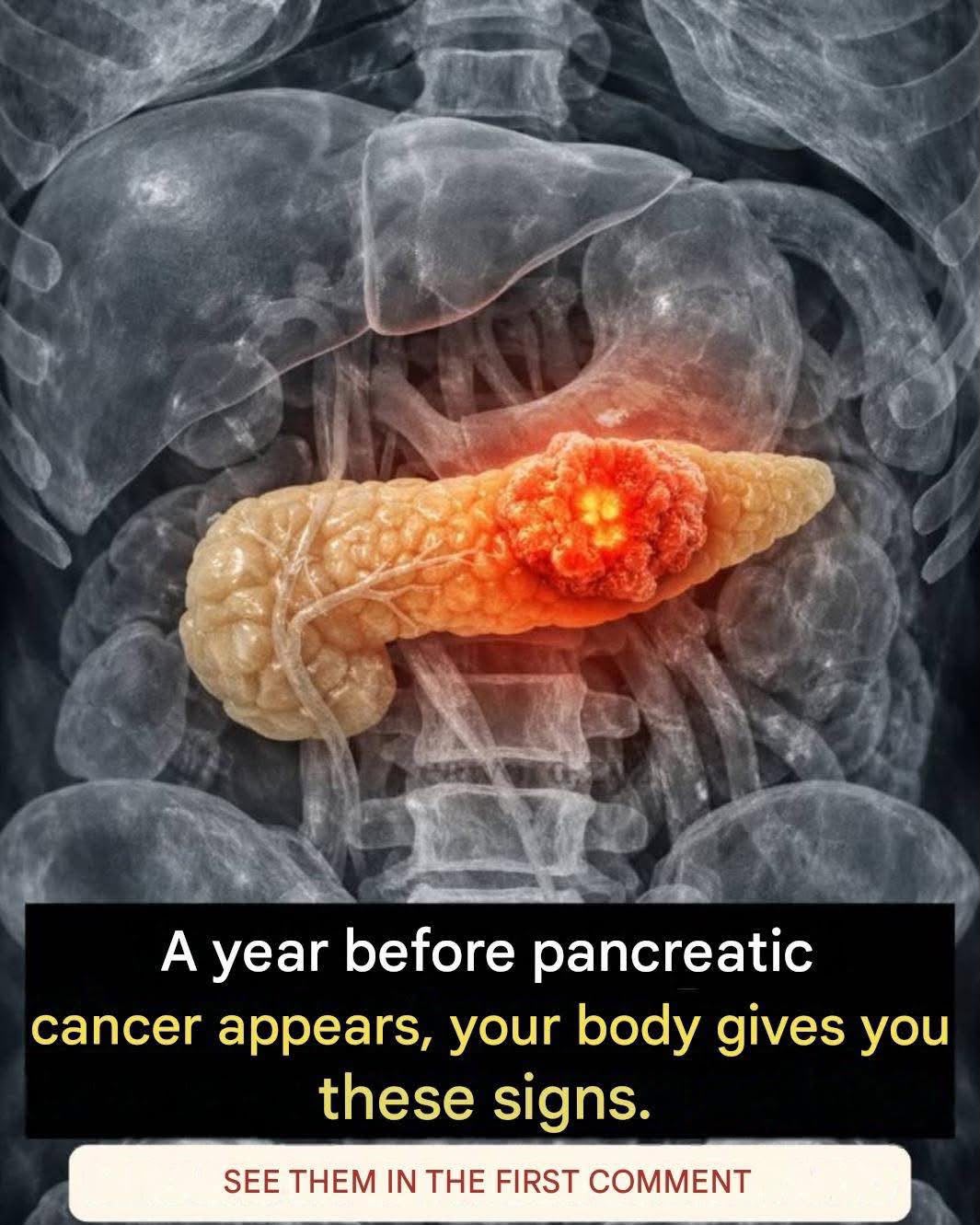
Pancreatic cancer is often referred to by medical professionals as a “silent” illness because its early stages rarely present dramatic or obvious symptoms. Situated deep within the abdomen, the pancreas plays a critical role in digestion and regulating blood sugar levels. Because early indicators can be subtle or easily mistaken for common digestive issues, understanding potential warning signs is vital for early detection and timely medical intervention.
Recognizing early bodily changes, understanding risk factors, and practicing proactive healthcare management can significantly improve treatment outcomes. Furthermore, navigating complex medical diagnoses highlights the importance of comprehensive health insurance, accessible specialized oncology care, and life insurance protections for families.
Why Early Detection of Pancreatic Cancer Is Challenging
The pancreas is located behind the stomach, near major blood vessels and digestive organs. Tumor growth in this region often remains unnoticed until the mass grows large enough to press on surrounding organs, bile ducts, or nerve pathways.
Early warning signs can appear gradually months or up to a year before a formal clinical diagnosis. Recognizing these subtle biological alerts allows individuals to seek early diagnostic imaging and blood tests.
7 Early Warning Signs and Body Alerts to Watch For
While these symptoms can stem from less serious conditions, experiencing several persistent changes warrants a comprehensive medical checkup.
1. Unexplained Weight Loss and Loss of Appetite
Sudden, unintentional weight loss without changes in diet or exercise routines is one of the most frequent early indicators. As the pancreas functions less efficiently, the body struggles to digest food properly, leading to reduced appetite and altered metabolic absorption.
2. Persistent Abdominal and Mid-Back Pain
A dull, persistent ache in the upper abdomen that radiates toward the middle back can occur when a developing tumor presses on the spine or neighboring internal nerves. This pain often worsens after eating or when lying down flat.
3. Jaundice (Yellowing of the Eyes and Skin)
Jaundice occurs when a tumor in the head of the pancreas blocks the common bile duct, causing bilirubin to accumulate in the bloodstream. Key physical signs include yellowing of the skin and whites of the eyes, dark tea-colored urine, and light-colored or clay-like stools.
4. Sudden Onset of Diabetes or Uncontrolled Blood Sugar
Because the pancreas produces insulin, a sudden diagnosis of type 2 diabetes late in life—or a sudden, drastic destabilization of previously well-managed blood sugar levels—can serve as an early sign of pancreatic tissue changes.
5. Digestive Issues and Changes in Stool
Decreased production of pancreatic digestive enzymes can lead to greasy, unusually bulky, pale, or floating stools (steatorrhea). Individuals may also experience persistent indigestion, chronic nausea, or unusual bloating after routine meals.
6. Deep Vein Thrombosis (Blood Clots)
Occasionally, an early indicator of pancreatic cellular changes is the formation of a blood clot in a deep vein, typically in the leg (deep vein thrombosis or DVT). Symptoms include swelling, redness, warmth, and severe pain in the affected leg.
7. Persistent Fatigue and Weakness
Unexplained, chronic exhaustion that does not improve with rest often accompanies metabolic disruption, nutritional malabsorption, and internal immune system strain.
The Role of Health Insurance, Diagnostics, and Medical Protection
Facing potential health concerns requires immediate access to specialized medical testing. Securing comprehensive healthcare coverage protects both your health and long-term household finances.
Diagnostic Testing and Specialized Consultations
When persistent symptoms occur, primary care physicians utilize advanced diagnostic tools—including abdominal ultrasound scans, CT (computed tomography) scans, MRIs, endoscopic procedures, and specialized blood marker tests (such as CA 19-9). Having robust health insurance coverage with low out-of-pocket deductibles ensures these critical diagnostic tests can be performed without unnecessary delay.
Financial Planning and Life Insurance Security
Managing serious medical conditions underscores the importance of long-term financial safeguards. Comprehensive health insurance, critical illness coverage, and updated life insurance policies provide vital financial stability, allowing patients and their families to focus entirely on treatment and recovery.
Practical Steps for Supporting Pancreatic and Digestive Health
Maintain a Balanced, Nutrient-Dense Diet: Focus on whole foods, lean proteins, vegetables, berries, and healthy fats while minimizing processed sugars and heavy fried foods.
Avoid Tobacco Products: Smoking and tobacco use are among the most significant preventable risk factors for pancreatic health issues.
Limit Alcohol Consumption: Chronic heavy alcohol use can lead to persistent pancreatic inflammation (pancreatitis), which increases long-term cellular risk.
Monitor Blood Sugar Levels Regularly: Schedule annual routine blood work to track glucose levels, HbA1c markers, and liver enzymes.
Know Your Family Medical History: Discuss family histories of pancreatic conditions, diabetes, or related cancers with your healthcare provider to determine if genetic screening is appropriate.
Crucial Facts About Pancreatic Health
Dual Function Organ: The pancreas functions as both an exocrine gland (producing enzymes that break down food) and an endocrine gland (producing hormones like insulin to regulate blood sugar).
Importance of Bile Duct Clarity: Even a tiny mass at the head of the pancreas can trigger noticeable jaundice early by blocking bile flow, aiding early detection compared to body or tail tumors.
Advances in Targeted Therapy: Modern oncology continues to advance with personalized medicine, targeted therapies, and early screening protocols that improve patient outcomes.
Conclusion
While subtle digestive shifts or mild fatigue are often caused by minor health issues, listening to your body and addressing persistent symptoms early is the best way to safeguard your health. Recognizing indicators like unexplained weight loss, back pain, or sudden jaundice empowers you to seek timely medical advice.
Pairing body awareness with routine annual checkups and dependable health insurance ensures you are prepared for whatever health challenges arise. Pay attention to early alerts, prioritize preventive care, and consult medical professionals whenever something feels unusual.
Frequently Asked Questions (FAQ)
What is the most common early symptom of pancreatic cancer?
Unexplained weight loss accompanied by a loss of appetite and dull upper abdominal or back pain are among the most frequently reported early symptoms.
Can pancreatic cancer be detected through routine blood work?
Standard routine blood work may reveal elevated liver enzymes, altered bilirubin levels, or abnormal blood sugar, but specialized imaging scans (like CT or MRI) and specific biomarker tests are required for an accurate diagnosis.
Does health insurance cover diagnostic scans for abdominal pain?
Yes. When ordered by a licensed physician to evaluate persistent symptoms, diagnostic imaging procedures like abdominal CT scans, ultrasounds, and MRIs are generally covered under major health insurance plans.
