
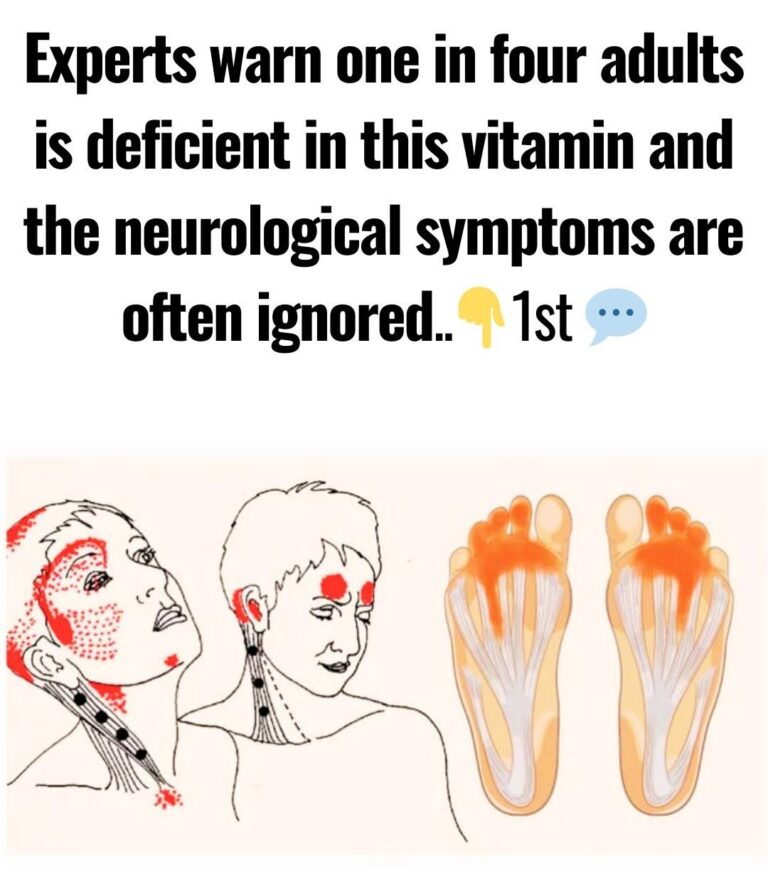
Your brain is affected by the choices you make every day. Sleep, exercise, smoking, alcohol, diet, social connection, and other habits can influence memory, concentration, and long-term cognitive health.
That does not mean one bad habit will automatically cause brain disease. However, several lifestyle factors have been linked to a higher risk of cognitive decline and dementia. The good news is that many of them can be changed.
1. Constantly Sleeping Too Little Sleep is essential for memory, attention, learning, and recovery.
Even one poor night can make it harder to concentrate the next day. Long-term sleep problems may also be associated with poorer cognitive health.
Try to:
Go to bed and wake up at similar times each day
Keep your bedroom dark, quiet, and comfortable
Reduce screen exposure before bedtime
Seek medical advice if sleep problems persist
2. Smoking
Smoking affects much more than the lungs.
It damages blood vessels and increases the risk of cardiovascular disease, which can also affect the brain. Smoking is considered a modifiable risk factor for cognitive decline and dementia.
Quitting smoking is one of the most valuable steps you can take for your overall long-term health.
3. Drinking Too Much Alcohol Heavy or frequent alcohol consumption can negatively affect the brain and nervous system.
Long-term excessive drinking may contribute to memory problems, poor judgment, nutritional deficiencies, and other health complications.
Reducing alcohol intake can benefit both brain health and general well-being.
4. Sitting Most of the Day
The brain and cardiovascular system are closely connected.
Regular physical activity supports healthy blood circulation, blood pressure, metabolism, and heart health. These factors are also important for maintaining brain function as you age.
You do not need intense workouts every day. Walking, cycling, gardening, household activities, and other forms of movement can all help.
5. Ignoring High Blood Pressure or Blood Sugar High blood pressure and diabetes can sometimes develop without obvious symptoms.
Over time, poorly controlled blood pressure and blood sugar may damage blood vessels, including those supplying the brain. Both conditions have been associated with an increased risk of cognitive decline.
Regular health checks can therefore be important, especially if you already have risk factors.
6. Eating a Poor Diet for Years
There is no single “brain food” that can prevent dementia or guarantee perfect memory.
What matters most is your overall eating pattern.
A balanced diet that includes vegetables, fruits, whole grains, legumes, nuts, fish, and other nutrient-rich foods is generally better for long-term health than a diet dominated by highly processed foods, excess sugar, salt, and saturated fat.
7. Becoming Socially Isolated Human connection matters for the brain.
Long-term loneliness and social isolation have been associated with poorer cognitive health and a higher risk of dementia, although they do not directly cause dementia by themselves.
Simple habits can help:
Call friends or relatives regularly
Join a club or community activity
Spend time with family
Participate in hobbies with other people
Even small amounts of regular social interaction can be valuable.
8. Ignoring Hearing Loss Hearing problems are often dismissed as a normal part of aging, but they should not always be ignored.
Untreated hearing loss has been linked with a greater risk of cognitive decline. One possible explanation is that hearing difficulty can reduce communication and increase social isolation.
If you frequently struggle to follow conversations, especially in noisy environments, consider having your hearing checked.
9. Taking Unnecessary Risks With Head Injuries
Your brain is highly vulnerable to physical trauma.
Serious or repeated head injuries may have long-term consequences and have been associated with an increased risk of cognitive problems later in life.
Protect yourself by: Wearing a seat belt
Using a helmet when appropriate
Reducing fall risks at home
Seeking medical attention after a serious head injury
Persistent headache, confusion, vomiting, unusual sleepiness, weakness, or loss of consciousness after a head injury should be taken seriously.
10. Never Challenging Your Brain
Your brain benefits from continued learning and mental stimulation.
You do not need complicated puzzles every day. Reading, learning a language, cooking new recipes, playing music, solving problems, writing, gardening, or learning a new skill can all keep the mind engaged.
The best mental activity is usually one you enjoy enough to continue doing regularly.
Small Changes Can Make a Real Difference
You do not need to completely transform your lifestyle overnight.
Start with a few realistic habits: Sleep consistently
Move your body every day
Avoid smoking
Limit alcohol
Eat a balanced diet
Stay socially connected
Monitor blood pressure and blood sugar
Protect your hearing and your head
Keep learning new things
No lifestyle change can guarantee that someone will never develop dementia or another neurological condition. Age, genetics, medical history, and many other factors also play a role.
Still, improving the habits you can control is one of the most practical ways to support your brain and your overall health for the years ahead. Don’t Ignore These Warning Signs of Vitamin B12 Deficiency Vitamin B12 is essential for healthy red blood cell formation, DNA production, and normal nervous-system function. Because the body stores relatively large amounts of B12, a deficiency may develop slowly and symptoms can take months or even years to become noticeable.
The difficulty is that early signs such as tiredness, weakness, poor concentration, or tingling can easily be blamed on stress, aging, or lack of sleep. Recognizing the possible warning signs matters because prolonged vitamin B12 deficiency can sometimes cause neurological problems that may not fully reverse if treatment is delayed.
Why Vitamin B12 Matters
Vitamin B12, also called cobalamin, plays several important roles in the body. It contributes to normal red blood cell production, neurological function, and DNA synthesis.
Unlike many nutrients, B12 is naturally concentrated mainly in animal-derived foods. Common dietary sources include meat, poultry, fish, eggs, and dairy products. Fortified foods can also provide B12, which is particularly important for people following vegan diets.
However, deficiency is not always caused by poor diet. Some people consume enough B12 but cannot absorb it properly.
1. Persistent Fatigue and Weakness One of the most common warning signs is unusual tiredness.
Vitamin B12 deficiency can interfere with normal red blood cell production. When the body cannot transport oxygen as efficiently as it should, you may experience:
Persistent fatigue
Weakness
Reduced stamina
Feeling unusually exhausted after normal activities
Fatigue has many possible causes, so it should not automatically be blamed on B12 deficiency. A blood test may be necessary to determine the cause.
2. Numbness or Tingling in the Hands and Feet
Pins and needles, numbness, or unusual sensations in the hands and feet can be an important neurological warning sign.
Vitamin B12 is necessary for maintaining healthy nerves. Deficiency can eventually affect the peripheral nervous system and produce tingling or numbness.
New, persistent, or worsening numbness should be evaluated rather than treated with supplements without knowing the cause.
3. Problems With Balance or Walking Some people with significant B12 deficiency develop problems with coordination and balance.
You might notice:
Feeling unusually unsteady
Difficulty coordinating movements
Trouble walking normally
Increasing tendency to stumble
Neurological symptoms deserve prompt medical attention because prolonged deficiency can sometimes cause lasting nerve damage.
4. Memory and Concentration Problems
Vitamin B12 deficiency can sometimes affect cognitive function.
Possible symptoms include:
Poor concentration
Forgetfulness
Confusion
Difficulty thinking clearly
Problems with memory or judgment
Severe deficiency can occasionally produce significant neurological or psychological symptoms. However, memory problems have many possible causes, and B12 deficiency should not be assumed without proper evaluation.
5. Pale Skin and Heart Palpitations B12 deficiency can cause megaloblastic anemia, a condition in which abnormal red blood cells are produced.
Possible signs include pale skin, weakness, tiredness, and heart palpitations.
Palpitations can also have many unrelated causes, so recurring or concerning episodes should be medically assessed.
6. A Sore or Red Tongue
Changes inside the mouth can occasionally provide another clue.
Vitamin B12 deficiency may cause glossitis, in which the tongue becomes sore, inflamed, or unusually red. Mouth soreness can also occur.
Because these symptoms can result from many conditions, they are most meaningful when they occur alongside other signs of deficiency.
7. Loss of Appetite or Unexplained Weight Loss Some people with B12 deficiency experience reduced appetite and unintended weight loss.
These symptoms are nonspecific, meaning many medical conditions can cause them. Persistent unexplained weight loss should therefore be discussed with a healthcare professional rather than assumed to be a vitamin problem.
8. Mood or Psychological Changes
Vitamin B12 deficiency can affect the nervous system and, in some cases, may be accompanied by psychological symptoms.
These may include:
Low mood
Anxiety
Irritability
Confusion
More severe deficiency can sometimes be associated with significant cognitive or psychological changes.
Mental-health symptoms should never be assumed to result solely from a vitamin deficiency.
9. Vision Problems Vitamin B12 deficiency can occasionally affect neurological pathways related to vision.
Vision changes are less common than fatigue or tingling, but the NHS lists visual problems among possible complications of B12 deficiency.
Sudden or significant changes in vision require prompt medical evaluation.
Who Is More Likely to Develop Vitamin B12 Deficiency?
Several factors can increase the likelihood of deficiency.
People following vegan or highly restrictive diets
Because naturally occurring B12 is found primarily in animal-derived foods, people who avoid these foods generally need reliable fortified foods or supplementation.
People who cannot absorb B12 properly
A person may consume adequate B12 and still become deficient. Conditions affecting absorption can include autoimmune gastritis or pernicious anemia, gastrointestinal disorders, and certain types of stomach or intestinal surgery.
Older adults
Absorption of food-bound vitamin B12 can become less efficient with age, making deficiency more likely in some older adults.
People taking certain medications
Long-term use of some medications can interfere with B12 absorption. Examples documented by the NIH include metformin and proton-pump inhibitors.
Do not stop prescribed medication because of this possibility. A healthcare professional can determine whether testing or supplementation is appropriate.
How Is Vitamin B12 Deficiency Diagnosed?
Symptoms alone are not enough to confirm B12 deficiency because many of them overlap with other conditions.
Diagnosis usually involves your symptoms, medical history, examination, and blood tests. Additional testing may sometimes be required to identify why the deficiency developed.
Finding the underlying cause matters because treatment may differ depending on whether the problem comes from diet or impaired absorption.
Can You Simply Take a Vitamin B12 Supplement? Not always.
Diet-related deficiency may sometimes be treated with oral vitamin B12, while people who cannot absorb B12 normally may require a different treatment approach. NICE guidance recommends choosing oral or intramuscular replacement according to the underlying cause and clinical circumstances.
Taking supplements without investigating persistent neurological symptoms can also delay diagnosis of another condition.
Food Sources of Vitamin B12
Foods naturally containing B12 include:
Fish and seafood
Beef and other meats
Poultry
Eggs
Milk
Yogurt
Cheese
People who avoid animal products can obtain B12 from appropriately fortified foods or supplements.
Importantly, increasing dietary intake will not necessarily correct a deficiency caused by poor absorption.
Why Early Recognition Matters
Vitamin B12 deficiency is often treatable, particularly when identified early. However, neurological problems caused by prolonged deficiency can sometimes become irreversible. The NHS therefore advises seeking medical evaluation when B12 deficiency is suspected rather than allowing symptoms to continue untreated.
Pay particular attention to combinations of symptoms such as persistent fatigue together with tingling, balance problems, memory changes, or muscle weakness.
The Bottom Line
Vitamin B12 deficiency can begin quietly. Fatigue, weakness, tingling, numbness, balance problems, memory changes, a sore tongue, pale skin, or appetite changes can all occur, although none of these symptoms proves that B12 deficiency is the cause.
The safest approach is not to self-diagnose. If symptoms persist—especially neurological symptoms such as numbness, balance difficulties, confusion, or weakness—speak with a healthcare professional about appropriate testing.
Identifying the cause early can make treatment more effective and may help prevent potentially lasting complications.
