
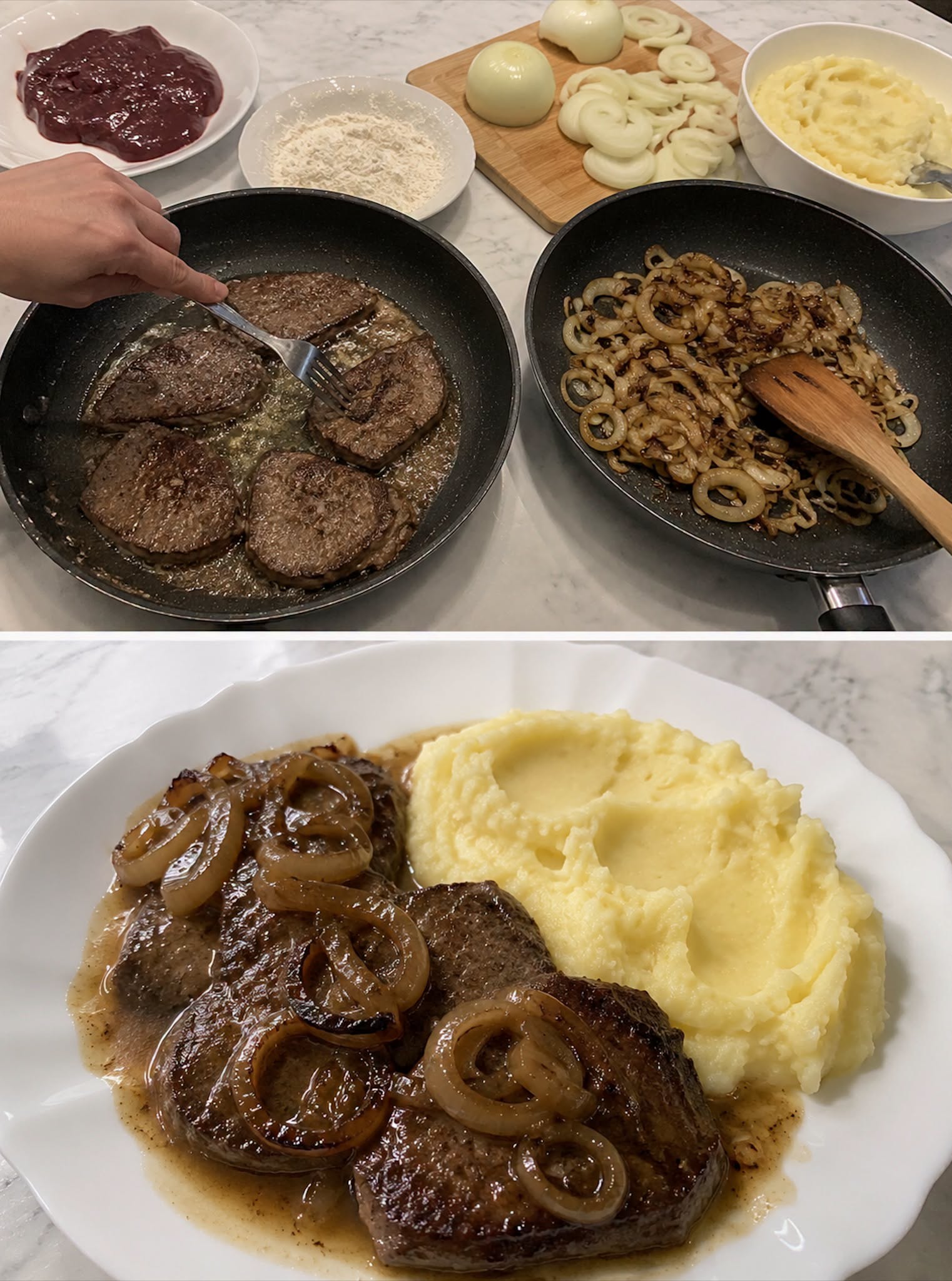
Few classic dishes evoke as much nostalgia or spark as much culinary debate as Liver and Onions. A staple of traditional comfort food menus across North America and Europe, this classic comfort dish pairs tender, pan-seared liver with sweet, caramelized onions and rich gravy, typically served alongside a mound of buttery mashed potatoes.
While organ meats fell out of favor in home kitchens for a few decades, liver is making a major comeback among food enthusiasts, home cooks, and nutrition advocates. Packed with essential vitamins, iron, and high-quality protein, liver is one of the most nutrient-dense foods on the planet. When prepared correctly, it is tender, savory, and rich in flavor.
This comprehensive guide details the nutritional profile of beef and calf liver, breaks down essential pre-treatment techniques to guarantee tender meat, offers a step-by-step master recipe, and provides professional culinary tips to elevate this classic dish.
The Nutritional Powerhouse: Why Eat Liver?
From a nutritional standpoint, liver outranks almost all muscle meats in vitamin and mineral density.
NUTRITIONAL HIGHLIGHTS OF BEEF LIVER
│
┌──────────────────────────────┼──────────────────────────────┐
▼ ▼ ▼
VITAMIN A (RETINOL) VITAMIN B12 HEME IRON
Supports immune function, Boosts energy production Supports oxygen transport
vision, & cellular health & nervous system health & prevents anemia
Key Health Benefits:
Rich in Heme Iron: Liver provides bioavailable heme iron, which is easily absorbed by the human body to support healthy red blood cells and combat fatigue.
Loaded with B-Complex Vitamins: A single serving provides well over 100% of your daily requirement for Vitamin B12, riboflavin (B2), and folate.
High-Quality Protein: Liver offers a complete amino acid profile while remaining relatively low in overall calories and fat compared to heavy cuts of beef.
The Secret to Tender, Flavorful Liver: Soaking and Cooking Techniques
The most common complaint about liver is that it can taste bitter or develop a tough, rubbery texture. These issues stem almost entirely from improper preparation and overcooking.
1. The Milk Soak (Removing Bitterness)
Before cooking, submerge sliced liver in milk or buttermilk for 30 to 60 minutes in the refrigerator. The lactic acid and proteins in milk bind to metallic compounds and draw out residual blood, dramatically softening strong flavors and tenderizing the meat.
2. Dredging in Seasoned Flour
Dredging the soaked liver slices in flour before searing serves two key purposes:
It locks in natural juices, preventing the liver from drying out in the pan.
The flour washes into the pan juices, creating a rich, natural gravy base when combined with caramelized onions and broth.
3. Flash Searing (Avoid Overcooking)
Liver requires high heat and very short cooking times. Searing for just 2 to 3 minutes per side creates a golden crust while keeping the interior tender and juicy. Overcooking liver causes its protein fibers to contract tightly, resulting in a dry, rubbery texture.
Master Recipe: Classic Pan-Seared Liver and Onions
Follow this simple, step-by-step recipe to make restaurant-quality liver and onions served over creamy mashed potatoes.
Ingredients:
For the Liver & Onions:
Beef or Calf Liver: 1.5 lbs, sliced into 1/2-inch thick pieces
Yellow Onions: 2 large, thinly sliced into rings
Whole Milk: 2 cups (for soaking)
All-Purpose Flour: 1/2 cup
Butter & Olive Oil: 2 tablespoons each
Beef Broth: 1 cup
Salt & Black Pepper: To taste
For the Mashed Potatoes:
Russet or Yukon Gold Potatoes: 2 lbs, peeled and cubed
Butter: 4 tablespoons
Heavy Cream or Whole Milk: 1/2 cup
Salt: 1 teaspoon
Step-by-Step Instructions:
Step 1: Prep and Soak the Liver
Rinse liver slices under cold water, pat dry, and place them in a shallow bowl. Pour milk over the liver until fully submerged. Cover and chill in the refrigerator for 30 to 45 minutes.
Step 2: Prepare the Mashed Potatoes
Place cubed potatoes in a pot of cold salted water. Bring to a boil and cook for 15 minutes until fork-tender. Drain well, mash with butter, heavy cream, and salt until smooth and creamy. Cover to keep warm.
Step 3: Caramelize the Onions
Melt 1 tablespoon of butter and 1 tablespoon of olive oil in a large skillet over medium heat. Add sliced onions and cook slowly for 15 to 20 minutes, stirring occasionally until deep golden brown and soft. Remove onions from the skillet and set aside on a plate.
Step 4: Dredge and Sear the Liver
Remove liver from the milk and pat dry with paper towels. Season all-purpose flour with salt and black pepper in a shallow dish. Dredge each liver slice in flour, shaking off any excess.
Melt remaining butter and oil in the skillet over medium-high heat. Add liver slices in a single layer and sear for 2 to 3 minutes per side until golden brown. Transfer seared liver to a warm plate.
Step 5: Make the Pan Gravy and Assemble
Return caramelized onions to the skillet. Pour in beef broth, scraping up any browned bits from the bottom of the pan. Simmer for 3 minutes until the liquid thickens slightly into a rich gravy. Nestled the seared liver back into the pan for 1 minute to coat with gravy.
Serve hot liver slices and caramelized onions alongside generous scoops of creamy mashed potatoes.
Comparing Beef, Calf, and Chicken Liver
Depending on your taste preferences, different types of liver offer distinct culinary profiles:
Liver Type Flavor Profile Texture Best Cooking Method
Calf Liver Mild, sweet, delicate Extremely tender Pan-searing in butter
Beef Liver Robust, earthy, strong Firm Soaked in milk & pan-seared
Chicken Liver Very mild, slightly sweet Soft Sautéed or made into pâté
Pork Liver Strong, bold, metallic Firm Slow-braised or sausage (liverwurst)
Conclusion: Rediscovering a Traditional Comfort Meal
Classic Liver and Onions is proof that traditional home cooking stands the test of time. By soaking the liver to ensure a mild flavor, slowly caramelizing fresh onions, and executing a quick pan sear, you turn a nutrient-packed organ meat into a comforting, delicious dinner.
Gather your ingredients, whip up a batch of creamy mashed potatoes, and enjoy one of the most hearty, nutrient-dense comfort meals classic cuisine has to offer!
Frequently Asked Questions (FAQ)
1. What is the difference between calf liver and beef liver?
Calf liver comes from younger cattle, making it much more tender with a lighter color and milder, sweeter taste. Beef liver comes from mature cattle and features a stronger, deeper earthy flavor and firmer texture.
2. Why do you soak liver in milk before cooking?
Soaking liver in milk helps neutralize strong metallic flavors, tempers bitterness, and softens muscle fibers, resulting in a more tender and appetizing dish.
3. How do you know when liver is cooked properly?
Liver is cooked properly when it reaches an internal temperature of 160°F (71°C). Visually, it should have a deep brown seared crust on the outside while remaining slightly pink and juicy on the inside.
4. Can you freeze cooked liver and onions?
Yes. Store leftover liver and onions in an airtight container in the freezer for up to 2 months. Reheat gently in a skillet over low heat with a splash of broth to prevent the liver from drying out.
5. What side dishes pair well with liver and onions?
Creamy mashed potatoes are the classic pairing, as they soak up the savory onion gravy. Other great sides include steamed green beans, sautéed spinach, glazed carrots, or crusty bread.
