
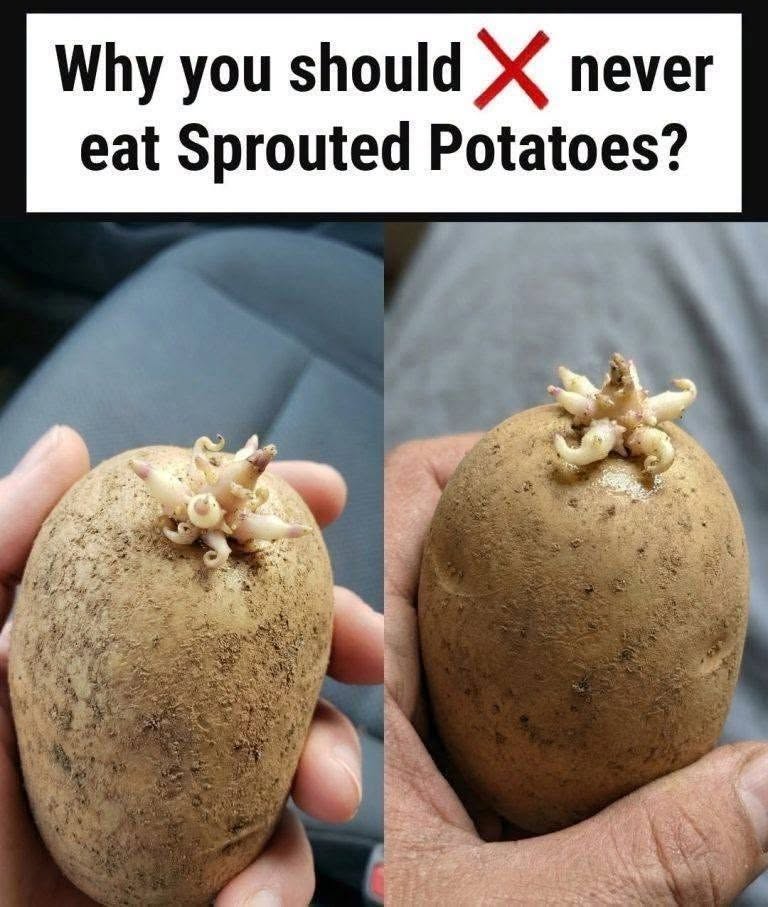
Finding small, pale sprouts (or “eyes”) growing out of potatoes sitting in your pantry is a common household occurrence. While your instinct may be to simply snap off the sprouts and start cooking, sprouted potatoes contain natural chemical compounds that require careful handling.
When potatoes sprout or turn green, concentrations of naturally occurring glycoalkaloids rise significantly, which can pose health risks if consumed in large quantities.
This comprehensive guide details the science behind sprouted potatoes, glycoalkaloid toxicity risks, how to safely inspect and prepare potatoes, and practical advice on household budgeting and health protection.
The Science: Glycoalkaloids, Solanine, and Chaconine
Potatoes belong to the nightshade family (Solanaceae) and naturally produce defensive toxins to protect themselves against pests, fungi, and harsh environmental conditions:
+———————————————————————–+
| POTATO DEFENSIVE TOXIN TYPES |
+———————————————————————–+
| 1. SOLANINE –> Natural bitter toxic glycoalkaloid in sprouts & skin |
+———————————————————————–+
|
v
+———————————————————————–+
| 2. CHACONINE –> Secondary bitter compound concentrated in green flesh|
+———————————————————————–+
1. Where Toxins Concentrate
Solanine and chaconine are concentrated highest in the sprouts, eyes, skin, and any green-tinted flesh of the potato tuber. The white flesh inside contains much lower baseline levels.
2. Chlorophyll and Light Exposure
When potatoes are exposed to sunlight or indoor light, they produce chlorophyll, turning the skin or outer layer green. While chlorophyll itself is harmless, greening indicates that solanine production has surged alongside it.
Safety Inspection Guide Table
+——————+——————-+——————–+——————–+
| Potato Condition | Visual Appearance | Texture & Firmness | Action Required |
+——————+——————-+——————–+——————–+
| Fresh | Firm, smooth skin | Solid & Heavy | Safe to eat |
| Minor Sprouts | Tiny small sprouts| Firm flesh | Trim eyes & eat |
| Advanced Sprouts | Large sprouts/green| Soft & Wrinkled | Discard immediately|
+——————+——————-+——————–+——————–+
Symptoms of Solanine Toxicity and Proper Handling
Consuming high levels of glycoalkaloids can lead to mild-to-severe foodborne illness:
+———————————————————————–+
| POTATO SAFETY CHECKLIST |
+———————————————————————–+
| Symptom 1: Digestive –> Nausea, vomiting, diarrhea, & stomach cramps |
| Symptom 2: Neurological–> Bitter mouth taste, headache, & dizziness |
| Step 1: Inspection –> Snap sprouts off & cut deep eyes out |
| Step 2: Storage –> Keep in cool, dark, well-ventilated dry space|
+———————————————————————–+
Recognizing Toxicity Symptoms: Solanine poisoning typically causes gastrointestinal distress (nausea, vomiting, abdominal cramps, diarrhea) and a burning or bitter sensation in the mouth or throat. Severe cases can cause headaches, fever, or confusion.
Trimming Minor Sprouts: If the potato is still firm and has only small, localized sprouts, you can safely remove the sprouts, dig out the eyes deeply with a paring knife, and peel away any green skin before cooking.
When to Discard: If the potato is soft, shriveled, heavily sprouted, or displays deep green flesh throughout, discard it completely. Cooking or boiling does not destroy solanine toxins because they are heat-resistant.
Proper Storage Conditions: Store fresh potatoes in a cool, dark, and well-ventilated pantry or burlap bag. Keep them away from onions and direct sunlight to prevent early sprouting.
Home Management, Grocery Budgeting, and Financial Health
Understanding proper food safety and produce storage extends pantry shelf life and strengthens personal financial security.
Grocery Savings & Waste Reduction
Storing potatoes properly reduces premature spoilage and unnecessary food waste. Managing your household grocery budget efficiently allows families to preserve capital to build emergency savings accounts, pay off high-interest credit card debt, or allocate funds toward long-term financial investments.
Preventive Wellness and Health Insurance Protection
Preventing food poisoning through vigilant kitchen inspection protects your family’s daily health. Combining safe food handling practices with routine medical care covered by your health insurance provider safeguards both your family’s physical health and personal financial stability.
Frequently Asked Questions (FAQ)
Does boiling or baking destroy solanine in potatoes?
No. Solanine is heat-stable and is not destroyed by standard cooking temperatures, including boiling, baking, frying, or microwave heating. Trimming away green portions and sprouts is essential.
Can you plant sprouted potatoes in a home garden?
Yes! If a potato has sprouted significantly and is no longer ideal for eating, you can plant it directly into well-drained soil or a container garden to grow fresh potatoes.
Conclusion
Small sprouts on a firm potato can simply be cut out along with the eyes before cooking, but soft, green, or heavily sprouted potatoes should be tossed. Store your potatoes in a cool, dark space to keep them fresh and toxin-free!
