
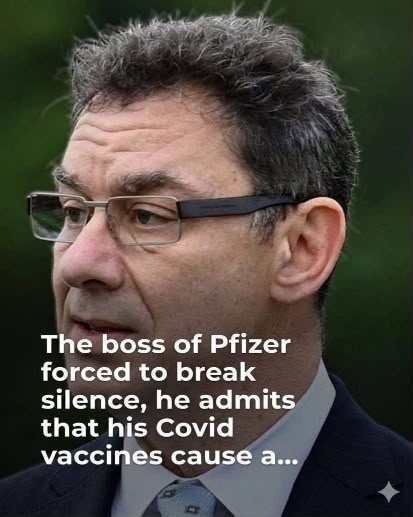
In recent years, viral social media posts, headlines, and digital memes featuring high-profile pharmaceutical executives have circulated widely across online platforms. Among these, posts depicting Pfizer CEO Albert Bourla often claim that he was “forced to break silence” or made dramatic admissions regarding COVID-19 vaccine safety and efficacy.
Given the massive public focus on global health, understanding the origin of these viral headlines, verifying public statements against independent fact-checking records, and examining pharmaceutical safety regulations is essential for digital media consumers.
In this detailed article, we examine the context behind these viral claims, review independent fact-checking findings, and discuss modern healthcare and insurance standards surrounding immunization programs.
Fact-Checking the Claims: What Was Actually Said?
Sensationalized headlines on social media frequently use clickbait phrasing like “forced to break silence” or “admits that…” to attract engagement. However, official transcripts and independent media evaluations clarify the real context behind these reports.
1. The Context of Public Statements
Public addresses by pharmaceutical leadership—including speeches at international forums like the World Economic Forum, investor calls, and televised news interviews—are matters of public record. Fact-checking organizations, including Reuters, Associated Press (AP), and FactCheck.org, have repeatedly debunked claims alleging secret admissions or undisclosed risks.
2. Discussion of Vaccine Mutations and Efficacy
Many viral memes stem from altered or out-of-context quotes regarding how mRNA vaccines perform against emerging viral variants (such as Omicron mutations). Discussions concerning waning immunity over time or the necessity of booster shots were often misconstrued online as admissions of failure, whereas public health agencies routinely publish updated clinical data on vaccine performance.
The Science of Medical Safety Monitoring and Pharmacovigilance
Vaccines undergo rigorous testing and ongoing monitoring through international safety frameworks before and after authorization.
Clinical Trials and Regulatory Approval
Before any vaccine receives emergency authorization or full approval from regulatory bodies like the U.S. Food and Drug Administration (FDA) or European Medicines Agency (EMA), it undergoes multi-phase clinical trials evaluating safety profiles and immunogenicity across tens of thousands of participants.
Post-Marketing Surveillance (Pharmacovigilance)
After widespread distribution begins, global health authorities implement real-world monitoring systems (such as the Vaccine Adverse Event Reporting System, or VAERS, in the United States). These reporting platforms allow medical professionals and consumers to log potential side effects, enabling epidemiologists to identify extremely rare adverse events continuously.
Healthcare, Insurance, and Public Health Policy Insights
Public health recommendations and medical insurance coverage work together to ensure community health security and access to care.
Health Insurance Coverage for Preventive Care
Under most standard health insurance plans and government health services, preventive immunizations—including seasonal flu shots and updated COVID-19 boosters—are fully covered without copays. Preventive healthcare programs aim to reduce hospital admission rates and protect vulnerable populations against severe illness.
Navigating Online Health Information and Misinformation
With the abundance of sensationalized health claims online, public health organizations emphasize digital literacy. Readers are encouraged to verify health claims through official portals such as the World Health Organization (WHO), Centers for Disease Control and Prevention (CDC), or certified medical institutions rather than unverified social media images.
Tips for Evaluating Online Health Claims
When encountering dramatic news stories or medical claims on social platforms, keep these evaluation guidelines in mind:
Check the Primary Source: Look for direct video recordings or official transcripts of speeches rather than cropped images or truncated text overlays.
Consult Independent Fact-Checkers: Utilize non-partisan fact-checking outlets to see if the claim has already been investigated and contextually verified.
Distinguish Clickbait from Reporting: Be skeptical of sensational phrasing designed to evoke strong emotional reactions, such as “forced to break silence” or “shocking secret revealed.”
Discuss Concerns with Healthcare Providers: If you have questions about vaccine safety, medical treatments, or personal health risks, consult a trusted primary care physician or licensed medical professional.
Conclusion
Sensationalized graphics suggesting that corporate executives made dramatic secret confessions often rely on out-of-context quotes or fabricated narratives. Relying on verified medical sources and independent fact-checking ensures a clear understanding of global health topics.
Frequently Asked Questions (FAQ)
Where can I find official public statements from pharmaceutical companies?
Official press releases, transcripts of executive speeches, and clinical study data are published directly on company investor relations pages and press portals.
How do fact-checkers verify viral quotes?
Fact-checkers cross-reference social media claims against full unedited video footage, official transcripts, press releases, and direct statements from company representatives.
What should I do if I suspect a health post is fake news?
Avoid sharing unverified posts. Check trusted medical institutions or established news agencies to verify the information before passing it along to friends or family.
