
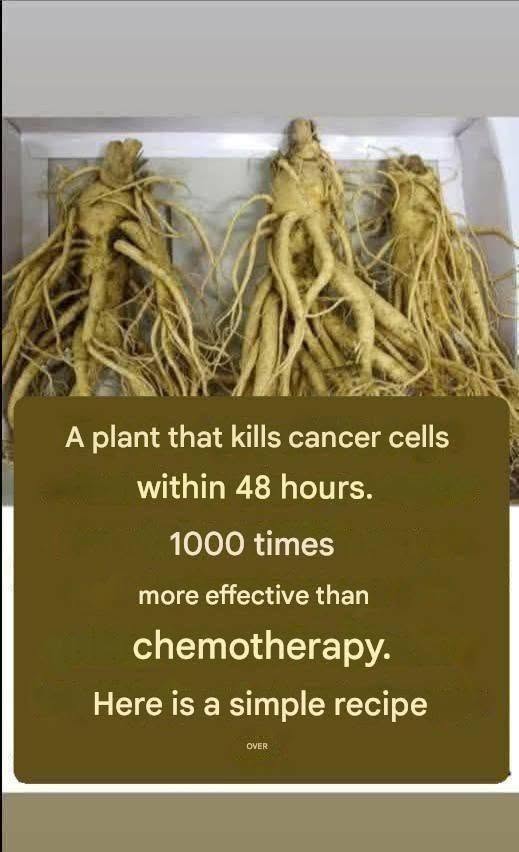
Dandelion (Taraxacum officinale) is a common flowering plant traditionally used in herbal remedies and consumed in teas, salads, and other preparations. In recent years, researchers have investigated its natural compounds, including antioxidants, to better understand their potential effects on human health.
One area of interest is the relationship between dandelion extracts, oxidative stress, and cancer research. Although early laboratory findings have attracted attention, it is important to distinguish promising preliminary research from proven medical treatments.
1. Antioxidant Properties of Dandelion
Dandelion leaves and other parts of the plant contain various natural compounds, including polyphenols and flavonoids. Some of these compounds demonstrate antioxidant activity in laboratory studies.
Antioxidants help protect cells against oxidative stress, an imbalance that occurs when reactive molecules known as free radicals accumulate beyond the body’s ability to manage them effectively.
Excessive oxidative stress can contribute to cellular damage, including damage to DNA. DNA damage is one of several factors involved in cancer development, although cancer is a complex disease influenced by genetic changes, environmental exposures, lifestyle factors, and other biological processes.
Laboratory studies examining dandelion extracts have reported antioxidant effects under certain experimental conditions. Some research has also investigated whether these extracts can influence markers of cellular damage.
However, results obtained from isolated cells in a laboratory do not necessarily translate into the same effects in the human body. The concentration of an extract, how it is prepared, and how the body absorbs and processes its compounds can all affect the outcome.
2. Polyphenols and Cellular Protection
Polyphenols are naturally occurring compounds found in many plants, including dandelion. They have attracted scientific interest because some can interact with processes involved in oxidative stress and inflammation.
Research into plant-derived polyphenols aims to understand how these compounds may influence cellular function and help explain the potential health benefits of plant-rich diets.
Nevertheless, the presence of antioxidants in a plant does not automatically mean that consuming it prevents cancer or treats an existing tumor. Antioxidant activity is only one aspect of a much broader area of research.
3. What Does Dandelion Research Say About Cancer?
Researchers have investigated dandelion extracts in laboratory experiments to explore their possible effects on cancer cells. Some preclinical studies have reported biological effects under specific experimental conditions.
These findings are preliminary. Research involving isolated cells or animals cannot establish that dandelion tea, leaves, roots, or supplements are effective cancer treatments in people.
At present, dandelion should not be described as a proven cure for cancer, and there is insufficient clinical evidence to recommend it as a substitute for established cancer care.
Anyone considering dandelion supplements during cancer treatment should speak with their oncology team first. Herbal products can have side effects, vary in strength and quality, and potentially interact with medications.
4. Can Dandelion Be Part of a Healthy Diet?
For many people, dandelion leaves can be enjoyed as a food, provided they are correctly identified and obtained from a safe source. Like other leafy greens, they can contribute variety to a balanced diet.
A nutritious eating pattern that includes vegetables, fruits, whole grains, and other appropriate foods supports general health. However, no single food or herb can guarantee protection against cancer.
People with allergies to related plants, certain medical conditions, or medication-related concerns should consult a healthcare professional before using dandelion medicinally.
Conclusion
Dandelion contains natural compounds, including polyphenols, that have demonstrated antioxidant activity in laboratory research. Scientists continue to investigate whether these compounds have useful biological effects, including in cancer-related research.
The evidence remains preliminary, and laboratory findings should not be confused with proof of a treatment that works in humans. Dandelion may be enjoyed as part of a varied diet, but it should never replace cancer screening, diagnosis, or treatment recommended by qualified medical professionals.
