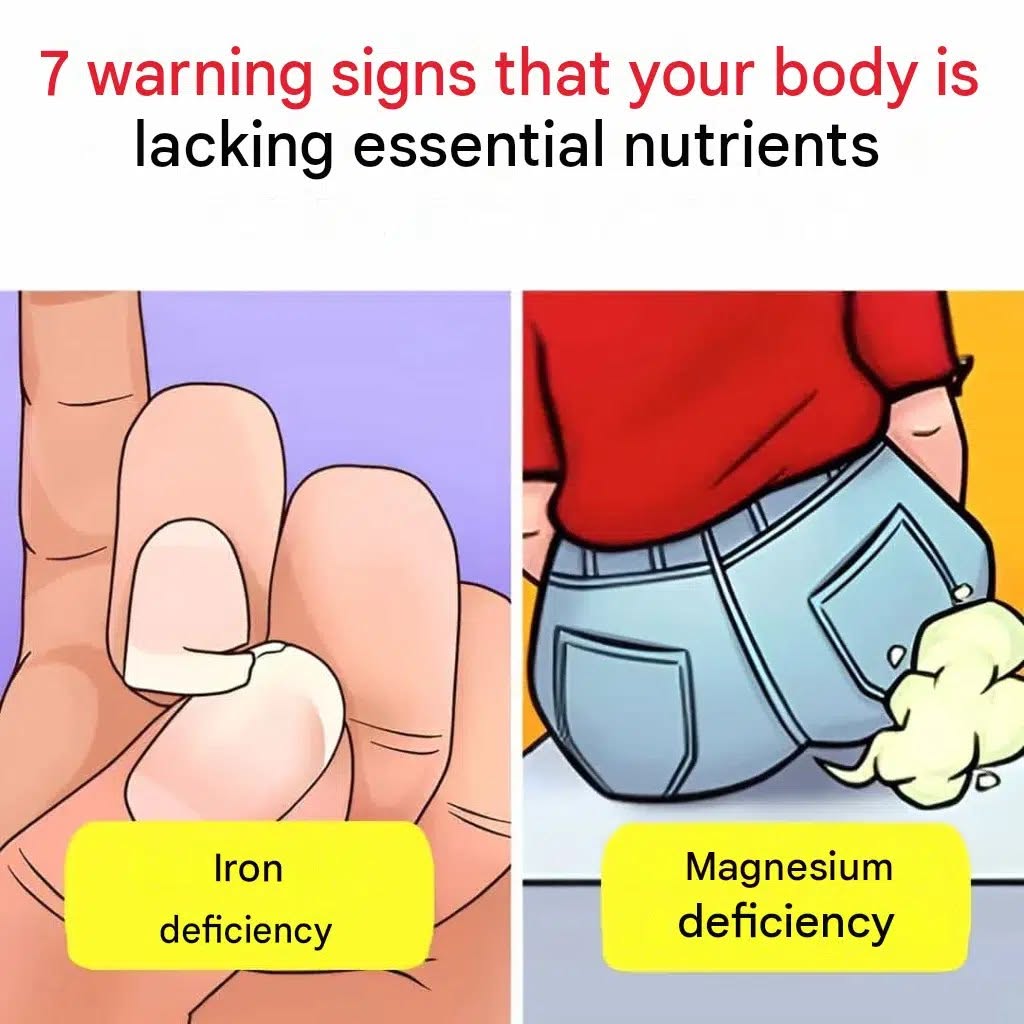
Our bodies are complex systems that rely on a delicate balance of vitamins, minerals, and essential nutrients to perform daily metabolic functions. When we fail to receive sufficient micro- and macronutrients through our regular diet, our bodies begin sending subtle emergency signals long before serious medical conditions develop. From brittle fingernails and muscle cramps to digestive issues and chronic fatigue, recognizing the early physical indicators of nutrient deficiencies can empower you to restore balance and prevent long-term health complications. In this comprehensive guide, we explore seven critical warning signs that your body is lacking essential nutrients, the science behind nutrient absorption, actionable dietary fixes, and how healthcare planning plays a role in preventive wellness. Understanding Nutrient Deficiencies: How and Why They HappenA nutrient deficiency occurs when the body does not absorb or receive the necessary amount of a specific vitamin or mineral over an extended period. Deficiencies can arise from inadequate dietary intake, poor gut absorption, chronic stress, or underlying medical conditions. Primary vs. Secondary DeficienciesPrimary Deficiencies: Occur when a person simply does not consume enough of a particular nutrient in their daily food intake. Secondary Deficiencies: Occur when the body cannot properly absorb or process a nutrient due to gastrointestinal disorders, medications, or metabolic imbalances. Identifying whether a deficiency is primary or secondary is essential for choosing the right treatment approach, whether that means adjusting your diet or seeking targeted medical intervention. 7 Warning Signs Your Body Is Lacking Essential Nutrients1. Brittle, Peeling, or Spoon-Shaped Nails (Iron Deficiency)One of the clearest visual indicators of nutrient depletion shows up in our nails. Iron is crucial for producing hemoglobin, a protein that carries oxygen throughout the bloodstream to tissues, including your nail beds. The Symptom: Nails that crack easily, peel at the edges, or develop a concave, spoon-like curve (koilonychia). Associated Signs: Pale skin, cold hands and feet, shortness of breath, and unusual fatigue. Dietary Sources: Lean red meat, spinach, lentils, pumpkin seeds, and fortified cereals. 2. Muscle Cramps, Twitches, and Bloating (Magnesium Deficiency)Magnesium plays a key role in over 300 enzymatic reactions in the human body, regulating nerve transmission, muscle contraction, and digestive motility. The Symptom: Frequent muscle spasms, leg cramps at night, eye twitches, or chronic digestive irregularities such as sluggish bowel movements and excess bloating/gas. Associated Signs: Difficulty sleeping, anxiety, and heart palpitations. Dietary Sources: Dark leafy greens, almonds, dark chocolate, avocados, and whole grains. 3. Bleeding Gums and Slow Wound Healing (Vitamin C Deficiency)Vitamin C is vital for collagen synthesis, immune defense, and cellular repair. The Symptom: Gums that bleed during normal brushing, frequent bruising, and minor cuts or scrapes that take a long time to heal. Dietary Sources: Citrus fruits, bell peppers, strawberries, broccoli, and kiwis. 4. Cracked Corners of the Mouth (B-Vitamin Deficiency)Cheilitis, or cracking and inflammation at the corners of the mouth, often points toward shortages in B-complex vitamins, particularly B2 (riboflavin), B3 (niacin), and B12. The Symptom: Red, sore, or peeling fissures in the corners of your lips. Dietary Sources: Eggs, poultry, dairy products, nutritional yeast, and leafy greens. 5. Chronic Fatigue and Weakness (Vitamin D or B12 Deficiency)Persistent low energy despite getting adequate rest is a classic sign of internal nutrient imbalance. The Symptom: Feeling constantly sluggish, experiencing brain fog, or noticing muscle weakness during routine daily activities. Dietary Sources: Fatty fish (salmon, mackerel), fortified milk, eggs, and safe, moderate sun exposure. 6. Hair Loss and Brittle Hair (Zinc and Biotin Deficiency)Hair follicles require high amounts of cell turnover and metabolic support, making hair health sensitive to nutritional gaps. The Symptom: Excessive shedding, thinning hair, or dry, brittle strands that snap easily. Dietary Sources: Oysters, beef, pumpkin seeds, eggs, and nuts. 7. Poor Night Vision and Dry Eyes (Vitamin A Deficiency)Vitamin A is fundamental for maintaining clear vision and creating protective mucous membranes in the eyes. The Symptom: Difficulty adapting to dim lighting, dry eyes, or frequent eye irritation. Dietary Sources: Carrots, sweet potatoes, squash, kale, and liver. Practical Action Steps to Restore Your Nutrient LevelsRestoring optimal vitamin and mineral levels requires a systematic, thoughtful approach to diet and daily habits. Prioritize Whole, Unprocessed Foods: Shift toward a colorful diet rich in veggies, fruits, lean proteins, healthy fats, and unrefined grains. Pair Foods for Maximum Absorption: Combine iron-rich plant foods with Vitamin C (e.g., lemon juice on spinach) to boost iron uptake. Avoid drinking coffee or tea with meal times, as tannins can inhibit mineral absorption. Optimize Gut Health: A healthy digestive tract ensures efficient absorption of vitamins. Incorporate probiotic foods like yogurt, kefir, and sauerkraut to support your gut microbiome. Get Blood Work Done: Avoid guessing with high-dose supplements. A comprehensive blood panel can pinpoint exact deficiencies so you can supplement safely. Healthcare, Insurance, and Smart Wellness ManagementAddressing chronic nutrient deficiencies often requires professional medical oversight, diagnostic testing, and lifestyle planning. Seeking Medical Advice and Diagnostic CareWhen warning signs like severe fatigue, nail changes, or persistent digestive problems arise, consulting a primary care physician or clinical dietitian is a crucial step. Diagnostic blood tests—such as serum ferritin, Vitamin D, B12, and comprehensive metabolic panels—allow doctors to create evidence-based treatment plans. Navigating Health Insurance and Financial WellnessPreventive lab work and annual physicals are often fully or partially covered by major Health Insurance plans. Utilizing preventative care benefits allows individuals to detect deficiencies early before they lead to severe complications requiring expensive Medical procedures. Managing long-term health is also an essential component of personal Finance and wealth planning. Investing in good nutrition, routine healthcare checks, and preventive Insurance protects your physical well-being while safeguarding your family’s financial stability and Retirement savings against unexpected healthcare costs. Fascinating Facts About Human NutritionThe Vitamin D Unique Pathway: Vitamin D is the only essential vitamin that your body can manufacture entirely on its own through direct sunlight contact with your skin. Gastrointestinal Surface Area: The human small intestine, where most nutrient absorption happens, has a surface area equivalent to a tennis court due to microscopic folds called villi. The Synergy of Nutrients: Certain vitamins cannot work without others—for example, Vitamin D is essential for your body to absorb calcium properly. Instant Taste Cell Renewal: Taste bud cells regenerate every 10 to 14 days, a process heavily reliant on zinc levels. ConclusionYour body is constantly communicating its internal state. Subtle visual cues like brittle nails, muscle twitches, hair thinning, or digestive changes are not just minor inconveniences—they are important warning signs that your body needs essential nutrients. By listening to these signals, optimizing your daily diet, and consulting healthcare professionals for routine checkups, you can maintain long-term vitality, health, and well-being. Frequently Asked Questions (FAQ)1. How long does it take to recover from a nutrient deficiency?Recovery times vary depending on the specific nutrient and severity of the deficiency. While minor B-vitamin or Vitamin C shortages can improve within weeks of dietary adjustments, building iron or Vitamin D stores back to optimal levels can take 3 to 6 months. 2. Can I take a multivitamin to fix all nutrient deficiencies?While a quality multivitamin can act as a helpful safety net, it cannot replace a nutrient-dense whole food diet. Additionally, multivitamins may not contain high enough therapeutic doses to correct severe specific deficiencies. 3. Does health insurance cover routine blood tests for vitamin levels?Many Health Insurance policies cover basic blood panels (such as complete blood counts and metabolic panels) during annual checkups. Specific vitamin tests like Vitamin D or B12 may require medical justification from your doctor for full coverage. 4. What is the most common nutrient deficiency in the world?Iron deficiency is widely recognized as the most common nutritional deficiency worldwide, affecting millions of people, particularly women, children, and vegetarians.
7 Critical Warning Signs That Your Body Is Lacking Essential Nutrients