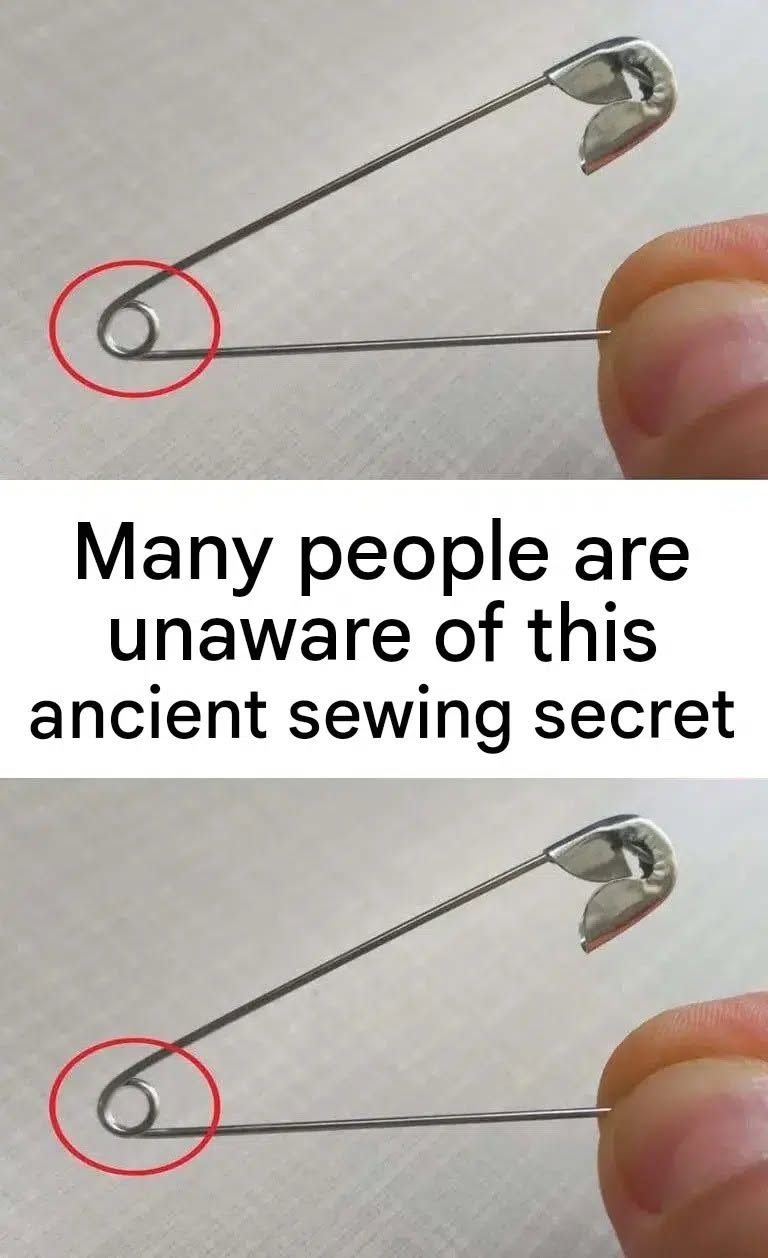
The safety pin is one of the most simple yet brilliant inventions in human history. Found in almost every household junk drawer, sewing kit, and emergency toolset around the world, this small piece of bent wire has secured garments, fixed fashion emergencies, and held together everyday fabrics for over a century. Yet, despite its universal presence, few people stop to consider why the pin is engineered the way it is—specifically, the purpose of that circular coiled loop located at the bottom base. While many assume the loop at the end of a safety pin is merely decorative or an inevitable byproduct of manufacturing wire, it actually plays a crucial mechanical and practical role. In this comprehensive guide, we explore the origin story of the safety pin, unravel the genius engineering behind its coiled loop, examine practical modern life hacks, and look into how small household innovations tie into larger consumer trends, home safety, and smart financial management. The Origin Story: How a Debt Created a Breakthrough InventionTo appreciate the engineering of the safety pin, it helps to understand its origins. Fasteners similar to safety pins, known as fibulae, were used by ancient civilizations including the Mycenaeans and Etruscans to secure cloaks and tunics. However, those early designs lacked a protective spring mechanism and frequently poked or injured the wearer. The modern safety pin as we know it today was invented in 1849 by American mechanic and inventor Walter Hunt. Faced with a $15 debt to a colleague, Hunt sat down with a 3-foot piece of brass wire and spent three hours twisting and experimenting. His goal was to create a device that could hold fabric together safely without pricking the user. Hunt’s key breakthrough was two-fold:The Clasp Guard: A protective cap covering the sharp point to prevent accidental injury. The Coiled Spring Loop: A continuous loop coiled at the base to create built-in mechanical tension. Hunt patented his design on April 10, 1849, and subsequently sold the rights for $400 to pay off his debt. Though he made a modest sum at the time, his invention laid the groundwork for a global industry that produces billions of safety pins every year. Unlocking the Secrets of the Coiled LoopWhy is that circular loop at the bottom of the safety pin so important? It turns out that this tiny detail serves both mechanical functions and clever secondary uses. 1. Mechanical Tension and Spring ActionThe primary physical purpose of the circular loop is to serve as a torsion spring. Without the coiled loop, bending a solid wire back and forth would quickly lead to metal fatigue, causing the pin to snap or lose its springiness. The circular spiral distributes the mechanical stress evenly along the wire whenever the pin is squeezed open or snapped shut. This enables the pin to open automatically when unlatched and maintain constant pressure to stay securely closed inside the protective clasp. 2. Preventing Fabric Bunching and TearingWhen securing multiple layers of thick fabric, the spring loop provides a flexible anchor point. Instead of the fabric jamming against a rigid joint, the open spiral allows heavy materials to shift slightly without tearing the weave. 3. Threading and Guide Tooling in SewingIn traditional dressmaking and hand-sewing crafts, tailor specialists often utilize the coiled loop as an anchor or thread guide. Passing a secondary thread or elastic band through the loop allows seamstresses to pull ribbons, drawstrings, or elastics through narrow fabric casings with ease. Ingenious Life Hacks Using Safety PinsBeyond basic garment repairs, safety pins—and specifically their coiled base—can solve dozens of everyday dilemmas. Here are some of the most useful home and fashion hacks: Threading Drawstrings with Ease: Attach a safety pin to the loose end of a hoodie string or sweatpants drawstring. The rigid body of the pin makes it simple to feed the string through the fabric channel. Eliminating Static Cling: Attach a metallic safety pin to the interior hem of a skirt or dress. The metal redirects static electricity away from the fabric, keeping your clothing from clinging awkwardly to your body. Securing Zipper Pulls: If you have a bag or jacket zipper that keeps sliding down on its own, loop a safety pin through the zipper pull and anchor it to the fabric near the top. This is an effective theft-deterrent tip when traveling through crowded areas. Emergency Curtain Ring: Lost a hook on your shower or window curtains? A sturdy safety pin can temporarily bridge the gap until you purchase replacement hardware. Organizing Socks and Washer Items: Pin pairs of socks together by their tags before tossing them into the laundry machine to prevent lost socks during washing cycles. Small Innovations, Household Budgeting, and Smart Consumer ChoicesWhile safety pins cost only pennies, understanding how everyday household items work reflects a broader mindset of resourcefulness and savvy consumer behavior. Embracing DIY fixes and caring for household belongings helps extend the life of garments and appliances, reducing unnecessary household expenses over time. Protecting Your Household InvestmentsExtending the lifespan of your clothing, furniture, and home appliances is a fundamental pillar of personal Finance and wealth management. Small repair skills reduce the constant need to buy new products, freeing up cash flow for key family priorities like Investment funds, building savings, or preparing for long-term Retirement.Home Safety and Insurance ConsiderationsResourcefulness around the home also highlights the importance of overall risk management. From repairing broken fasteners to keeping a well-stocked emergency medical kit, taking simple preventive measures keeps your living space safe. When it comes to major property damage, home emergency repairs, or personal liability, having comprehensive homeowners or renters Insurance ensures that your household is financially protected against unexpected accidents or structural losses. Consulting with a certified Insurance agent or financial advisor can clarify what types of emergency coverage suit your family’s needs. Fascinating Facts About the Safety PinAncient Fibulae: Before modern metal pins, early humans used thorns, bone splinters, and sharpened flint to hold robes together. Symbol of Solidarity: Throughout history, safety pins have been worn as quiet symbols of protection, unity, and safe haven during social movements worldwide. Punk Rock Fashion: In the 1970s, the safety pin became an iconic fashion statement in punk subculture, transformed from a utilitarian object into wearable jewelry and body ornamentation. Millions Manufactured Daily: Modern high-speed machines press and wind thousands of safety pins per minute from high-tensile steel wire. ConclusionThe humble safety pin is a masterpiece of functional design. What seems like a simple piece of bent metal is actually a precisely engineered tool, where every bend and coil serves a specific purpose. The small coiled spring loop at the base isn’t just an accidental design element—it provides the flexibility, tension, and durability that make the pin work so reliably. Recognizing the clever engineering in everyday objects inspires us to look closer at the world around us and find creative solutions in our daily lives. Frequently Asked Questions (FAQ)1. Why does a safety pin have a coiled loop at the end?The coiled loop acts as a mechanical torsion spring. It absorbs bending forces, prevents the wire from breaking due to stress, and generates the necessary spring tension to keep the pin tightly latched. 2. Who invented the modern safety pin?The modern safety pin was invented in 1849 by Walter Hunt, an American inventor who created it to pay off a $15 debt. 3. How does a safety pin prevent static cling in clothing?Attaching a metal safety pin to an inside seam grounds the electrical charge building up in synthetic fabrics, neutralizing static electricity so clothes don’t stick. 4. Can safety pins rust over time?Standard steel safety pins can rust if exposed to moisture over extended periods. To prevent staining fabric, use nickel-plated, brass, or stainless steel safety pins for long-term storage or laundry applications.
The Hidden Purpose of the Safety Pin Loop: History, Ingenious Uses, and Essential Home Life Hacks