
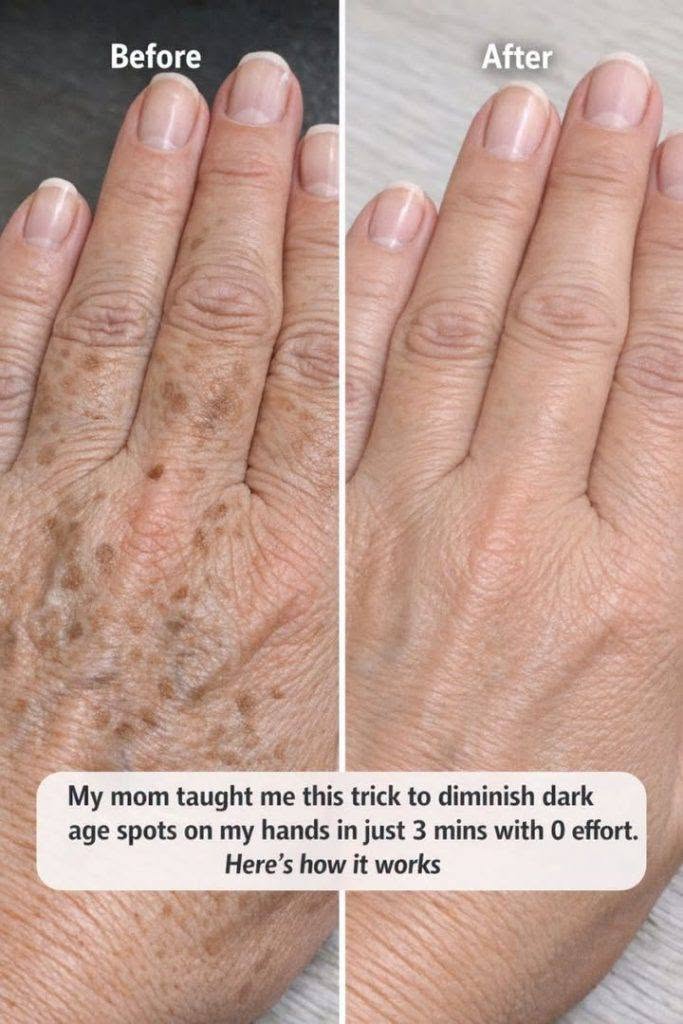
Why your hands show aging faster than the rest of your skin
Your hands are constantly on display—and constantly working. They’re frequently exposed to the environment and used for everyday tasks, so they take a lot more wear and tear over time than many other areas.
Two big contributors show up especially as the years pass:
- Age spots (often called “liver spots”) form after prolonged sun exposure. UV rays increase melanin production, leading to darker patches.
- Crepey skin develops as collagen and elastin—the proteins that help skin stay firm and elastic—start to decline.
On top of that, frequent washing and exposure to chemicals can strip away natural oils, making the skin feel drier and look less smooth.
The single remedy dermatologists commonly rely on: retinol
If there’s one topical ingredient widely trusted for hand rejuvenation, it’s retinol. It’s a derivative of vitamin A and is known for two key effects that matter for aging hands: it boosts cell turnover and supports collagen production.
In practice, dermatologists often recommend a hand cream or serum with 0.5% to 1% retinol to target signs of aging. Results can vary by skin type and how much sun damage is already there.
How retinol works on sun damage, age spots, and texture
1) It fades hyperpigmentation over time
Retinol has exfoliating properties. By encouraging the skin to shed older, damaged cells, it helps gradually lighten dark, uneven areas—so age spots become less noticeable as new, more even-toned skin comes through.
2) It helps support skin structure
Retinol also stimulates fibroblasts, the cells responsible for collagen. When collagen improves, skin can look thicker and more resilient, which helps reduce the crepey appearance and supports a smoother texture.
Scientific research has linked regular retinol use to reductions in fine lines, wrinkles, and pigmentation issues. The takeaway: it’s not a one-night fix—it’s a consistent-treatment ingredient.
