
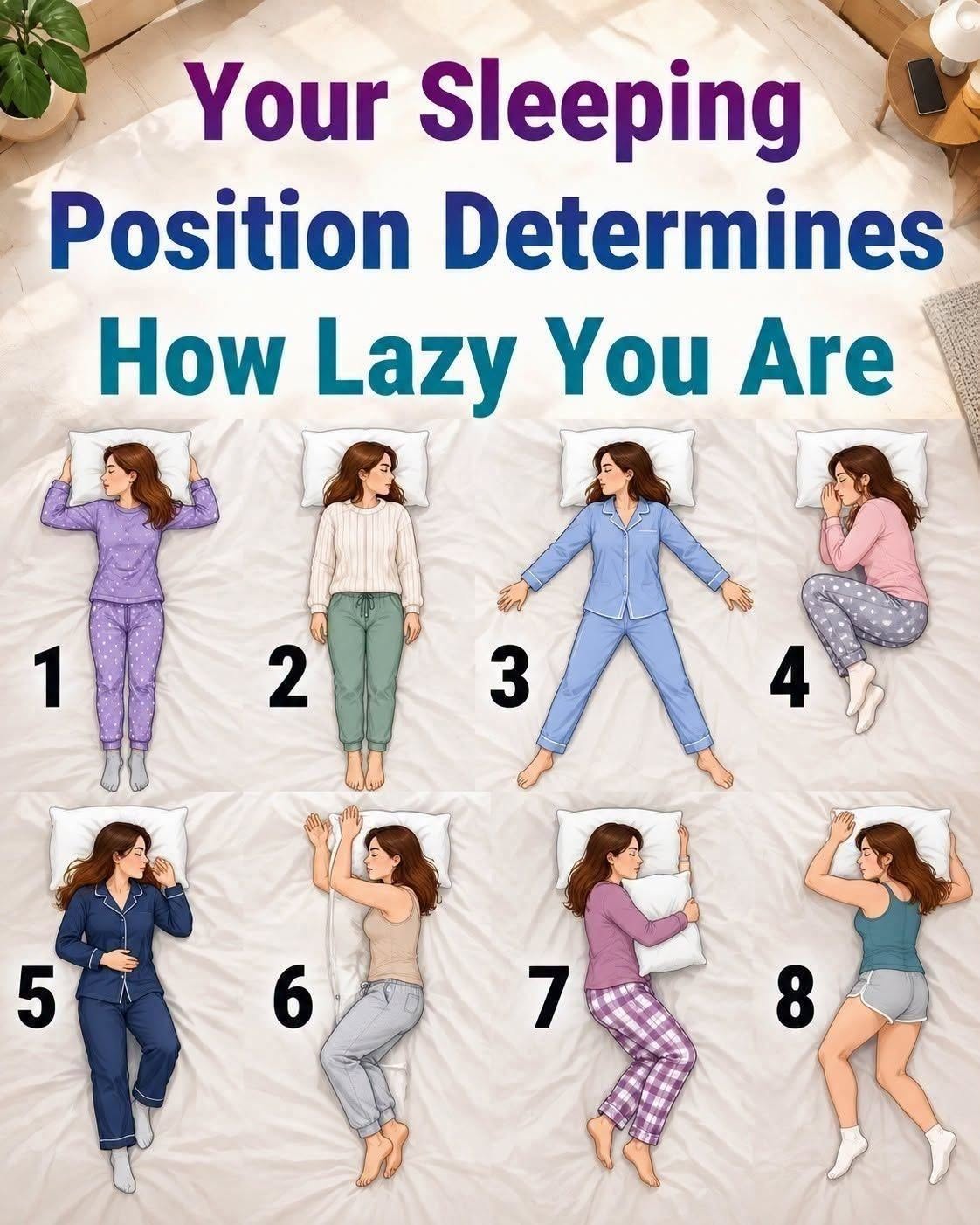
Sleep is a fundamental pillar of human health, recovery, and cognitive function. Across different cultures and generations, people have long been fascinated by the quirks of human behavior—ranging from personality quizzes and visual puzzles to popular social media infographics claiming that sleeping positions can reveal hidden aspects of one’s personality or lifestyle habits. While quirky online quizzes are primarily designed for entertainment and engagement, they spark engaging conversations about sleep habits, posture, and wellness.
Beyond the viral amusement of sleep personality charts, sleep science offers deep insights into physical health, ergonomic comfort, and nighttime recovery. Understanding the medical, psychological, and ergonomic factors associated with various sleeping postures provides practical value for anyone seeking better rest. This comprehensive article explores the science behind sleep positions, the ergonomics of nocturnal posture, health considerations for sleep quality, and the mechanics of digital content monetization.
The Ergonomics of Sleeping Positions: How Posture Affects Rest
Medical professionals and sleep specialists study nighttime postures to understand how body alignment influences spinal health, breathing efficiency, and muscle relaxation. Each sleeping position comes with distinct physiological characteristics.
1. Back Sleeping (Supine Positions)
Sleeping on one’s back (as seen in positions 1, 2, and 3) offers several specific ergonomic characteristics:
Spinal Alignment: Back sleeping distributes body weight evenly across the mattress, minimizing pressure points on the hips and shoulders.
Facial Skin and Wrinkles: Sleeping flat on the back prevents facial skin from being pressed against a pillow, reducing friction lines over time.
Breathing Considerations: Back sleeping can exacerbate conditions like snoring or obstructive sleep apnea due to gravity pulling the tongue and soft palate backward.
2. Side Sleeping (Lateral Positions)
Side sleeping (illustrated in positions 4, 5, 6, 7, and 8) is among the most common resting postures worldwide:
Reduction of Snoring: Lateral sleeping helps keep airways open, significantly reducing snoring compared to supine sleeping.
Spinal Support: Utilizing a supportive pillow between the knees and maintaining proper neck alignment can relieve lumbar and hip strain.
Pregnancy Benefits: Doctors frequently recommend side sleeping (particularly on the left side) during pregnancy to optimize circulatory blood flow to the fetus.
Cognitive Psychology: Why Personality Quizzes Go Viral
Viral infographics that link whimsical traits—such as “how lazy you are”—to everyday habits like sleeping positions thrive on digital platforms due to underlying psychological triggers.
Heuristics and Self-Reflection
The Barnum Effect: People tend to accept vague, general personality descriptions as uniquely applicable to themselves.
Playful Curiosity: Visual quizzes invite readers to compare their personal habits with friends and family, sparking lively comment sections and debate.
Algorithmic Amplification: High comment volume and social sharing signal to recommendation engines that the content is generating active community interest, propelling the post across wider feeds.
Digital Economics and AdSense Monetization
For digital publishers and content creators, lifestyle quizzes and viral infographics are powerful tools for driving website traffic, increasing page views, and maximizing advertising revenue through programmatic networks like Google AdSense.
High-CPC Keywords in Health, Lifestyle, and Insurance
Websites publishing wellness articles, sleep guides, and lifestyle quizzes often integrate high-value commercial and health topics to attract competitive advertiser bidding:
Health and Medical Services: Articles exploring sleep disorders, ergonomics, and physical wellness attract health-related advertisers.
Insurance Solutions: High-traffic informational sites optimize ad yield by balancing lifestyle entertainment content with professional health insurance and disability coverage advertising categories.
Technology and Analytics: Digital platforms utilize advanced analytics to track user engagement, page session duration, and click-through rates.
Practical Tips for Improving Sleep Quality and Posture
Regardless of which sleeping position you naturally gravitate toward, adopting healthy sleep hygiene habits can dramatically improve your nightly rest:
Invest in a Supportive Mattress and Pillow: Choose a mattress firmness and pillow loft that match your primary sleeping posture to maintain neutral spinal alignment.
Maintain Consistent Sleep Schedules: Go to bed and wake up at the same time every day to reinforce your body’s natural circadian rhythm.
Optimize Your Bedroom Environment: Keep your bedroom cool, dark, and quiet to minimize nighttime micro-awakenings.
Limit Screen Time Before Bed: Avoid smartphones, tablets, and bright LED screens for at least an hour before sleep to encourage natural melatonin production.
Fascinating Facts About Sleep and Human Posture
Lifelong Sleeping Habits: Research indicates that adults spend nearly a third of their lives sleeping, yet most people maintain consistent sleeping posture preferences established during childhood.
The Evolution of Viral Infographics: Quirky charts linking daily habits to personality traits have been popular since the era of print magazines, and have evolved into highly shareable digital content in the social media age.
Global Sleep Preferences: Population studies show that side sleeping is the most popular global posture, practiced by over 60% of adults.
Conclusion
While viral infographics playfully suggest that your sleeping position determines your personality or lifestyle habits, true sleep quality is rooted in ergonomics, spinal health, and healthy sleep hygiene. By combining entertaining content with evidence-based wellness tips, publishers can capture audience attention while promoting healthy living across digital platforms.
Frequently Asked Questions (FAQ)
Do sleeping positions actually determine personality traits?
No, personality quizzes linking sleeping positions to traits like laziness are created for entertainment and social media engagement rather than clinical psychology.
Which sleeping position is best for reducing snoring?
Side sleeping is generally recommended to reduce snoring, as it prevents gravity from collapsing the soft palate and tongue against the back of the throat.
How can I improve my spinal alignment while sleeping?
Using a supportive mattress, choosing a pillow that keeps your neck neutral, and placing a pillow between your knees (if side sleeping) or under your knees (if back sleeping) can greatly improve spinal alignment.
How do publishers monetize viral lifestyle content?
Publishers drive high web traffic through social media shares and comments, monetizing page views via automated advertising networks like Google AdSense.
