
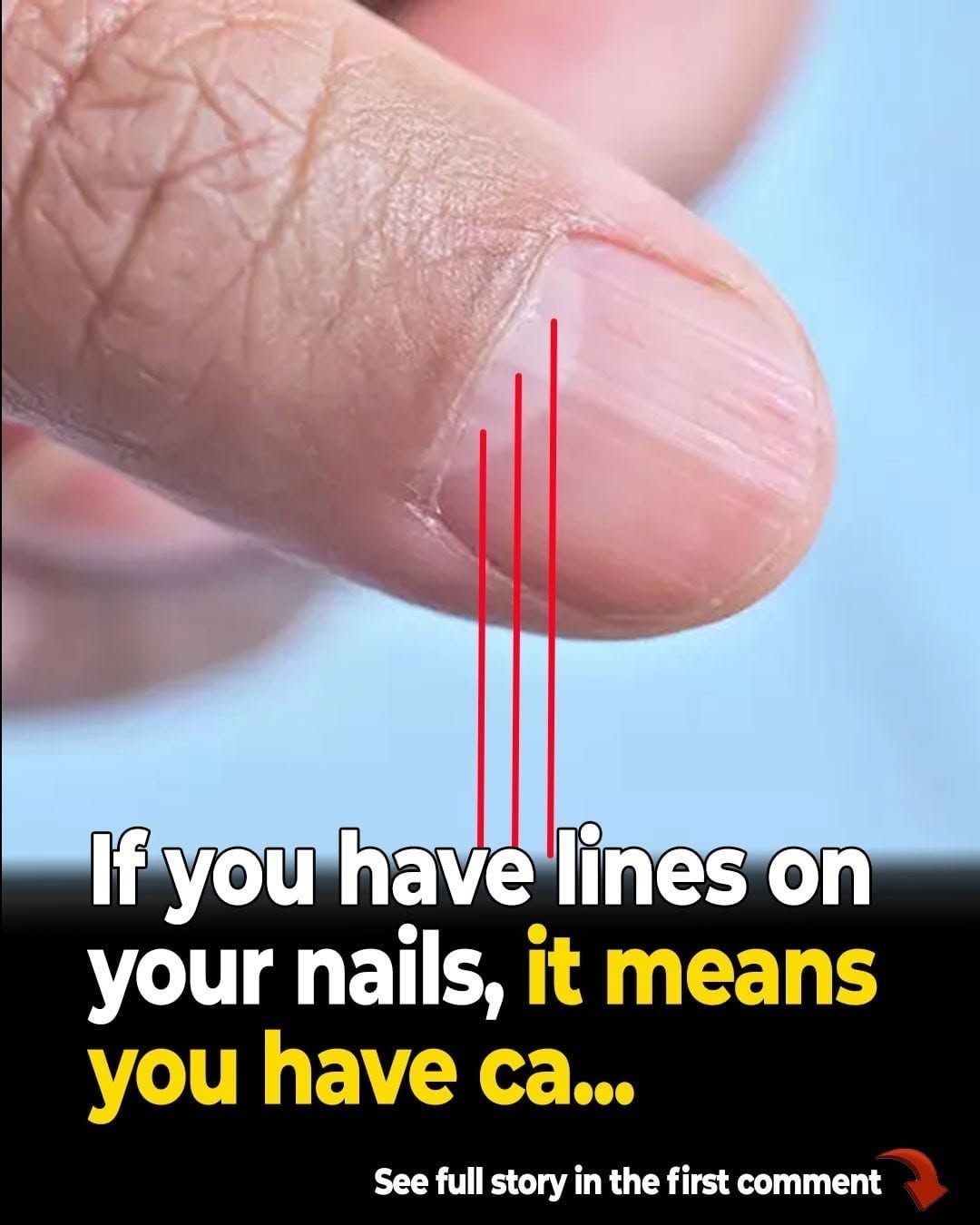
Your fingernails may reveal more about your health than you realize. Changes in nail color, shape, texture, and growth can sometimes provide clues about what is happening inside the body. But can one small feature of your fingernails actually predict your life expectancy?
Online articles have linked this idea to longevity researcher Dr. David Sinclair, sparking curiosity about what people should look for when examining their nails. However, there is an important distinction between a physical feature that may offer health clues and one that can reliably predict how long someone will live.
One feature that often attracts attention is the pale, crescent-shaped area at the base of the fingernail. Known as the lunula, this small half-moon is a normal part of nail anatomy. Understanding what it does—and what it cannot tell you—can help separate useful health information from exaggerated online claims.
What Are the White Half-Moons on Your Fingernails?
The lunula is the light-colored, half-moon-shaped area near the base of the nail, just above the cuticle. It is the visible portion of the nail matrix, the tissue responsible for producing new nail cells.
Lunulae are often easiest to see on the thumbs. On other fingers, they may be smaller or difficult to notice. Some people naturally have more prominent half-moons than others.
Their appearance can vary because of differences in nail anatomy, age, and how much of the nail matrix is visible. Therefore, not seeing a white half-moon on every fingernail is not automatically a reason for concern.
According to the Cleveland Clinic, lunulae are generally a normal anatomical feature, and changes in their appearance need to be considered alongside other symptoms rather than interpreted in isolation.
Can Your Fingernails Predict Your Life Expectancy?
The short answer is that there is no established medical evidence that the size or visibility of the lunula can reliably predict an individual’s life expectancy.
Researchers and healthcare professionals do recognize that certain nail changes may occur alongside medical conditions. For example, changes in nail color or shape can sometimes be associated with nutritional problems or illnesses affecting different parts of the body.
However, these associations are not the same as a reliable longevity test.
A person’s life expectancy is influenced by many factors, including genetics, lifestyle, environmental exposures, access to healthcare, and existing medical conditions. No single nail feature can capture all these influences.
Although Dr. David Sinclair is known for his research and public discussions about aging, the specific claim that he uses his fingernails to determine how quickly he is aging should not be treated as established fact without a reliable source confirming it.
What Can Changes in Your Fingernails Tell You?
Although fingernails cannot provide a dependable estimate of life expectancy, certain changes may be worth discussing with a healthcare professional.
