
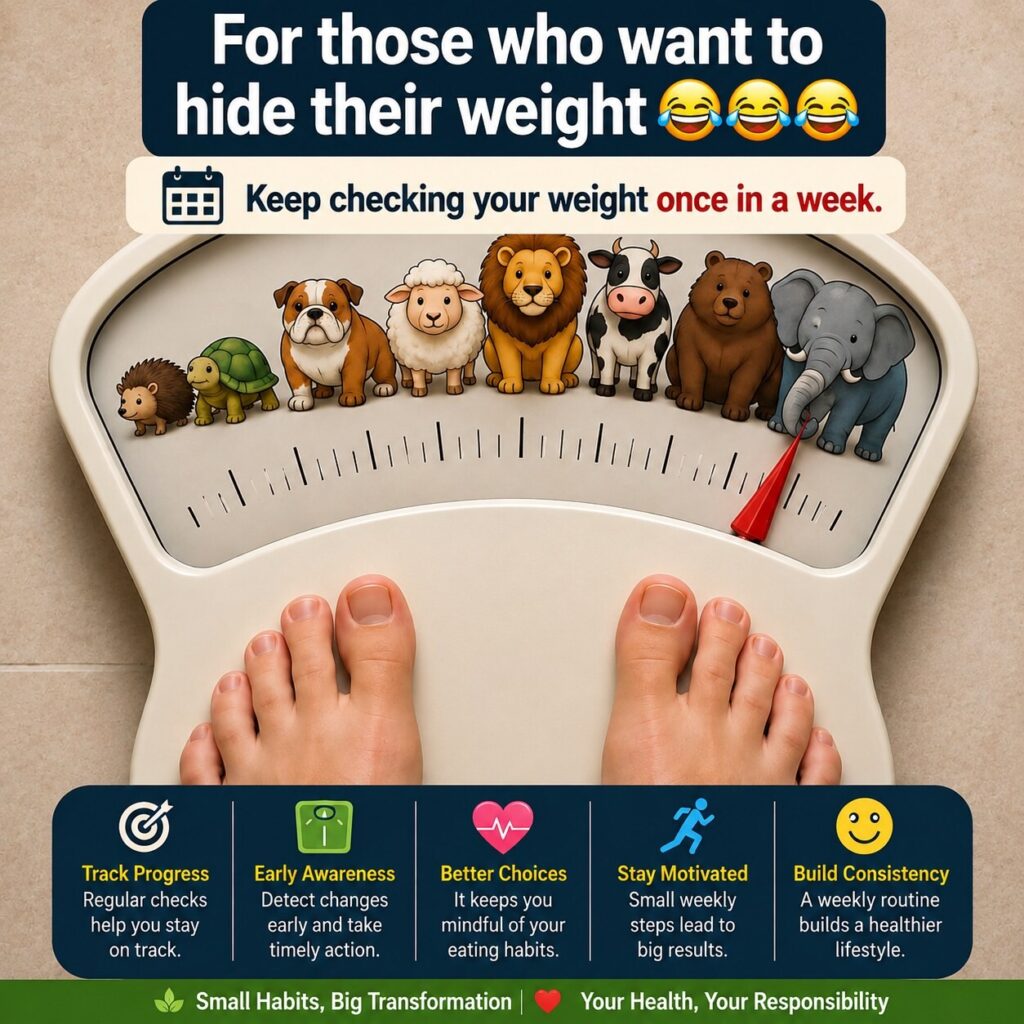
Navigating health, wellness, and weight management can often feel like a complicated journey. Many individuals step on the scale every single day, letting fluctuating numbers dictate their mood and mindset. However, adopting a balanced approach—such as checking your weight once a week—can completely transform your relationship with your health.
Long-term wellness is built on small habits that lead to big transformations. Whether your goals involve improving your physical fitness, managing nutrition, or budgeting for long-term health investments, understanding how to track your progress effectively is crucial.
In this comprehensive guide, we will explore the physical and psychological benefits of weekly weight tracking, examine how daily water retention and hormonal shifts impact scale readings, and outline practical steps to build a sustainable, healthy lifestyle.
The Psychology of Weight Tracking and Consistency
Human psychology plays a massive role in how we respond to self-monitoring. When people first embark on a health journey, they often look for instant validation. Unfortunately, biological weight does not move in a straight line.
Why Daily Weigh-Ins Can Be Misleading
Your body weight can fluctuate by several pounds from one day to the next due to a variety of harmless factors:
Sodium Intake: High-sodium meals cause the body to retain water, temporarily inflating scale numbers.
Glycogen Storage: Carbohydrate intake stores water in muscle tissues.
Hormonal Fluctuations: Natural biological cycles cause fluid shifts.
When you check your weight once a week instead of daily, you smooth out these minor daily variances. This weekly interval gives you a true trend line rather than a confusing snapshot of daily water weight changes.
+—————————+———————————————————–+
| Tracking Frequency | Psychological Impact & Trend Accuracy |
+—————————+———————————————————–+
| Daily Weigh-Ins | High anxiety, frequent frustration over water shifts |
| Weekly Weigh-Ins | Balanced perspective, clear long-term direction |
| Monthly Weigh-Ins | Too infrequent; delays catching minor lifestyle drifts |
+—————————+———————————————————–+
The Five Pillars of Sustainable Weight Management
Effective weight management goes beyond mere numbers on a scale; it requires a structured framework designed to build consistency and foster long-term health.
1. Track Progress Consistently
Regular checks help you stay on track toward your long-term wellness goals. By choosing a consistent day, time (preferably first thing in the morning after using the restroom), and clothing standard, you remove variables and establish reliable data collection habits.
2. Early Awareness and Timely Action
Detecting changes early allows you to take timely action before minor habits compound. If you notice a gradual upward trend over three consecutive weeks, you can gently adjust your meal planning or physical activity before it becomes a larger hurdle.
3. Better Choices Through Mindfulness
It keeps you mindful of your eating habits throughout the week. Knowing that your weekly check-in is approaching encourages conscious decision-making regarding nutrition, portion control, and hydration.
4. Stay Motivated Through Small Steps
Small weekly steps lead to big results. Celebrating micro-victories—such as improved energy levels, better sleep quality, or a stable weight trend—keeps motivation high over the long haul.
5. Build Lifelong Consistency
A weekly routine builds a healthier lifestyle. Health is not a short-term sprint; it is a lifelong commitment to personal responsibility and physical well-being.
Financial and Resource Planning for Long-Term Health
Maintaining a healthy lifestyle often intersects with various personal finance and resource management topics. Just as you budget your finances, managing your health requires strategic planning and investment.
Investing in Preventive Health
Health Insurance and Medical Wellness: Regular checkups and preventive health screenings can catch underlying conditions early, reducing future medical expenses.
Education and Professional Guidance: Investing in professional nutrition counseling, personal training, or educational resources provides high returns on your personal wellness journey.
Retirement and Longevity: Maintaining a healthy body weight and active lifestyle lowers the risk of chronic illnesses later in life, directly supporting a secure, active retirement.
Practical Tips for Your Weekly Weigh-In Routine
To maximize the accuracy and psychological benefits of your weekly tracking routine, consider implementing these structured habits:
Pick a Fixed Day: Choose a consistent day of the week—such as Friday or Monday—to step on the scale.
Keep Conditions Identical: Weigh yourself at the same time of day under the same conditions (e.g., waking up, post-restroom, pre-breakfast).
Focus on Trends, Not Single Numbers: Look at your data over a month-long horizon rather than overreacting to a single week’s reading.
Combine with Non-Scale Victories: Track how your clothes fit, your sleep patterns, and your physical endurance alongside your scale weight.
Interesting Facts About Weight and Metabolism
Water Weight Power: Up to 60% of the human adult body is composed of water, which explains why daily weight can swing by 2 to 5 pounds purely due to fluid shifts.
Muscle vs. Fat Density: Muscle tissue is denser than fat tissue. As you build strength through exercise, your body composition changes even if the scale number remains stable.
Habit Formation: Psychological studies show that routines performed at consistent intervals become automatic behaviors much faster than erratic, daily habits.
Conclusion
Managing your weight does not require obsession or daily anxiety. By shifting your focus to a balanced weekly routine, you foster early awareness, stay motivated through small steps, and build a sustainable, healthier lifestyle. Remember that your health is your responsibility, and consistent, mindful habits will always yield the best long-term results.
Frequently Asked Questions (FAQ)
What is the best day of the week to check my weight?
Many fitness experts recommend Friday morning because it reflects your weekday habits, or Monday morning to capture a weekly average. Consistency matters more than the specific day you choose.
Should I worry if my weight goes up slightly during a weekly check?
Minor fluctuations of 1 to 2 pounds are completely normal and are usually tied to water retention, sodium intake, or digestion rather than fat gain. Look at the multi-week trend instead.
How do I stay motivated when progress feels slow?
Focus on non-scale victories such as how your clothes fit, your energy levels, and your consistency in maintaining healthy routines. Small weekly steps compound into major transformations over time.
