
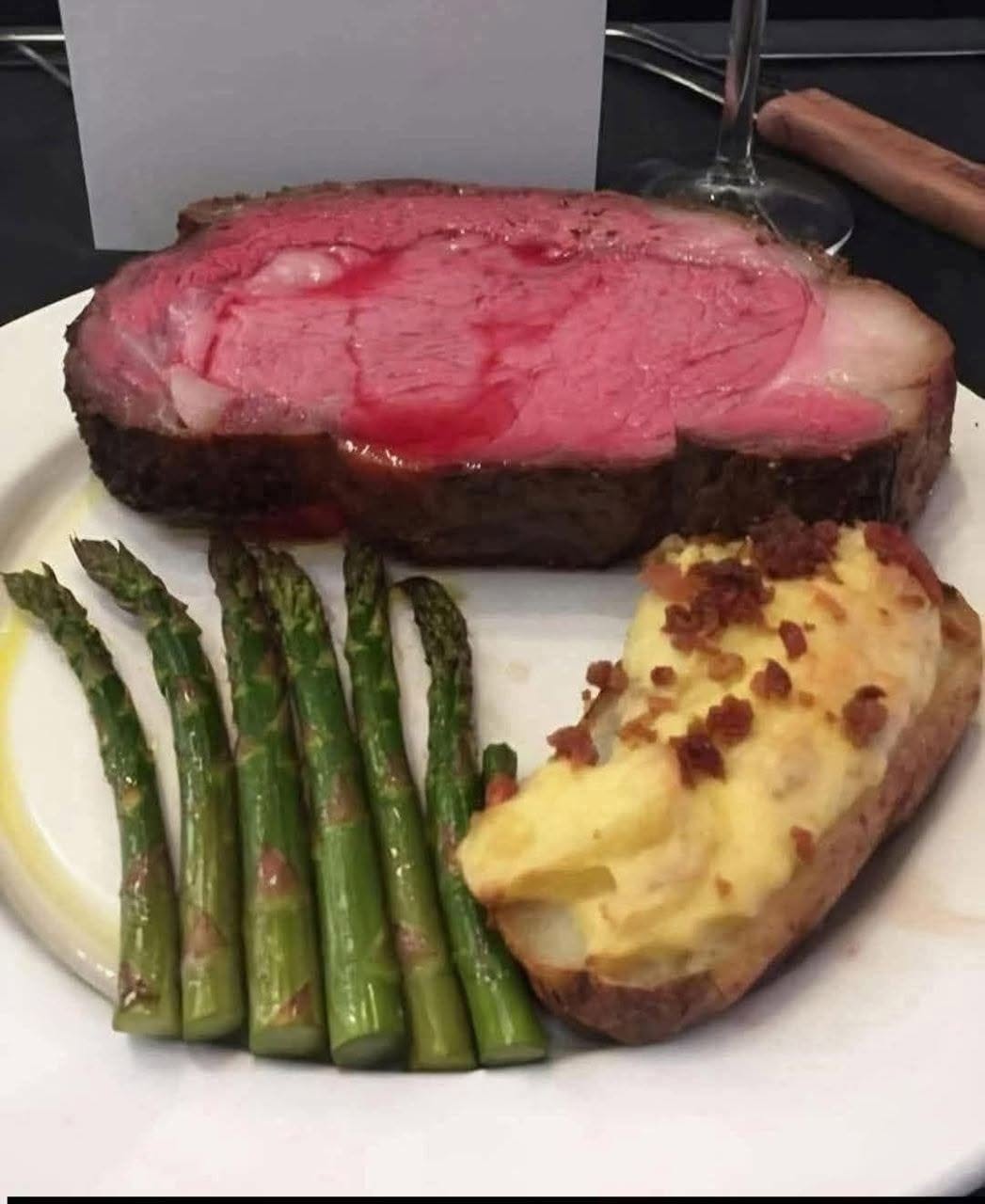
When it comes to celebrated culinary showstoppers, few dishes command as much reverence as a classic, slow-roasted prime rib. Also known as a standing rib roast, this premium cut of beef is legendary for its tender texture, rich marbling, and juicy flavor profile. Traditionally associated with high-end steakhouses, holiday feasts, and upscale dining, mastering the art of roasting prime rib at home is surprisingly accessible when equipped with proper techniques and culinary knowledge.
Achieving steakhouse-quality prime rib requires an understanding of meat selection, seasoning choices, temperature control, and proper resting procedures. In this comprehensive culinary and entertaining guide, we will break down everything you need to know to prepare, roast, and serve a perfect prime rib dinner at home, complete with classical side dishes and wine pairing recommendations.
Understanding Beef Cuts: What Makes Prime Rib So Special?
Prime rib is harvested from the primal rib section of the steer, located between ribs 6 and 12. This specific muscular area receives minimal exercise throughout the animal’s life, resulting in exceptionally tender beef surrounded by an exterior layer of flavorful fat and delicate intramuscular marbling.
“Prime Rib” vs. USDA Prime Grade
A common point of confusion among home cooks is the distinction between the culinary term “prime rib” and the official USDA beef grading system.
The Culinary Name: “Prime rib” refers to the specific anatomical roast cut, regardless of its official USDA quality grade.
USDA Prime Grade: Represents the top 2% to 3% of American beef, characterized by abundant fat marbling that yields maximum tenderness and flavor.
USDA Choice Grade: Highly accessible in standard grocery stores, offering excellent quality, strong flavor, and high tenderness at a more moderate price point.
+——————-+———————————–+———————————–+
| Quality Grade | Marbling & Texture Level | Best Cooking Method |
+——————-+———————————–+———————————–+
| USDA Prime | Abundant marbling, extreme juice | Low & slow roast, reverse sear |
| USDA Choice | Moderate marbling, strong flavor | Low & slow roast with dry brine |
| USDA Select | Lower fat content, leaner profile | Controlled temperature with butter|
+——————-+———————————–+———————————–+
Essential Steps for Preparing Steakhouse-Quality Prime Rib
Preparing an extraordinary prime rib requires patience, precise temperature tracking, and proper seasoning techniques. Following a structured step-by-step approach ensures consistent success every time.
1. The Art of the Dry Brine
One of the most effective culinary secrets for juicy, flavorful beef is dry brining. Apply generous amounts of coarse kosher salt across the entire surface of the roast 24 to 48 hours prior to cooking. Place the seasoned roast uncovered on a wire rack inside the refrigerator.
Deep Flavor Penetration: Salt draws out natural juices, dissolves, and re-absorbs deep into the meat fibers.
Superior Crust Formation: Uncovered refrigeration dries out surface moisture, promoting crisp exterior browning during roasting.
2. High Heat Sear vs. Reverse Sear Method
There are two primary methods for cooking a prime rib roast to perfection:
+—————————+—————————————+—————————————+
| Method | Process Mechanics | Main Culinary Advantage |
+—————————+—————————————+—————————————+
| High-Heat Start | Blast at 450°F (230°C), then drop | Fast exterior crust, classic workflow |
| Reverse Sear | Slow roast at 225°F, blast at end | Edge-to-edge uniform pink center |
+—————————+—————————————+—————————————+
The Reverse Sear Technique (Recommended)
Pre-heat oven to a low temperature of 225°F (107°C) to 250°F (120°C).
Roast the seasoned prime rib slowly until the internal temperature reaches approximately 120°F (49°C) for medium-rare.
Remove the roast from the oven and let it rest loosely under foil for 20 to 30 minutes.
Blast the oven to its highest setting (500°F or 260°C) and return the roast for 8 to 10 minutes to create a deep, caramelized outer crust without overcooking the interior meat.
Temperature Guide for Ideal Doneness
Relying on cooking time alone can lead to overcooking or undercooking beef. Always use a reliable digital probe meat thermometer inserted into the thickest center part of the roast, away from bone structure.
+——————-+———————–+———————–+
| Desired Doneness | Pull Temp from Oven | Final Temp After Rest |
+——————-+———————–+———————–+
| Rare | 115°F (46°C) | 125°F (52°C) |
| Medium-Rare | 120°F – 125°F (51°C) | 130°F – 135°F (57°C) |
| Medium | 130°F – 135°F (57°C) | 140°F – 145°F (63°C) |
| Well-Done | 150°F+ (65°C+) | 160°F+ (71°C+) |
+——————-+———————–+———————–+
Note: The internal temperature of meat continues to rise by 5°F to 10°F while resting due to carryover cooking.
Classic Side Dishes to Complete the Meal
A world-class prime rib deserves classic side dishes that complement its rich, savory profile. Balancing heavy beef cuts with fresh, seasoned vegetables and comforting starches creates a well-rounded dining experience.
1. Perfectly Tender Roasted Asparagus
Fresh green asparagus stalks provide crisp, earthy balance to a rich meat entree. Toss trimmed asparagus in extra virgin olive oil, minced garlic, sea salt, black pepper, and a splash of fresh lemon juice, then roast at 400°F (200°C) for 10 to 12 minutes.
2. Loaded Twice-Baked Potatoes
Twice-baked potatoes offer a luxurious starch pairing. Baked potato skins are hollowed out, mashed with sour cream, sharp cheddar cheese, butter, heavy cream, and chives, then piped back into the skins and baked until golden brown. Top with crispy bacon bits for maximum flavor.
3. Traditional Horseradish Cream and Au Jus
Au Jus: Crafted by deglazing pan drippings with red wine, beef stock, and fresh thyme, then simmering until slightly reduced.
Horseradish Sauce: Blend prepared horseradish, sour cream, heavy cream, a touch of Dijon mustard, and fresh chives for a sharp condiment that cuts through rich beef fat.
Entertaining, Culinary Hospitality, and Financial Wisdom
Hosting a restaurant-quality prime rib dinner at home is an exceptional way to celebrate milestones with family and friends. Beyond creating memorable dining experiences, mastering home culinary skills provides impressive financial benefits compared to dining out at high-end commercial steakhouse chains.
+——————————-+———————————–+———————————–+
| Expense Category | High-End Steakhouse Meal | Home-Cooked Feast (Serves 6) |
+——————————-+———————————–+———————————–+
| Average Total Cost | $600 – $900 (with tip & tax) | $150 – $220 total market outlay |
| Quality Control | Variable restaurant execution | Complete control of temperature |
| Overall Value Ratio | High retail markup | Maximum cost efficiency & leftovers|
+——————————-+———————————–+———————————–+
By sourcing quality cuts during retail sales, managing household food budgets, and utilizing smart entertaining strategies, families can enjoy luxury living while preserving financial resources. Smart lifestyle management allows extra household funds to be directed toward travel experiences, investment accounts, home equity buildup, or retirement savings.
Conclusion
Preparing a breathtaking prime rib dinner at home does not require professional culinary training—just attention to detail, quality ingredients, and accurate temperature management. By dry brining the roast, employing low-temperature slow roasting, and pairing the meat with crisp asparagus and loaded potatoes, you can deliver an unforgettable feast.
Gather your loved ones, invest in a reliable meat thermometer, and elevate your home culinary game with this timeless, crowd-pleasing classic.
Frequently Asked Questions (FAQ)
How many pounds of prime rib do I need per person?
A good rule of thumb is to calculate 1/2 pound per person for bone-in prime rib (or roughly 1 bone for every 2 adults). For boneless prime rib roasts, plan for 1/3 to 1/2 pound per guest to ensure generous portions and leftover potential.
Should I cook prime rib bone-in or boneless?
Bone-in roasts are widely favored by chefs because the bones act as natural insulation, helping the meat cook evenly while retaining moisture and imparting rich flavor to pan drippings. Boneless roasts, however, are easier to slice and require less prep time.
Why is resting the meat so important?
Resting allows muscle fibers that tightened during cooking to relax and re-absorb liquid juices throughout the roast. Cutting into beef immediately after removing it from heat causes delicious natural juices to spill out onto the cutting board, leaving the meat dry.
Can I make the side dishes ahead of time?
Yes! Twice-baked potatoes can be prepared, stuffed, and refrigerated a day in advance, requiring only a final bake before serving. Asparagus can be trimmed and seasoned ahead of time, ready to pop into the oven while the prime rib rests.
