
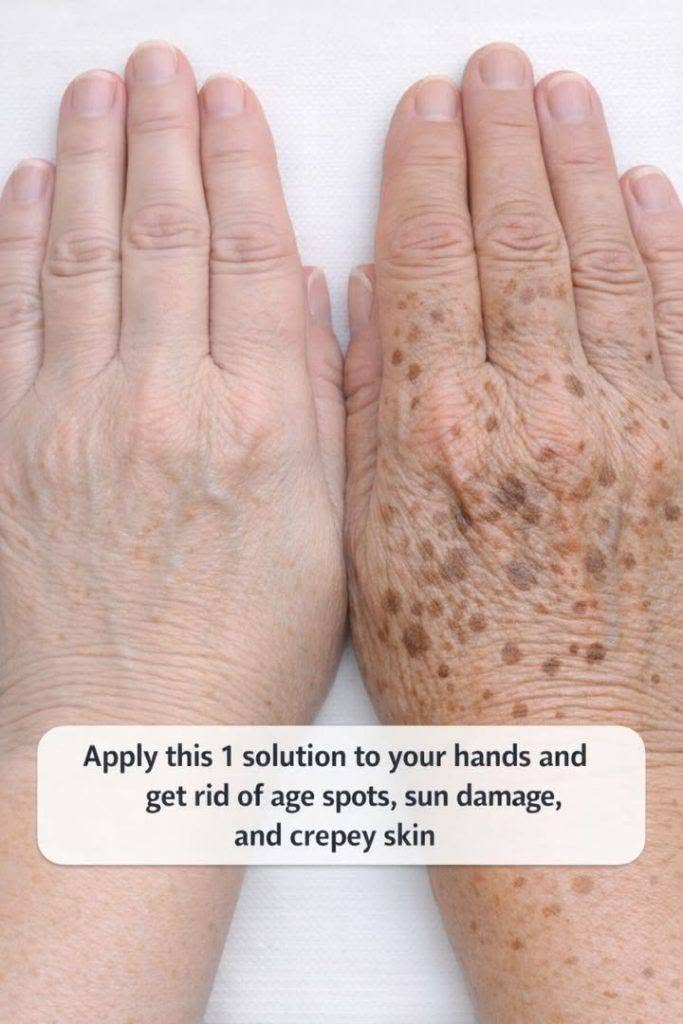
The skin on the back of your hands is among the thinnest and most exposed tissue on your body. Constant exposure to ultraviolet (UV) radiation, environmental pollutants, frequent handwashing, and natural aging gradually degrades structural collagen and elastin, leading to hyperpigmentation (age spots), sun damage, and thin, crepey skin.
While viral online posts often promote “miracle home remedies” promising to erase years of skin aging overnight, restoring hand skin requires proven dermatological care, daily sun protection, targeted topical ingredients, and consistent skincare routines.
In this comprehensive hand skincare guide, we explore the biology of skin aging, separate common skincare myths from clinical facts, review effective dermatological treatments, examine healthcare considerations, and share practical daily care strategies.
The Science of Hand Skin Aging: Why Damage Occurs
Understanding the biological mechanisms behind skin changes on the hands helps in selecting effective skincare treatments.
Collagen Degradation and Elasticity Loss
Collagen and elastin fibers form the structural framework of the dermis. As skin ages, natural collagen production decreases by roughly $1\%$ each year after age $20$. Cumulative UV radiation accelerates this process via photoaging, breaking down dermal elasticity and causing the skin to become loose, fragile, and crepey in texture.
Hyperpigmentation and Age Spots (Lentigines)
Solar lentigines—commonly called age spots or liver spots—are flat, brown or dark spots caused by localized overproduction of melanin pigment. Sunlight triggers melanocytes (pigment-producing cells) to manufacture excess melanin to shield deeper skin layers, leading to concentrated hyperpigmentation over time.
Common Myths vs. Clinical Reality
Navigating skincare claims requires separating viral social media trends from scientific evidence.
+————————————+———————————————————–+
| Popular Myth | Clinical Reality |
+————————————+———————————————————–+
| Lemon Juice Erases Age Spots | Citric acid causes photosensitivity and skin irritation |
| Crepey Skin Is Permanently Irreversible| Topical retinoids and lasers improve skin thickness |
| Sunscreen Is Only Needed in Summer| UV rays penetrate clouds and windows year-round |
| Exfoliating Daily Removes Pigment | Over-exfoliating damages the skin barrier and worsens spots|
+————————————+———————————————————–+
Myth 1: Lemon Juice and DIY Acids Easily Fade Hyperpigmentation
Applying raw citrus juices to the skin introduces high acidity that disrupts the delicate skin barrier. Furthermore, exposure to sunlight after applying citrus juice can trigger severe phytophotodermatitis, causing painful blistering and long-lasting hyperpigmentation.
Myth 2: Sunscreen Is Optional for Your Hands
The hands are constantly exposed to UV light while driving, walking, and working near windows. Without daily broad-spectrum sun protection, topical anti-aging products cannot effectively repair existing sun damage.
Evidence-Based Ingredients and Clinical Treatments
Restoring texture and fading dark spots requires ingredients and procedures proven by dermatological science.
+———————————-+———————————-+————————————+
| Treatment / Ingredient | Primary Mode of Action | Typical Results Timeline |
+———————————-+———————————-+————————————+
| Broad-Spectrum SPF 30+ | Blocks UV-A and UV-B radiation | Prevents new spots immediately |
| Topical Retinoids (Retinol) | Stimulates collagen & cell turnover| 8 to 12 Weeks |
| Vitamin C & Niacinamide | Inhibits melanin synthesis | 6 to 10 Weeks |
| Intense Pulsed Light (IPL) Laser | Target and breaks down melanin | 1 to 3 Clinical Sessions |
+———————————-+———————————-+————————————+
1. Broad-Spectrum Sunscreen
Daily application of broad-spectrum SPF $30$ or higher is the single most important step in protecting skin on the hands. Look for formulations containing zinc oxide or titanium dioxide for durable physical protection.
2. Topical Retinoids
Retinoids (such as prescription tretinoin or over-the-counter retinol) boost epidermal cell turnover and stimulate dermal collagen synthesis. Over time, regular use smooths crepey texture and evens out skin tone.
3. Chemical Exfoliants and Brighteners
Alpha-hydroxy acids (AHAs) like glycolic acid and lactic acid gently exfoliate dead surface cells. Paired with brighteners like Vitamin C, niacinamide, and kojic acid, they help fade dark spots safely.
Medical Guidelines: When to Consult a Dermatologist
Not all dark spots are harmless age spots. Having skin changes evaluated by a board-certified dermatologist ensures proper care and safety.
Asymmetrical or Irregular Spots: If a dark spot exhibits asymmetrical borders, multiple colors, dynamic growth, or a diameter larger than a pencil eraser, have it evaluated to rule out skin cancer or melanoma.
Persistent Itching or Bleeding: Any spot that bleeds, oozes, crusts over, or fails to heal requires prompt medical evaluation.
Financial Considerations: Skincare Budgets and Professional Care
Achieving healthier hand skin involves choosing between over-the-counter maintenance and professional dermatological procedures.
Over-the-Counter Care: Quality sunscreen, moisturizers containing ceramides, and retinol serums offer cost-effective daily care, typically ranging from $15$ to $40$ per product.
In-Office Procedures: Professional treatments like IPL photofacials, chemical peels, and laser resurfacing cost between $200$ and $600$ per session and require out-of-pocket payment, as cosmetic skin treatments are not covered by health insurance.
HSA/FSA Eligibility: Prescribed dermatological treatments for underlying skin conditions or prescription topical medications may qualify for Health Savings Account (HSA) or Flexible Spending Account (FSA) reimbursement under medical guidance.
Fascinating Facts About Human Skin and Aging
Thinnest Epidermis: The skin on the back of the hand is among the thinnest on the body, making underlying blood vessels and structural changes easily visible as subcutaneous fat declines.
Cumulative Exposure: By age $50$, your hands have experienced tens of thousands of hours of ambient sun exposure compared to covered body areas.
Barrier Function: Continuous exposure to hot water, harsh hand soaps, and alcohol-based sanitizers strips natural lipids, accelerating moisture loss and making hand skin look more crepey.
Practical Daily Tips to Protect Your Hands
Incorporate these easy habits into your daily routine to preserve youthful hand skin:
1. Reapply Sunscreen After Handwashing
Keep a travel-sized bottle of broad-spectrum SPF $30+$ sunscreen next to every sink in your home and workspace. Reapply after washing your hands to maintain continuous protection.
2. Wear Protective Gloves
Wear heavy-duty rubber gloves when washing dishes or handling household cleaning chemicals, and wear gardening gloves during outdoor yard work to protect skin from physical abrasions and moisture stripping.
3. Layer Hydration and Occlusives
Apply a thick, ceramide-rich hand cream immediately after washing while skin is still slightly damp. Lock in deep hydration overnight by applying a thin layer of petroleum jelly or an occlusive ointment over your hand cream before bed.
Conclusion
Fading age spots, repairing sun damage, and smoothing crepey skin on your hands requires a consistent, science-backed skincare approach rather than quick-fix promises. By committing to daily broad-spectrum sun protection, utilizing proven active ingredients like retinoids and Vitamin C, and keeping skin deeply hydrated, you can significantly improve the texture, tone, and overall health of your hands.
Frequently Asked Questions (FAQ)
1. How long does it take to fade age spots on the hands?
Consistent daily use of topical brighteners (like Vitamin C, niacinamide, and retinoids) along with sunscreen typically yields visible improvements in 8 to 12 weeks. Professional laser treatments like IPL offer faster results, often within 1 to 3 sessions.
2. Can crepey skin on the hands be reversed completely?
While skin elasticity cannot be restored to youthful levels entirely without cosmetic procedures, topical retinoids, rich moisturizers, and dermal hydration can significantly thicken the epidermis and smooth out crepey texture over time.
3. Does hand sanitizer cause age spots?
No. Hand sanitizer does not cause melanin overproduction or age spots. However, alcohol-based sanitizers can dry out the skin barrier, making crepey texture and fine lines appear more pronounced if skin is not properly moisturized.
4. Are chemical peels safe for the hands?
Yes, when performed by a licensed dermatologist or trained aesthetician. Mild glycolic acid or trichloroacetic acid (TCA) peels safely exfoliate surface hyperpigmentation and stimulate cell renewal on the back of the hands.
