
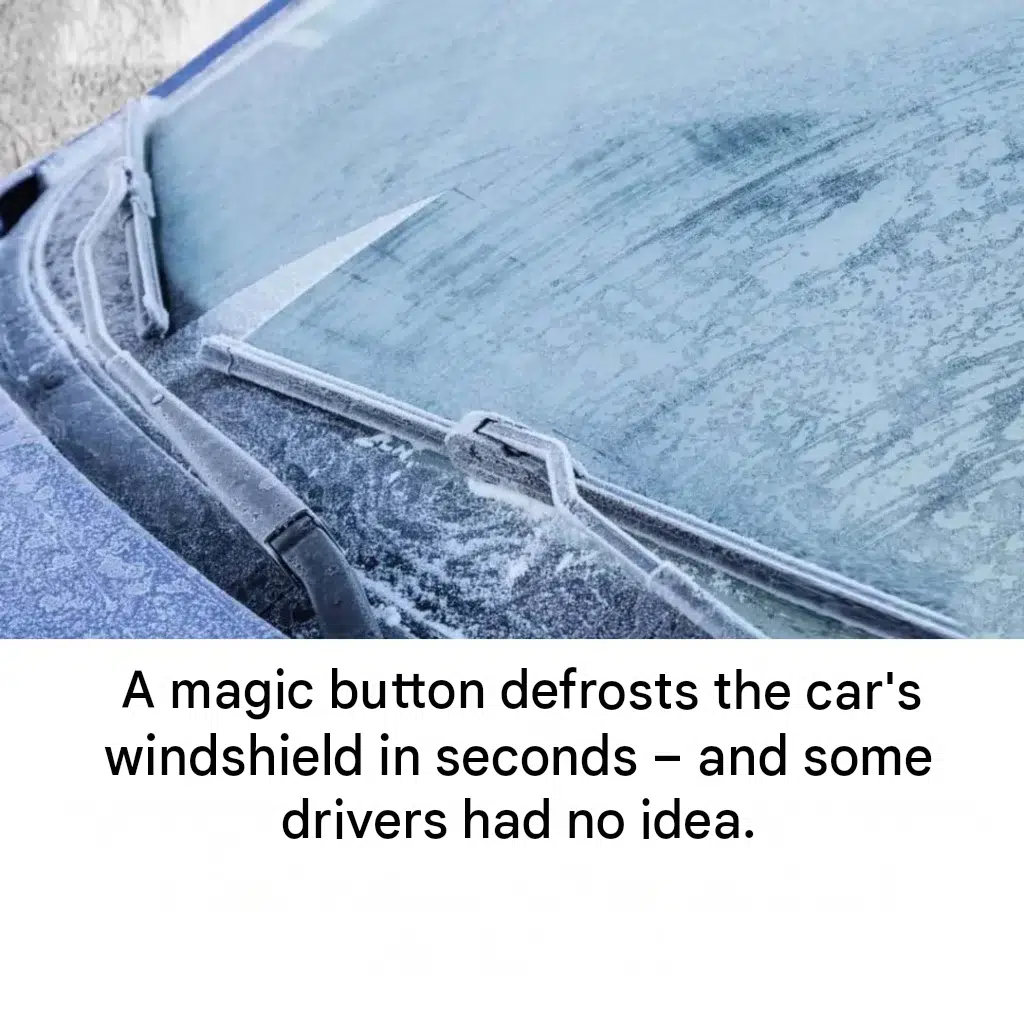
Waking up on a freezing winter morning to find your car windshield encased in a thick layer of frost or ice is one of the most frustrating parts of the daily commute. For many drivers, the immediate routine involves bundling up in heavy coats, stepping out into the cold, starting the engine, and spending 15 agonizing minutes scraping ice or waiting with the heater blasting.
However, many motorists are completely unaware that modern vehicles feature specialized climate control settings and hidden “magic buttons” designed to clear frosted windshields rapidly and efficiently. Understanding how your car’s ventilation, air conditioning, and defrost systems work together can save you time, improve road safety, and reduce fuel waste on cold mornings. In this complete guide, we explore the mechanics behind vehicle defrosters, smart winter driving tips, and how proper vehicle maintenance protects both your car and your peace of mind.
The Science of Windshield Frost and Condensation
Before looking at how modern defroster buttons work, it helps to understand why frost forms on your car windows overnight. When temperatures drop below freezing, moisture in the air—or residual humidity inside the vehicle cabin—condenses onto the cold glass surface and instantly freezes into ice crystals.
Many drivers make the mistake of turning on the car heater immediately and setting the airflow to recirculate cabin air. Because human breath contains a high amount of moisture, recirculating air actually introduces more humidity into the car, causing windows to fog up or refreeze faster. Effective defrosting requires removing moisture from the air, not just raising the cabin temperature.
What Is the “Magic Button” and How Does It Work?
While vehicles vary by make and model, the ultimate defrosting sequence relies on a combination of specific climate settings often activated by a dedicated Max Defrost or front window defrost button.
1. The Front Defrost Icon
Look at your dashboard climate control panel for a button featuring an icon of a windshield with wavy upward-pointing arrows. Pressing this button triggers several automated actions simultaneously:
Engages the Air Conditioning (A/C) Compressor: Even though it is freezing outside, turning on the A/C acts as a powerful dehumidifier. It draws moisture out of the air before blowing it against the glass.
Directs Maximum Airflow to the Base of the Windshield: Air vents located directly beneath the windshield sweep warm, dry air across the interior glass surface.
Switches to Fresh Air Intake: The system automatically stops recirculating cabin air and pulls dry, cold air from outside, heating it rapidly.
2. Rear Window and Mirror Defrosters
A separate button—usually represented by a rectangle with wavy horizontal arrows—activates the electric grid lines embedded in the rear glass and heated side mirrors. Tiny electrical resistance wires run through the glass, generating localized heat that melts ice and clears condensation within seconds.
Financial and Insurance Considerations for Winter Driving
Winter weather introduces unique financial and legal responsibilities for vehicle owners. Managing seasonal maintenance properly protects you from unexpected expenses.
1. Auto Insurance and Windshield Damage
Comprehensive Coverage: Aggressive ice scraping using metal instruments, old credit cards, or sharp tools can accidentally scratch or crack your windshield. Review your auto insurance policy to see if your plan includes glass coverage with zero or low deductibles.
Accident Prevention: Clear visibility is legally required in most jurisdictions. Driving with a tiny “peephole” scraped into a frosted windshield severely limits your field of vision, increasing the risk of collisions that could impact your insurance rates or lead to traffic citations.
2. Fuel Economy and Idling Costs
Leaving your car idling in the driveway for 20 minutes every morning to melt ice consumes unnecessary fuel and increases engine wear. Using the proper defrost settings while driving gently allows the engine to warm up faster under load, saving fuel and reducing emissions.
Essential Winter Car Maintenance Tips
To ensure your defroster and heating systems operate at peak efficiency when temperatures plummet, keep these maintenance practices in mind:
Replace Cabin Air Filters: A clogged or dirty cabin air filter restricts airflow to your windshield, rendering your defroster sluggish and inefficient. Replace this filter annually.
Check Antifreeze and Coolant Levels: Your vehicle’s heating system relies on hot coolant flowing from the engine core into the heater matrix. Low coolant levels mean weak heat inside the cabin.
Inspect Windshield Wipers: Old, cracked rubber wiper blades can smear melting frost across your glass. Replace wiper blades before the winter season begins.
Practical Steps to Defrost Your Car Faster
Clear Loose Snow First: Use a soft-bristle snow brush to sweep heavy snow off the roof, hood, and windshield before turning on the defroster to prevent snow from sliding down into your vents.
Activate Max Defrost: Turn on your front defroster button and adjust the blower fan to high speed.
Use a Safe Ice Scraper: If ice is particularly thick, use a plastic ice scraper or a commercial de-icing spray rather than pouring boiling water on the windshield (which can crack the glass due to extreme thermal shock).
Drive Off Promptly Once Clear: Modern fuel-injected engines do not need extended idling. Once your windshield is clear and your mirrors are visible, drive away smoothly to help the engine reach operating temperature faster.
Fascinating Facts About Vehicle Climate Control
The Invention of Defrosters: Early automobiles had no built-in defrosters; drivers had to rely on chemical anti-fog panes, salt bags, or hand-operated windshield wipers during snowstorms.
A/C in Winter: Many drivers turn off their A/C button during winter, believing it is only for summer cooling. Keeping the A/C compressor operational is actually the secret weapon to preventing foggy windows year-round.
Heated Windshield Technology: Premium modern vehicles feature microscopic, invisible tungsten wires embedded directly inside the laminated windshield glass, allowing the entire front window to melt ice electrically in under a minute without relying solely on hot air vents.
Conclusion
Knowing how to properly utilize your vehicle’s defrost buttons transforms a stressful winter morning routine into a quick, seamless process. By leveraging the built-in dehumidifying power of your vehicle’s air conditioning system, avoiding unnecessary engine idling, and maintaining clean filters and wiper blades, you ensure maximum visibility and safety on the road.
Frequently Asked Questions (FAQ)
Why does turning on the A/C help defrost the windshield faster?
Air conditioning acts as a natural dehumidifier. By passing incoming air over chilled evaporator coils, the system extracts moisture from the air. Blowing dry air against a cold windshield removes interior condensation and melts frost much faster than humid air.
Is it safe to pour warm water on a frozen windshield?
No. Pouring warm or hot water on a freezing cold windshield causes rapid thermal expansion, which can instantly crack or shatter the glass due to the extreme temperature difference.
Why do my car windows keep fogging up in the winter?
Windows fog up when warm, humid air inside the car hits cold glass. This usually happens when too many passengers are inside, wet clothing is in the car, or the climate control system is set to recirculate moist cabin air instead of pulling in fresh outdoor air.
What should I do if my defroster is not blowing hot air?
If your defroster blows cold air after the engine has warmed up, it may indicate low coolant levels, a stuck thermostat, or a malfunctioning heater core valve. Have a professional mechanic inspect your cooling system.
