
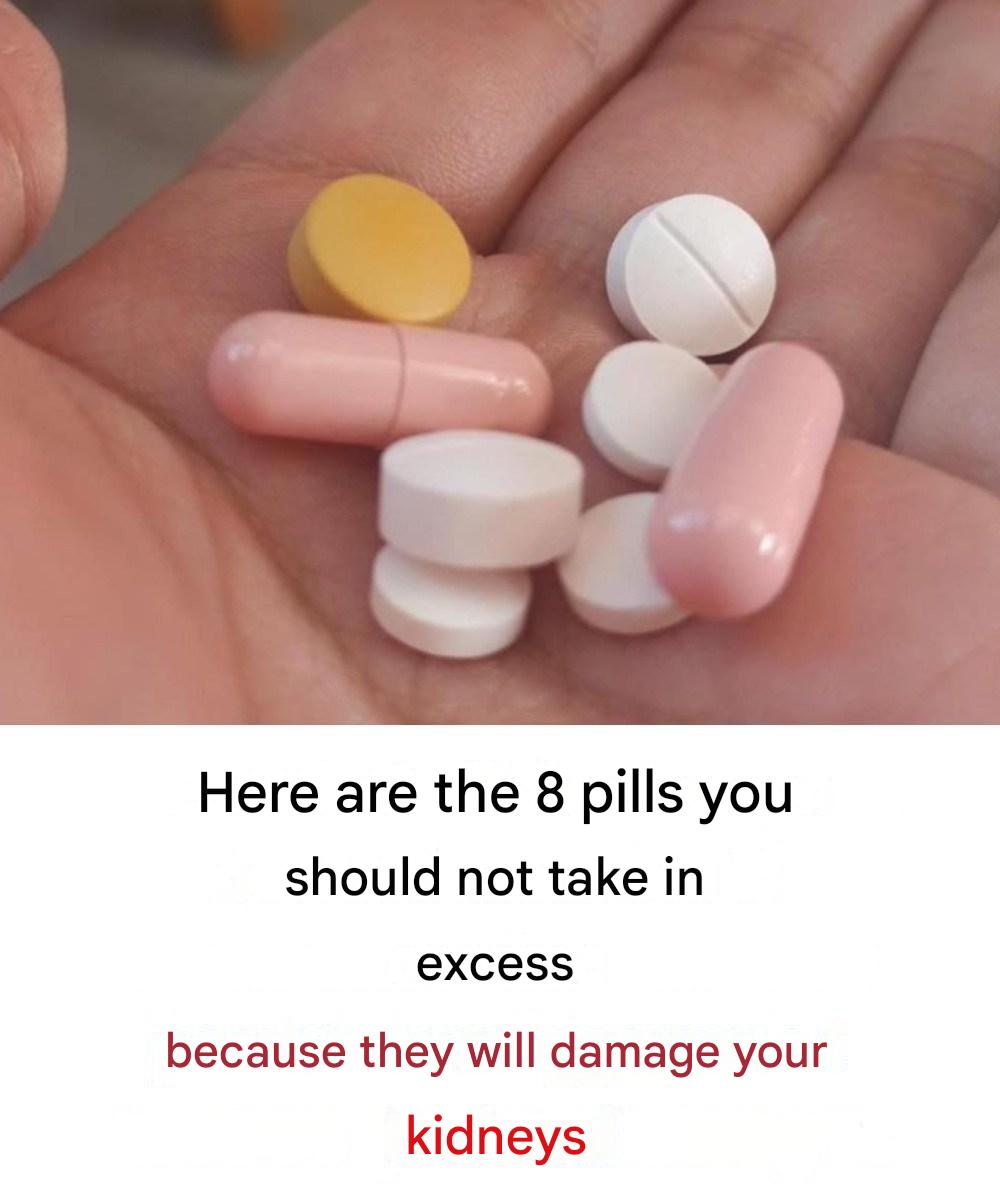
The kidneys process and filter fluid from the bloodstream continuously, eliminating metabolic waste products while retaining essential electrolytes and proteins. Because nearly all pharmaceuticals or their metabolized byproducts pass directly through the microscopic filtering units (nephrons) of the kidneys, certain drug classes can induce nephrotoxicity—drug-induced renal injury or dysfunction—when taken in excessive doses or over prolonged periods.
While many over-the-counter (OTC) and prescription medications are safe when used strictly as directed, unmonitored excessive intake can impair blood flow to renal tissues, trigger interstitial inflammation, or cause direct cellular damage within delicate tubules.
This comprehensive guide details 8 major medication types linked to potential kidney damage, drug risk comparison tables, step-by-step medication safety guidelines, and practical advice on household budgeting and health insurance protection.
The Biological Science: Renal Blood Flow and Drug Nephrotoxicity
+———————————————————————–+
| DRUG-INDUCED NEPHROTOXICITY PATHWAY |
+———————————————————————–+
| 1. DRUG EXCESS –> High concentration of active metabolites |
+———————————————————————–+
|
v
+———————————————————————–+
| 2. RENAL VASOCONSTRICT–> Reduces glomerular blood flow & filtration |
+———————————————————————–+
|
v
+———————————————————————–+
| 3. TUBULAR DAMAGE –> Accumulates toxins; lowers eGFR filtration |
+———————————————————————–+
1. Altered Glomerular Hemodynamics
Certain medications—such as Non-Steroidal Anti-Inflammatory Drugs (NSAIDs)—inhibit prostaglandins, chemical messengers that keep renal arteries open. Restricting these blood vessels reduces renal blood flow, causing acute tissue ischemia and compromised filtration.
2. Acute Interstitial Nephritis (AIN)
High or prolonged exposure to specific antibiotics, proton pump inhibitors, and diuretics can provoke an allergic inflammatory reaction within the kidney’s structural tissues (interstitial nephritis), impairing fluid clearance.
3. Direct Tubular Cell Toxicity
Heavy reliance on certain high-dose pain relievers or specialized therapeutic drugs can cause direct oxidative toxicity inside renal tubular epithelial cells, leading to acute tubular necrosis or accelerated chronic kidney disease (CKD) progression.
8 Medications and Supplements to Monitor Carefully
1. Over-the-Counter NSAIDs (Ibuprofen, Naproxen)
Chronic or high-dose usage of Non-Steroidal Anti-Inflammatory Drugs restricts prostaglandin production, blunting blood flow to renal filters and increasing the risk of acute kidney injury.
2. High-Dose Acetaminophen (Paracetamol)
While generally safer for kidneys than NSAIDs at standard recommended dosages, excessive daily intake or long-term over-use can generate toxic metabolic byproducts that stress both liver and kidney tissues.
3. Proton Pump Inhibitors (PPIs for Acid Reflux)
Long-term, unmonitored use of prescription or OTC acid reflux medications (such as omeprazole or esomeprazole) is clinically associated with interstitial kidney inflammation and gradual nephron decline.
4. Certain Antibiotics (e.g., Aminoglycosides & Fluoroquinolones)
Potent antibiotics used for severe bacterial infections can cause direct tubular toxicity if dosage levels are not adjusted precisely based on body weight and pre-existing renal function.
5. Overused Laxatives and Enemas (Sodium Phosphate Formulations)
Frequent use of oral or rectal sodium phosphate laxatives can cause sudden electrolyte imbalances and calcium phosphate crystal deposition within kidney tubules (acute phosphate nephropathy).
6. Diuretics (“Water Pills” in Excess)
Prescription diuretics help manage high blood pressure and fluid retention, but taking excessive amounts can lead to severe dehydration, reduced circulating blood volume, and elevated blood urea nitrogen (BUN).
7. Unregulated Dietary Supplements & High-Dose Herbal Extracts
Certain high-dose herbal supplements or weight-loss pills containing unverified compounds (such as aristolochic acid or excessive synthetic extracts) can cause severe, irreversible renal fibrosis.
8. High-Dose Vitamin C & Calcium Supplements
Taking excessive daily doses of Vitamin C (typically over 2,000 mg daily) can lead to increased urinary oxalate excretion, significantly raising the risk of painful kidney stone formation and tubule blockage.
Medication Renal Risk Comparison Table
+——————–+———————–+———————–+
| Medication Class | Primary Mechanism | Safety Strategy |
+——————–+———————–+———————–+
| OTC NSAIDs | Impairs Renal Blood Flow Use Lowest Dose Short-Term|
| Proton Pump Inhib. | Interstitial Inflammation Monitor eGFR Annually |
| High-Dose Vit. C | Oxalate Stone Formation Limit Daily Megadoses |
| Diuretics in Excess| Severe Dehydration | Track Fluid Intake |
+——————–+———————–+———————–+
Step-by-Step Instructions: How to Safely Manage Your Medications
Crucial Medical Notice: Never stop taking a prescribed medication without consulting your primary healthcare provider. Follow these practical steps to safeguard your kidney health:
+———————————————————————–+
| MEDICATION SAFETY CHECKLIST |
+———————————————————————–+
| Step 1: Keep a detailed list of all OTC drugs, supplements, & pills. |
| Step 2: Drink adequate fresh water when taking daily medications. |
| Step 3: Never exceed maximum daily dosage limits listed on labels. |
| Step 4: Request annual eGFR & creatinine kidney screening bloodwork. |
| Step 5: Ask your pharmacist to review your drug list for interactions.|
+———————————————————————–+
Maintain a Complete Medication Log: Record every prescription drug, OTC pain reliever, vitamin, and herbal supplement you take regularly, including dosage amounts and frequency.
Never Exceed Maximum Daily Doses: Always read product packaging carefully. For pain relief, use the lowest effective dose for the shortest possible duration rather than taking daily maximums continuously.
Stay Properly Hydrated: Adequate daily water intake ensures smooth renal blood flow and helps your kidneys flush out drug metabolites efficiently without concentrated toxicity.
Schedule Annual Kidney Screening: Ask your physician for routine eGFR (estimated Glomerular Filtration Rate) and serum creatinine blood tests during annual checkups, especially if you take daily long-term prescriptions.
Consult Your Pharmacist or Doctor: Before adding a new OTC medication, allergy pill, or dietary supplement to your daily routine, ask your pharmacist to check for potential drug-drug or drug-kidney interactions.
Home Management, Household Budgeting, and Financial Health
Proactive medication safety directly protects long-term organ health, avoiding high medical expenses and supporting family financial stability.
Smart Home Budgeting & Healthcare Savings
Avoiding unmonitored over-use of daily OTC drugs prevents severe kidney complications, avoiding expensive specialist care, emergency hospitalizations, and costly dialysis treatments. Managing your monthly personal care and pharmacy budget intentionally enables families to preserve capital to build emergency savings accounts, pay off high-interest credit card debt, or allocate funds toward long-term financial investments.
Renal Care, Health Insurance, and Medicare Benefits
Annual kidney function bloodwork, medication reviews, and specialist consultations are heavily covered under primary health insurance policies and Medicare. Utilizing preventative healthcare coverage minimizes out-of-pocket medical bills while safeguarding both physical well-being and personal financial peace of mind.
Frequently Asked Questions (FAQ)
Is acetaminophen safer for kidneys than ibuprofen?
Yes. At recommended OTC doses, acetaminophen is generally considered safer for individuals with mild kidney sensitivity because it does not restrict renal artery blood flow in the same manner as NSAIDs like ibuprofen or naproxen.
Can kidney damage from medications be reversed?
In many cases, acute kidney strain caused by recent medication over-use improves once the offending drug is safely discontinued or substituted under medical supervision before permanent tissue scarring occurs.
Conclusion
Protecting your kidney filters requires mindful medication management. Review your daily pills with your doctor or pharmacist, avoid excessive OTC dosing, stay hydrated, and safeguard your long-term renal health today!
