
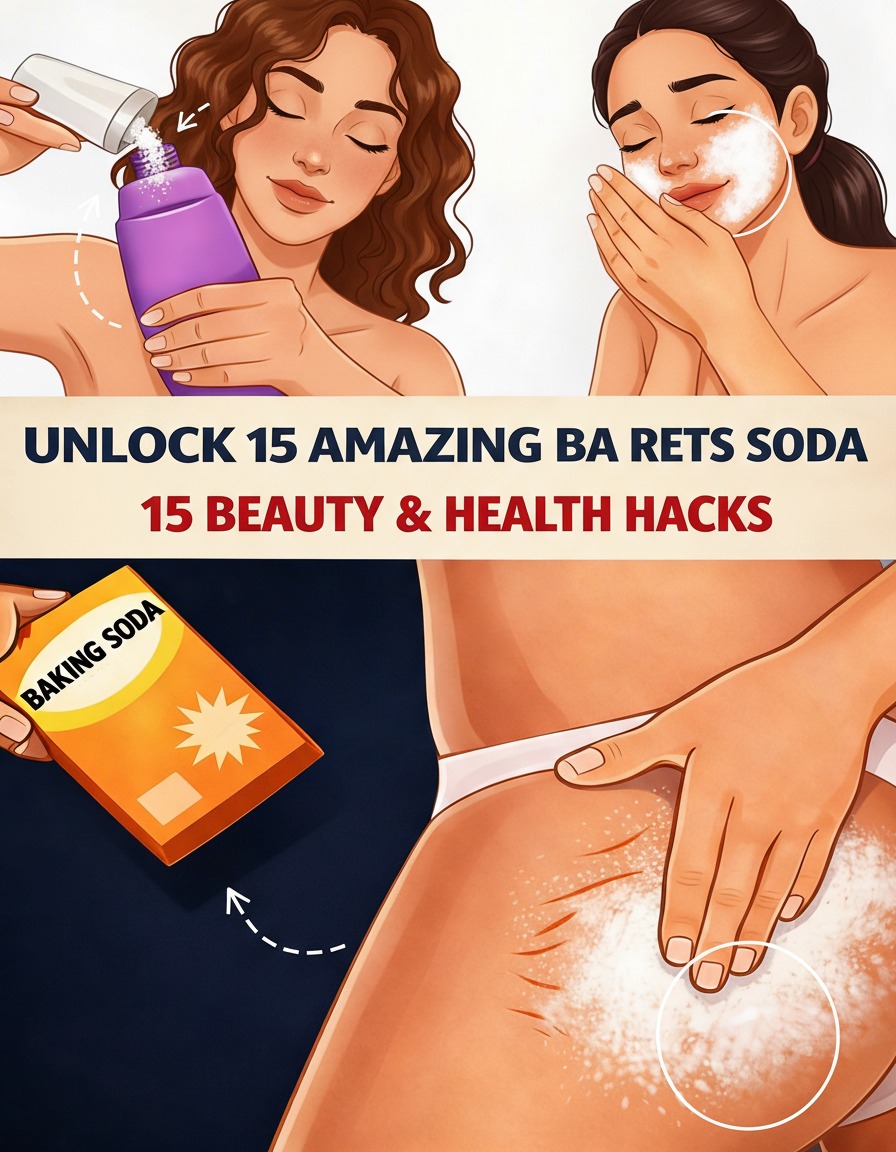
Baking soda (sodium bicarbonate) is a staple household item celebrated for its versatility, affordability, and gentle abrasive properties. From kitchen baking and odor neutralization to home remedies, it has long been touted in viral DIY health and beauty trends as a low-cost solution for everything from facial exfoliation to clarifying shampoo boosts.
However, while sodium bicarbonate offers real functional benefits—such as neutralizing acids, soothing minor skin irritations, and removing stubborn residue—dermatologists warn that its high alkaline pH requires careful, informed usage to prevent damaging delicate skin barriers.
This comprehensive guide breaks down 15 baking soda beauty and health applications, dermatological risk factor comparison tables, step-by-step safe application instructions, and practical advice on household budgeting and health insurance protection.
The Chemical Science: pH Balance, Alkaline Irritation, and Exfoliation
+-----------------------------------------------------------------------+
|                    BAKING SODA DERMAL INTERACTION                     |
+-----------------------------------------------------------------------+
| 1. SODIUM BICARBONATE  --> Highly alkaline compound (pH ~ 8.3 to 9.0)|
+-----------------------------------------------------------------------+
                                   |
                                   v
+-----------------------------------------------------------------------+
| 2. BARRIER DISRUPTION  --> Neutralizes acid mantle (natural skin pH 5.5)|
+-----------------------------------------------------------------------+
                                   |
                                   v
+-----------------------------------------------------------------------+
| 3. TARGETED BENEFIT    --> Removes buildup, neutralizes odor & acids  |
+-----------------------------------------------------------------------+
1. Understanding Skin pH and the Acid Mantle
Healthy human skin maintains a slightly acidic surface layer known as the acid mantle (typically pH 4.5 to 5.5), composed of natural oils, amino acids, and sweat. This acidic environment wards off harmful bacteria, maintains moisture, and regulates cell turnover. Baking soda is strongly alkaline, carrying a pH between 8.3 and 9.0.
2. Physical Exfoliation and Odor Neutralization
The fine crystalline structure of sodium bicarbonate acts as a gentle physical exfoliant capable of sloughing off dead skin cells. Additionally, its chemical buffering capacity neutralizes acidic compounds—such as volatile organic acids produced by sweat bacteria—making it an effective natural deodorizer.
3. Dermatological Risks of Frequent Facial Use
Using undiluted or frequent baking soda treatments directly on facial skin strips essential lipids, disrupts the acid mantle, and increases transepidermal water loss. Over-application can lead to dryness, redness, increased sensitivity, and rebound breakouts.
15 Beauty & Health Applications of Baking Soda
Household Beauty Hacks
-
Clarifying Hair & Scalp Rinse: Mixing a small pinch of baking soda into your regular shampoo once a month helps break down heavy silicone, hairspray, and dry shampoo buildup.
-
Body Exfoliating Scrub: Combining baking soda with warm water or gentle coconut oil creates a smoothing paste for rough elbows, knees, and heels.
-
Natural Underarm Deodorizer Neutralizer: A light dust of baking soda mixed with cornstarch neutralizes odor-causing acids under arms without harsh artificial fragrances.
-
Soothing Foot Bath Soak: Adding 2 to 3 tablespoons of baking soda to a warm foot bath softens calluses, soothes tired arches, and reduces foot odors.
-
Nail & Cuticle Cleansing Scrub: Scrubbing fingernails and cuticles with a soft brush and baking soda paste removes yellow staining and cleans beneath nail beds.
-
Hand Odor Remover: Rubbing baking soda paste over wet hands after chopping garlic, onions, or fish instantly neutralizes stubborn lingering food smells.
-
Makeup Brush Deep Cleanser: Swirling makeup brushes in warm water mixed with a teaspoon of baking soda and mild soap removes caked-on foundation and oils.
-
Scalp Oil Absorbing Dry Shampoo: Lightly dusting a tiny amount of baking soda onto oily roots absorbs excess sebum in emergency touch-ups (use sparingly to avoid scalp dryness).
Health & Wellness Remedies
-
Soothing Bug Bites and Bee Stings: Applying a paste of baking soda and water to mosquito bites or insect stings neutralizes mild histamine itching and inflammation.
-
Soothe Minor Sunburn & Skin Irritation: Adding half a cup of baking soda to a cool bath helps calm sun-exposed skin, easing surface heat and tightness.
-
Relieving Poison Ivy & Oak Itch: A cool baking soda compress reduces weeping, oozing, and severe itching caused by urushiol plant oil contact.
-
Temporary Acid Reflux Antacid: Dissolving 1/2 teaspoon of baking soda in 4 oz of water neutralizes acute stomach acid (use only occasionally and under medical guidance).
-
Oral Splinter Removal Assist: Applying a thick baking soda paste under a bandage for a few hours softens skin, helping stubborn wood splinters slide to the surface.
-
Soothing Minor Canker Sores: Rinsing the mouth with a warm water and baking soda solution neutralizes oral acidity, relieving pain from small mouth ulcers.
-
Denture & Retainer Cleansing Soak: Soaking removable dental appliances in warm baking soda water loosens trapped food debris and neutralizes stale odors naturally.
Baking Soda Application Safety Comparison Table
+--------------------+-----------------------+-----------------------+
| Application Area   | Safety Level          | Recommended Frequency |
+--------------------+-----------------------+-----------------------+
| Foot / Body Scrub  | Safe & Effective      | 1–2 Times Per Week    |
| Scalp Rinse        | Moderately Safe       | Once Per Month Max    |
| Insect Bite Paste  | Safe & Soothing       | As Needed (Spot)      |
| Facial Exfoliation | High Irritation Risk  | Not Recommended       |
+--------------------+-----------------------+-----------------------+
Step-by-Step Instructions: How to Safely Apply Baking Soda DIY Remedies
Follow these dermatologist-approved steps to safely incorporate baking soda into your home wellness routine without damaging your skin barrier:
+-----------------------------------------------------------------------+
|                     SAFE BAKING SODA CHECKLIST                        |
+-----------------------------------------------------------------------+
| Step 1: Always perform a patch test on your inner forearm first.      |
| Step 2: Mix baking soda thoroughly with water or carrier oils.       |
| Step 3: Limit application duration to under 5 minutes on body skin.   |
| Step 4: Rinse completely with lukewarm water & gently pat dry.        |
| Step 5: Follow immediately with a rich, barrier-repairing moisturizer. |
+-----------------------------------------------------------------------+
-
Perform a mandatory Patch Test: Before applying any baking soda paste to larger body areas, apply a small swab to your inner forearm and wait 24 hours to monitor for redness, itching, or irritation.
-
Dilute Properly: Never apply dry baking soda forcefully onto dry, delicate skin. Always mix it with adequate water, gentle liquid cleansers, or carrier oils (such as jojoba or almond oil) to create a smooth, lubricating paste.
-
Limit Application Time: Restrict leave-on pastes (such as bug bite remedies) to 5 to 10 minutes max. For scrubs, massage gently in light circular motions for no more than 60 seconds.
-
Rinse Thoroughly: Wash away all baking soda residue completely using lukewarm water. Ensure no microscopic granules remain trapped in skin folds or hair follicles.
-
Restore Skin Hydration Immediately: After rinsing, apply a pH-balanced, ceramide-rich moisturizer or body lotion to replenish lost lipids and support the natural acid mantle.
Home Management, Household Budgeting, and Financial Health
Using multi-purpose household items like baking soda supports smart family budgeting and sustainable living.
Smart Home Budgeting & Personal Care Savings
Replacing multiple specialized single-use products—such as expensive foot scrubs, clarifying treatments, and deodorizing sprays—with multi-use pantry staples like baking soda significantly reduces recurring personal care expenses. Managing your household grooming and supplies budget intentionally enables families to preserve capital to build emergency savings accounts, pay off high-interest credit card debt, or allocate funds toward long-term financial investments.
Skin Health, Insurance Protection, and Medical Care
While simple DIY remedies offer budget-friendly home convenience, chronic skin conditions like severe eczema, psoriasis, or stubborn cystic acne require professional evaluation. Consulting with a board-certified dermatologist covered under primary health insurance plans or Medicare ensures safe, long-term skin health management without risking barrier damage from harsh home treatments.
Frequently Asked Questions (FAQ)
Can I use baking soda every day to scrub my face?
No. Daily use of baking soda on facial skin disrupts the delicate acid mantle, leading to severe dryness, redness, accelerated skin aging, and increased vulnerability to bacterial infections.
Is baking soda safe for whitening teeth?
Baking soda effectively removes surface food stains from tooth enamel due to its mild abrasiveness. However, over-brushing with pure baking soda can erode protective enamel over time, so use fluoride toothpastes formulated with safe, controlled baking soda levels instead.
Conclusion
Baking soda is a versatile, budget-friendly staple for body scrubs, bug bite relief, and clarifying rinses! Use it mindfully, respect your skin’s natural pH balance, always moisturize afterward, and enjoy effective, affordable home care!
