
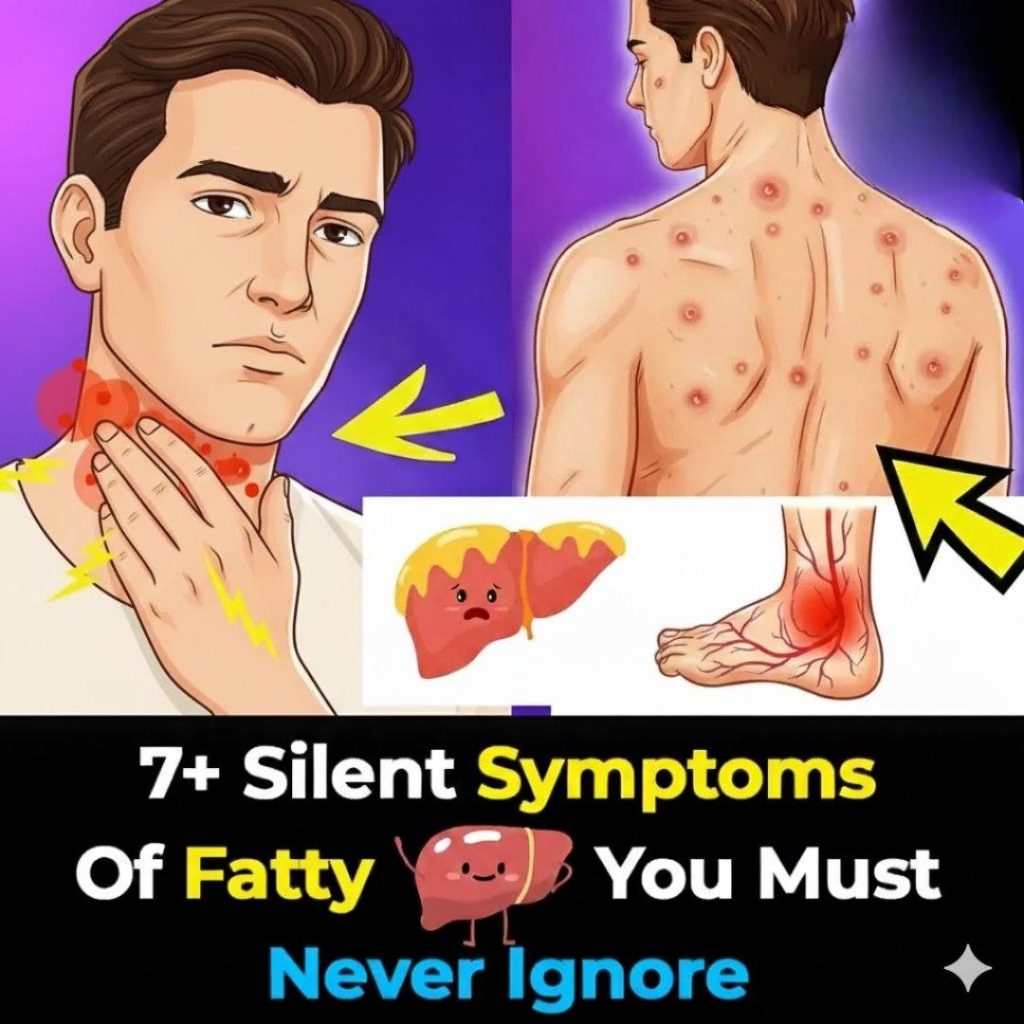
The liver is the body’s primary metabolic factory, responsible for filtering toxins, processing nutrients, synthesizing essential proteins, and regulating cholesterol balance. Metabolic Dysfunction-Associated Steatotic Liver Disease (MASLD), formerly referred to as Non-Alcoholic Fatty Liver Disease (NAFLD), occurs when excess fat accumulates within liver cells (hepatocytes).
Because early liver fat accumulation causes little to no acute pain, fatty liver disease is widely known as a “silent condition.” Left unmanaged, hepatic fat buildup can progress to inflammation (steatohepatitis), tissue scarring (fibrosis), and eventual irreversible damage (cirrhosis).
This comprehensive guide details 7+ primary silent symptoms of fatty liver disease, hepatic health comparison tables, step-by-step lifestyle reversal protocols, and practical advice on household budgeting and preventative healthcare coverage.
7+ Silent Physiological Indicators of Fatty Liver Disease
+———————————————————————–+
| FATTY LIVER PROGRESSION PATHWAY |
+———————————————————————–+
| 1. HEPATIC STEATOSIS –> Triglycerides accumulate inside liver cells |
+———————————————————————–+
|
v
+———————————————————————–+
| 2. INFLAMMATORY CASCADE–> Lipid toxicity triggers metabolic distress |
+———————————————————————–+
|
v
+———————————————————————–+
| 3. SYSTEMIC DERMATO-VASCULAR FLAGS –> Spider angiomas & ankle edema |
+———————————————————————–+
1. Persistent Skin Blemishes, Redness, and Rashes
Impaired liver function alters systemic hormone metabolism and bile acid processing. Accumulating metabolic waste products can manifest externally on the skin as unusual inflammatory breakouts, red patches, or persistent dry rashes across the back, chest, or neck.
2. Spider Angiomas and Vascular Webbing
Small, spider-like blood vessels (spider angiomas) appearing near the surface of the neck, collarbone, or face can signal altered estrogen breakdown due to reduced liver filtration capacity.
3. Swelling in Ankles, Feet, and Lower Legs (Edema)
As hepatic scarring or stiffness increases pressure in the portal vein system (portal hypertension), fluid accumulates in lower extremities. Additionally, reduced production of the blood protein albumin by damaged liver cells worsens fluid retention.
4. Severe Skin Itching (Pruritus)
Elevated bile salts and bilirubin accumulating in the bloodstream due to sluggish liver filtration deposit in subcutaneous skin layers, triggering persistent, intense skin itching without an obvious external rash.
5. Chronic Unexplained Fatigue and Brain Fog
Fatty infiltration impairs the liver’s ability to store glycogen and efficiently break down metabolic toxins. This leads to persistent physical tiredness, muscle weakness, and difficulties concentrating during daily tasks.
6. Upper Right Quadrant Abdominal Fullness or Discomfort
While early fatty liver is rarely painful, an enlarged, fat-laden liver can stretch the sensitive outer capsule (Glisson’s capsule), causing a vague feeling of fullness, aching, or pressure just below the right ribcage.
7. Darkening Skin Patches (Acanthosis Nigricans)
Velvety, darkened skin patches around the neck folds, armpits, or knuckles often accompany fatty liver disease. This dermatological flag directly indicates severe insulin resistance, the leading metabolic driver of hepatic fat storage.
8. Easy Bruising and Slow Bleeding Clotting
A declining liver produces lower quantities of essential blood-clotting proteins. Unexplained bruising on arms or legs from minor bumps serves as an advanced signal of compromised liver synthetic function.
Hepatic Health Stage Comparison Table
+——————–+———————–+———————–+
| Disease Stage | Cellular Condition | Reversibility Level |
+——————–+———————–+———————–+
| Simple Steatosis | Fat Infiltration > 5% | Fully Reversible |
| MASH / NASH | Inflammation & Damage | Partially Reversible |
| Fibrosis | Early Scar Tissue | Manageable / Slowable |
| Cirrhosis | Advanced Structural | Irreversible Management|
+——————–+———————–+———————–+
Step-by-Step Instructions: How to Reverse Fatty Liver and Restore Health
Follow these evidence-based steps to reduce liver fat accumulation and support hepatocyte recovery:
+———————————————————————–+
| FATTY LIVER REVERSAL CHECKLIST |
+———————————————————————–+
| Step 1: Request ALT, AST, & FibroScan screening during routine care. |
| Step 2: Eliminate added sugars, high-fructose corn syrup, & soda. |
| Step 3: Target a gradual 7% to 10% total body weight reduction. |
| Step 4: Engage in 150 minutes of moderate aerobic exercise weekly. |
| Step 5: Adopt a Mediterranean diet rich in leafy greens & healthy fats.|
+———————————————————————–+
Schedule Comprehensive Liver Screening: Ask your primary care provider for annual liver enzyme bloodwork (ALT and AST) and an abdominal ultrasound or transient elastography (FibroScan) to evaluate liver stiffness and fat percentage.
Eliminate Fructose and Refined Sugar: Excess dietary fructose and refined carbohydrates bypass normal metabolic controls and are directly converted into liver fat (de novo lipogenesis). Cut out sugary sodas, processed fruit juices, and ultra-processed baked goods.
Achieve Gradual Weight Loss: Losing 7% to 10% of total body weight via a sustainable calorie deficit can dramatically decrease liver fat content and reverse hepatic inflammation.
Engage in Weekly Physical Activity: Perform at least 150 minutes of moderate-intensity aerobic exercise (such as brisk walking, cycling, or swimming) combined with resistance training weekly to enhance muscle insulin sensitivity.
Adopt a Mediterranean Dietary Pattern: Base meals on whole vegetables, wild-caught fish, nuts, olive oil, and fiber-rich legumes while limiting alcohol consumption and saturated trans fats to minimize metabolic stress on hepatic tissues.
Home Management, Household Budgeting, and Financial Health
Prioritizing metabolic wellness and preventative liver screening directly supports long-term family budgeting and financial security.
Smart Home Budgeting & Preventative Health Savings
Reversing early fatty liver disease through simple, low-cost lifestyle adjustments—such as eating whole foods and exercising outdoors—prevents progression to advanced liver failure, avoiding astronomical specialist fees, prescription costs, and hospital care. Managing your personal health and grocery budget intentionally enables families to preserve capital to build emergency savings accounts, pay off high-interest credit card debt, or allocate funds toward long-term financial investments.
Metabolic Health, Insurance Benefits, and Medicare Protection
Annual primary care visits, liver panel blood tests, and nutritionist consultations are heavily covered under primary health insurance plans and Medicare. Utilizing preventative health coverage minimizes out-of-pocket medical bills while safeguarding both physical well-being and personal financial peace of mind.
Frequently Asked Questions (FAQ)
Is fatty liver disease reversible?
Yes! Early-stage fatty liver (simple steatosis) is fully reversible through dietary modifications, consistent exercise, weight management, and blood sugar control before permanent fibrous scarring develops.
Does drinking alcohol cause fatty liver disease?
While excessive alcohol intake causes Alcoholic Fatty Liver Disease, Metabolic Dysfunction-Associated Steatotic Liver Disease (MASLD) occurs in individuals who drink little to no alcohol, driven instead by high sugar intake, obesity, and insulin resistance.
Conclusion
Fatty liver disease is a silent condition, but recognizing early signals like skin changes, edema, and metabolic fatigue empowers you to act. Screen your liver health, adjust your diet, stay active, and protect your long-term vitality today!
