
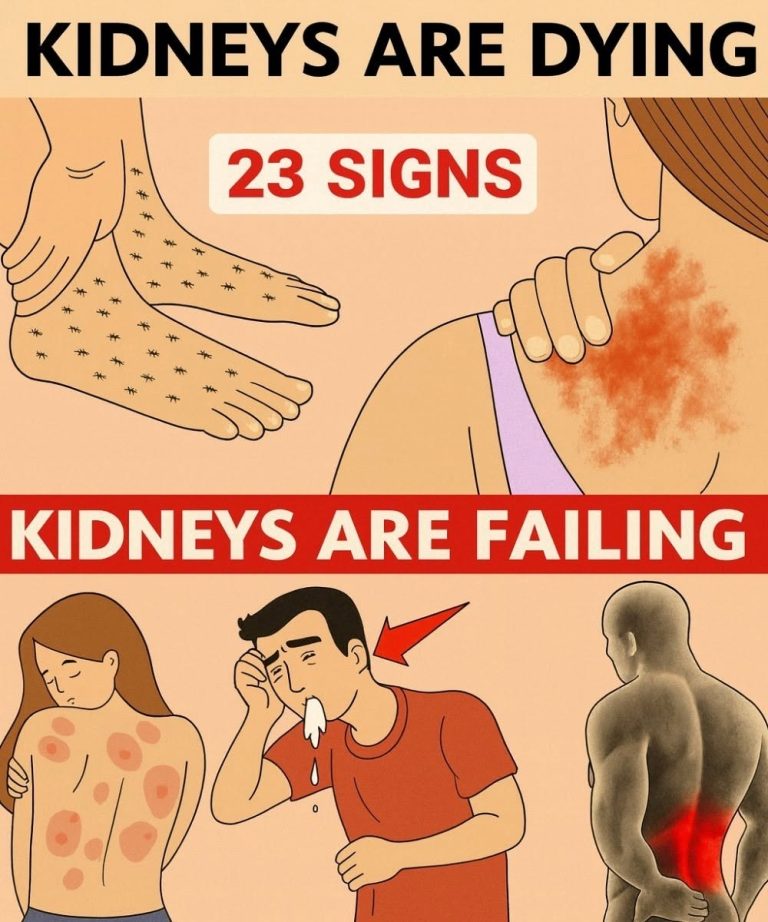
The kidneys are powerhouse filtration organs responsible for removing waste products, filtering excess fluid from the bloodstream, balancing essential electrolytes, and regulating blood pressure. Because Chronic Kidney Disease (CKD) often develops gradually over months or years, early renal decline is frequently termed a “silent condition” until significant filtration capacity is compromised.
Recognizing early warning indicators—such as skin changes, fluid retention, metabolic waste buildup, and back flank discomfort—allows individuals to take proactive diagnostic and lifestyle steps to protect long-term kidney function.
This comprehensive guide details primary physiological signals of kidney impairment, renal risk factor comparison tables, step-by-step protective instructions, and practical advice on household budgeting and preventative health insurance coverage.
Primary Physiological Indicators of Kidney Impairment
+———————————————————————–+
| RENAL DISFUNCTION INDICATORS |
+———————————————————————–+
| 1. FLUID RETENTION –> Impaired filtration leads to edema/swelling |
+———————————————————————–+
|
v
+———————————————————————–+
| 2. UREMIC PRURITUS –> Mineral/waste accumulation triggers skin itch|
+———————————————————————–+
|
v
+———————————————————————–+
| 3. METABOLIC NAUSEA –> Uric/nitrogenous buildup causes appetite drop|
+———————————————————————–+
1. Swelling in Legs, Feet, and Ankles (Edema)
When kidney filtration units (nephrons) lose functional efficiency, the body struggles to excrete excess sodium and water. This fluid overload accumulates in lower extremities due to gravity, causing noticeable puffiness, tight skin, and ankle swelling (peripheral edema).
2. Severe Skin Itching and Rashes (Uremic Pruritus)
As filtration rates drop, metabolic waste products, phosphorus, and urea accumulate in the bloodstream rather than exiting through urine. High systemic waste concentrations deposit in dermal tissues, triggering persistent, severe skin itching (uremic pruritus) and inflammatory dry patches.
3. Nausea, Metallic Taste, and Loss of Appetite
A buildup of nitrogenous waste in the blood (uremia) alters taste perception, often creating a metallic or bitter taste in the mouth. This metabolic toxicity causes morning nausea, vomiting reflexes, loss of appetite, and unexplained weight loss.
4. Flank or Lower Back Pain
Pain located near the lower back or side flanks—just below the ribcage—can signal kidney stones, urinary tract infections (UTIs) spreading to the upper tract, or polycystic kidney disease pressure.
5. Persistent Fatigue and Brain Fog
Healthy kidneys secrete a hormone called erythropoietin (EPO), which signals bone marrow to produce red blood cells. Damaged kidneys produce less EPO, leading to anemia, chronic tiredness, shortness of breath, and reduced mental focus.
Renal Health Stage Comparison Table
+——————–+———————–+———————–+
| Renal Function | Estimated GFR Level | Primary Clinical Goal |
+——————–+———————–+———————–+
| Optimal / Healthy | eGFR > 90 mL/min | Lifestyle Preservation|
| Mild Impairment | eGFR 60–89 mL/min | Blood Pressure Control|
| Moderate CKD | eGFR 30–59 mL/min | Dietary Modification |
| Severe Failure | eGFR < 15 mL/min | Dialysis / Transplant |
+——————–+———————–+———————–+
Step-by-Step Instructions: How to Protect and Monitor Kidney Health
Follow these evidence-based steps to support renal filtration and monitor kidney health:
+———————————————————————–+
| KIDNEY PROTECTION CHECKLIST |
+———————————————————————–+
| Step 1: Request eGFR & urine albumin/creatinine ratio lab tests. |
| Step 2: Manage blood pressure strictly (target under 120/80 mmHg). |
| Step 3: Limit over-the-counter NSAID pain reliever usage (ibuprofen). |
| Step 4: Stay properly hydrated with clean water throughout the day. |
| Step 5: Adopt a low-sodium, heart-healthy dietary meal plan. |
+———————————————————————–+
Request Annual Renal Panel Bloodwork: Ask your primary care provider for a simple eGFR (estimated Glomerular Filtration Rate) blood test and a urine protein (albumin-to-creatinine ratio) test during routine checkups.
Control Blood Pressure and Blood Sugar: Uncontrolled hypertension and elevated blood glucose are the leading causes of kidney damage worldwide. Monitor blood pressure daily and maintain glycemic control if diabetic.
Use NSAID Pain Relievers Cautiously: Avoid chronic, unmonitored use of Non-Steroidal Anti-Inflammatory Drugs (NSAIDs) like ibuprofen or naproxen, as high doses reduce renal blood flow and damage delicate tubular structures.
Maintain Healthy Hydration Habits: Drink sufficient fresh water throughout the day to help kidneys flush sodium and urea efficiently without over-consuming excessive fluids if advanced edema is present.
Reduce Sodium and Processed Food Intake: Limit daily sodium consumption to under 2,000 mg to ease fluid pressure on renal arteries and protect systemic cardiovascular function.
Home Management, Household Budgeting, and Financial Health
Prioritizing preventative kidney screening directly supports family budgeting and long-term financial security.
Smart Home Budgeting & Healthcare Savings
Catching renal function changes in early stages through low-cost routine bloodwork prevents advanced Kidney Disease complications, avoiding astronomical dialysis costs and organ transplant expenses. Managing your household health and preventative medical budget intentionally enables families to preserve capital to build emergency savings accounts, pay off high-interest credit card debt, or allocate funds toward long-term financial investments.
Preventative Medical Care, Health Insurance, and Medicare Security
Annual wellness physicals, kidney function blood tests, and nephrology specialist consultations are heavily covered by primary health insurance plans and Medicare. Utilizing preventative coverage benefits minimizes out-of-pocket medical bills while safeguarding both physical well-being and personal financial peace of mind.
Frequently Asked Questions (FAQ)
What is the single most effective way to slow down kidney disease progression?
Strict blood pressure management and controlling blood sugar levels—alongside prescribed ACE inhibitors or ARB medications that reduce pressure within kidney glomeruli—are the most effective strategies to preserve filtration capacity.
Does foam in urine indicate kidney damage?
Persistent, thick, multi-layered foam in toilet water often signals protein leaking into the urine (proteinuria), which is a key early clinical marker of impaired kidney filtration that should be evaluated by a physician.
Conclusion
Your kidneys play a vital, silent role in maintaining overall health. Monitor early warning signals, schedule annual bloodwork, keep blood pressure controlled, and protect your renal health for a long, vibrant life!
