
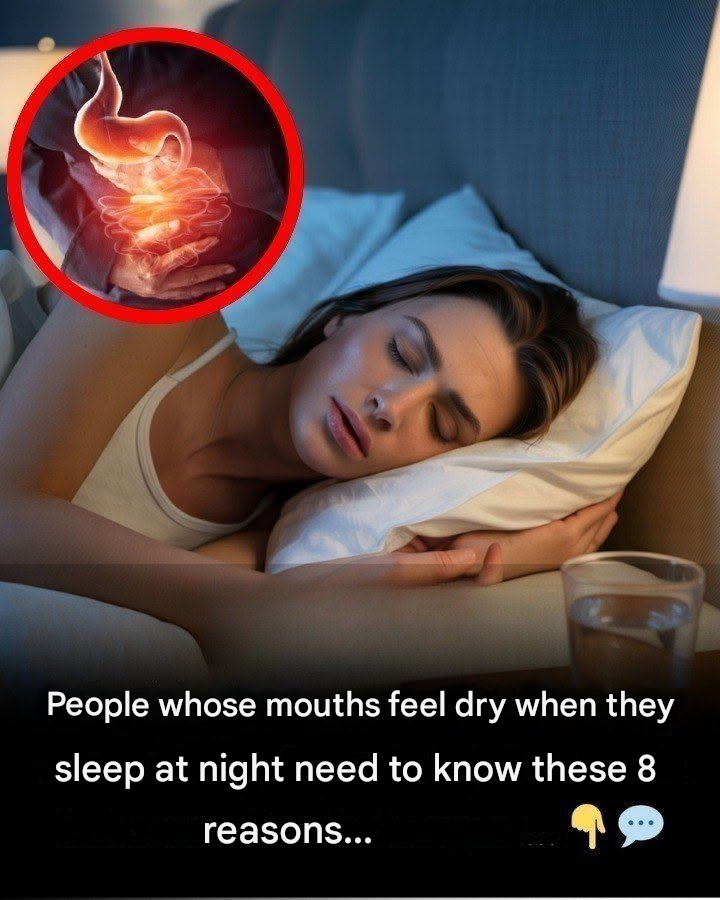
Waking up during the night with a parched throat, sticky tongue, or cracked lips is a common and uncomfortable issue known clinically as nocturnal xerostomia (dry mouth). Saliva plays a critical protective role in oral health—washing away food particles, neutralizing plaque acids, preventing tooth decay, and keeping oral tissues lubricated.
While occasional night dryness can stem from low bedroom humidity, chronic nocturnal dry mouth often signals underlying physiological shifts, nasal blockages, digestive acid reflux, or medication side effects.
This comprehensive guide breaks down the 8 primary causes of nighttime dry mouth, factor comparison tables, step-by-step restoration strategies, and practical advice on household budgeting and preventative health insurance planning.
The 8 Physiological Causes of Nighttime Dry Mouth
+———————————————————————–+
| NOCTURNAL XEROSTOMIA PATHWAYS |
+———————————————————————–+
| 1. MOUTH BREATHING –> Nasal congestion bypasses airway humidification |
+———————————————————————–+
|
v
+———————————————————————–+
| 2. MEDICATION EFFECTS–> Anticholinergics inhibit salivary gland output |
+———————————————————————–+
|
v
+———————————————————————–+
| 3. GERD / ACID REFLUX–> Stomach acid irritates oral mucosa & tissue |
+———————————————————————–+
1. Chronic Mouth Breathing and Nasal Congestion
Breathing through the mouth during sleep rapidly evaporates natural oral moisture. Deviated septums, seasonal allergies, nasal polyps, or enlarged tonsils force air through the oral cavity rather than the nasal passages, which naturally humidify incoming air.
2. Prescription and Over-the-Counter Medications
Hundreds of common medications—including antihistamines, blood pressure drugs, decongestants, muscle relaxants, and antidepressants—exert anticholinergic effects that suppress the salivary glands’ ability to produce saliva overnight.
3. Gastroesophageal Reflux Disease (GERD) and Acid Reflux
During sleep, stomach acid and digestive enzymes can micro-reflux up into the esophagus and oral cavity. Stomach acid irritates mucosal tissues and alters oral pH, causing reflex throat clearing, inflammation, and severe dry mouth sensations.
4. Natural Circadian Salivary Reduction
Salivary glands naturally decrease production during deep sleep cycles compared to waking hours. When combined with minor room dryness or mouth breathing, this natural circadian slowdown results in a noticeably dry mouth upon waking.
5. Ambient Low Humidity and Dry Bedroom Air
Running indoor heating units during winter or air conditioning during summer strips moisture from ambient room air. Inhaling dry, unhumidified air for 7 to 8 hours continuously dehydrates delicate oral membranes.
6. Mild Dehydration and High Sodium Dinners
Consuming salty, highly processed meals late in the evening or failing to drink adequate fluids throughout the day lowers systemic hydration, reducing total water available for salivary secretion.
7. Obstructive Sleep Apnea (OSA)
Sleep apnea involves repetitive upper airway collapses during sleep, leading to loud snoring, gasping, and compulsory mouth breathing as the body struggles to maintain oxygen intake throughout the night.
8. Autoimmune Conditions (e.g., Sjögren’s Disease)
Systemic conditions such as Sjögren’s disease directly target and inflame exocrine glands—specifically salivary and lacrimal glands—leading to chronic, severe dryness in the mouth and eyes.
Nighttime Dry Mouth Cause Comparison Table
+——————–+———————–+———————–+
| Primary Cause | Physiological Mechanism| Target Relief Strategy|
+——————–+———————–+———————–+
| Mouth Breathing | Airway Evaporation | Nasal Strips / Humidity|
| Anticholinergics | Gland Suppression | Xylitol Melts / Doctor|
| Acid Reflux (GERD) | Mucosal Acid Damage | Wedge Pillow / Diet |
| Low Humidity | Environmental Drying | Cool-Mist Humidifier |
+——————–+———————–+———————–+
Step-by-Step Instructions: How to Prevent and Treat Nighttime Dry Mouth
Follow these practical steps to restore oral hydration and protect your dental health:
+———————————————————————–+
| DRY MOUTH RELIEF CHECKLIST |
+———————————————————————–+
| Step 1: Run a cool-mist humidifier in your bedroom near the bed. |
| Step 2: Use a xylitol-based oral rinse or adhering disc before sleep. |
| Step 3: Clear nasal passages using saline sprays or breath strips. |
| Step 4: Keep a covered glass of cold water at your bedside. |
| Step 5: Elevate your head 4–6 inches to prevent nighttime acid reflux.|
+———————————————————————–+
Use a Cool-Mist Bedroom Humidifier: Place a humidifier near your bed to maintain ambient bedroom humidity levels between 40% and 50%, preventing air from drying out your oral tissues overnight.
Apply Xylitol-Based Oral Products: Before going to bed, rinse with an alcohol-free, xylitol-formulated dry mouth mouthwash or use slow-dissolving oral adhesive discs. Xylitol stimulates natural salivary flow and protects tooth enamel against cavities.
Optimize Nasal Airway Passage: Use drug-free nasal strips or saline nasal sprays before sleep to keep nasal passages open, encouraging natural nasal breathing instead of mouth breathing.
Prevent Nighttime Acid Reflux: Avoid eating heavy, spicy, or acidic meals within 3 hours of going to bed. Elevate the head of your bed using a wedge pillow to keep stomach acid from traveling into the throat and mouth.
Maintain Daily Hydration and Dental Hygiene: Drink water consistently throughout the day, avoid alcohol-based mouthwashes that strip moisture, and keep a water glass at your bedside for quick nighttime sips.
Home Management, Household Budgeting, and Financial Health
Addressing chronic dry mouth early protects long-term oral health and directly supports smart family budgeting.
Smart Home Budgeting & Dental Health Savings
Chronically reduced saliva significantly increases the risk of tooth decay, gum disease, and enamel erosion, which can lead to expensive dental procedures like root canals, crowns, or implants. Utilizing simple, low-cost remedies—such as humidifiers, proper hydration, and xylitol products—safeguards your teeth and prevents unexpected dental bills. Managing your personal care and healthcare budget intentionally enables families to preserve capital to build emergency savings accounts, pay off high-interest credit card debt, or allocate funds toward long-term financial investments.
Preventive Dental Care, Health Insurance, and Wellness
Routine dental checkups, professional cleanings, and physician consultations are heavily covered by dental insurance plans and Medicare Advantage programs. Utilizing preventive healthcare coverage ensures early detection of dry mouth triggers, protecting both your physical well-being and personal financial peace of mind.
Frequently Asked Questions (FAQ)
Can dry mouth at night cause bad breath in the morning?
Yes. Saliva naturally washes away bacteria and food particles. When saliva decreases overnight, bacteria multiply rapidly in the dry environment, producing sulfur compounds that cause strong morning breath.
Is drinking alcohol or coffee before bed bad for dry mouth?
Yes. Both alcohol and caffeine act as diuretics that dehydrate the body systemically. Additionally, alcohol strips surface moisture from oral tissues, worsening nighttime dry mouth significantly.
Conclusion
Nighttime dry mouth is a manageable condition once you identify its underlying triggers. Keep your bedroom air humidified, clear your nasal airways, use xylitol oral rinses, and protect your dental health for restful, comfortable sleep!
