
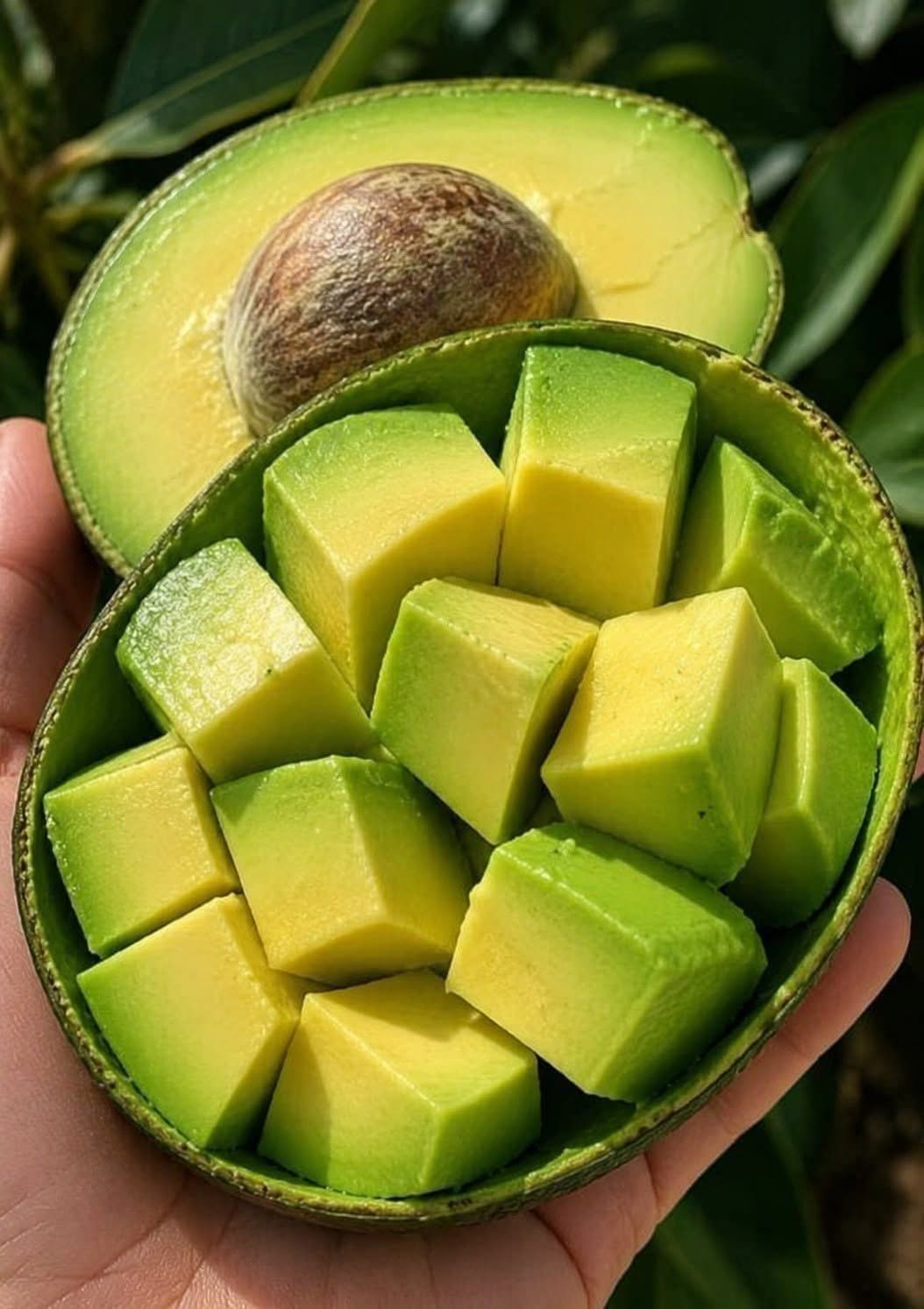
Avocados are celebrated as one of the most versatile, nutrient-dense superfruits in modern nutrition. However, every home cook knows the frustration of cutting into a perfectly ripe avocado, only to have the remaining half turn unappetizingly brown within hours.
This rapid color change is driven by an automatic chemical reaction known as enzymatic browning. Understanding how oxygen exposure triggers polyphenol oxidase enzymes allows you to apply simple, science-backed storage techniques to keep cut avocados bright green and creamy for days.
This comprehensive guide breaks down the biological science of avocado browning, evaluates popular preservation hacks, details step-by-step storage methods, and offers practical advice on household budgeting and health protection.
The Science of Avocado Browning: Polyphenol Oxidase & Oxygen
+———————————————————————–+
| ENZYMATIC BROWNING MECHANISM |
+———————————————————————–+
| 1. CELLULAR DISRUPTION –> Cutting avocado breaks plant cell walls |
+———————————————————————–+
|
v
+———————————————————————–+
| 2. ENZYME ACTIVATION –> Polyphenol Oxidase reacts with oxygen (air) |
+———————————————————————–+
|
v
+———————————————————————–+
| 3. MELANIN PRODUCTION –> Phenolic compounds oxidize into brown pigment|
+———————————————————————–+
1. Polyphenol Oxidase (PPO) Activation
Inside fresh avocado tissue, natural compounds called polyphenols are stored separately from enzymes known as polyphenol oxidase (PPO). When you slice through an avocado, cell walls rupture, exposing PPO and polyphenols to ambient air.
2. Oxidation and Melanin Pigment Formation
When oxygen binds with PPO, a chemical reaction converts phenolic compounds into quinones. These quinones polymerize to produce melanin—the exact dark brown pigment visible on the surface of exposed avocado flesh.
3. Acidity and Oxygen Barrier Mechanics
Preventing browning requires either blocking oxygen contact completely or lowering the surface pH. Acidic liquids like lemon or lime juice deactivate the PPO enzyme by lowering pH levels below its optimal functional range, while oils or tight wraps physically seal out oxygen molecules.
Avocado Preservation Methods Comparison Table
+——————–+———————–+———————–+
| Storage Method | Effectiveness Rate | Quality & Taste Impact|
+——————–+———————–+———————–+
| Lemon/Lime Juice | High (2 to 3 Days) | Mild Citrus Flavor |
| Olive Oil Brush | High (2 to 3 Days) | Smooth & Rich Texture |
| Sliced Onion Seal | Very High (3 to 4 Days)| Subtle Onion Aroma |
| Water Submersion | Not Recommended | Risk of Bacterial Growth|
+——————–+———————–+———————–+
Step-by-Step Instructions: How to Store Cut Avocados
Follow these simple steps to keep your sliced or cubed avocados perfectly green and fresh:
+———————————————————————–+
| AVOCADO PRESERVATION CHECKLIST |
+———————————————————————–+
| Step 1: Leave the pit inside the unused half to shield underlying flesh|
| Step 2: Brush exposed surface lightly with lemon juice or olive oil. |
| Step 3: Wrap flesh tightly with plastic wrap pressing directly on top. |
| Step 4: Alternatively, store in airtight container with sliced onion. |
| Step 5: Keep refrigerated at 40°F (4°C) until ready to consume. |
+———————————————————————–+
Keep the Pit Intact: When storing half an avocado, leave the pit inside the portion you plan to save. While the pit does not contain anti-browning chemicals, it physically blocks air from contacting the underlying flesh.
Apply an Acidic or Oil Seal: Lightly brush or brush the exposed green surface with fresh lemon juice, lime juice, or extra virgin olive oil. The citric acid deactivates browning enzymes, while oil forms a protective physical barrier against air.
Press Film Direct to Flesh: Wrap the avocado half tightly in plastic film, pressing the wrap directly against the green surface to eliminate all air pockets.
The Red Onion Trick: Place your cut avocado in a sealed airtight container alongside a few thick slices of red or yellow onion. Onions release natural sulfur compounds that act as organic antioxidants, slowing down surface oxidation without touching the avocado directly.
Refrigerate Promptly: Always store prepared avocados in the refrigerator at or below 40°F (4°C) to slow enzymatic reaction rates.
Home Management, Grocery Budgeting, and Financial Health
Maximizing the shelf life of fresh produce directly supports budget-conscious food management and family wellness.
Smart Home Budgeting & Produce Optimization
Avocados can be a higher-cost grocery purchase per unit. Allowing half an avocado to turn brown and get thrown away week after week adds up to significant annual food waste. Utilizing simple preservation methods ensures 100% consumption of every item purchased. Managing your household grocery budget intentionally enables families to preserve capital to build emergency savings accounts, pay off high-interest credit card debt, or allocate funds toward long-term financial investments.
Healthy Monounsaturated Fats and Health Insurance Security
Avocados are packed with heart-healthy monounsaturated fatty acids (oleic acid), dietary fiber, potassium, and lipid-soluble vitamins E and K. Incorporating healthy plant fats into your routine supports healthy cholesterol balance and cardiovascular wellness. Combining nutrient-dense daily nutrition with routine preventive medical checkups covered by your health insurance provider safeguards both your family’s physical well-being and personal financial peace of mind.
Frequently Asked Questions (FAQ)
Is a slightly brown avocado safe to eat?
Yes. Brown surface discoloration caused by oxidation is harmless to consume, though it may taste slightly bitter or have a softer texture. You can simply scrape off the top thin brown layer to reveal bright green, fresh avocado underneath.
Is storing cut avocados submerged in water safe?
No. Submerging cut or whole avocados in water containers in the refrigerator is strongly discouraged by food safety authorities. Stagnant water creates a breeding ground for human pathogens like Listeria monocytogenes and Salmonella that can penetrate the outer skin.
Conclusion
Keeping cut avocados fresh and green comes down to controlling oxygen exposure and surface acidity. Whether using a splash of citrus juice, a thin brush of olive oil, or a sealed container with sliced onions, stopping enzymatic browning saves money and keeps rich, creamy avocado ready for every meal!
