
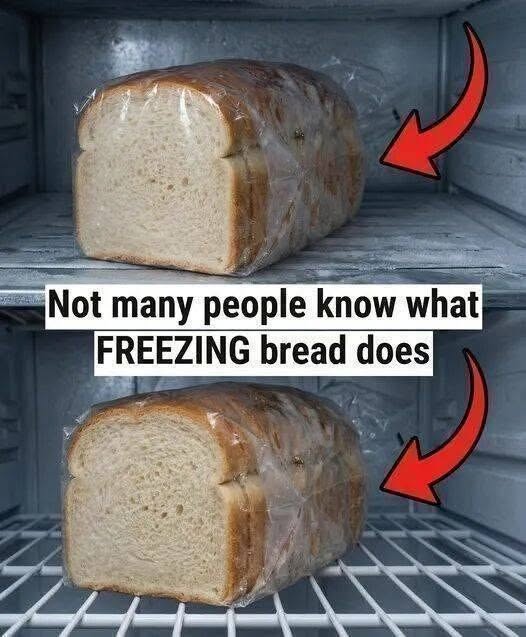
Bread is a daily staple in millions of households, yet fresh bakery and store-bought loaves often spoil, go stale, or develop mold within just a few days of purchase. While many people view freezing bread as a simple way to prevent food waste, the actual food science behind freezing and thawing bread reveals fascinating changes to its molecular starch structure, gut digestibility, and metabolic impact.
Beyond preserving freshness, freezing bread alters how starch molecules behave during digestion, creating health benefits for blood sugar management while extending shelf life by months.
This comprehensive guide details the molecular impact of freezing bread, nutritional comparison charts, step-by-step preservation instructions, and practical advice on household budgeting and health protection.
The Food Science: Resistant Starch and Retrogradation
+———————————————————————–+
| BREAD FREEZING MOLECULAR PATHWAY |
+———————————————————————–+
| 1. FRESH BREAD –> Gelatinized starches absorb easily in gut |
+———————————————————————–+
|
v
+———————————————————————–+
| 2. FREEZING PHASE –> Starch retrogradation forms resistant starch |
+———————————————————————–+
|
v
+———————————————————————–+
| 3. REHEATING/TOASTING–> Lowers glycemic index & feeds gut microbiome |
+———————————————————————–+
1. Starch Retrogradation Mechanism
When bread is baked, heat causes starch granules to absorb water and swell, forming soft, easily digestible gelatinized starch. When bread is cooled and frozen, these starch molecules realign into a tight, crystalline structure—a process known as retrogradation.
2. Formation of Type 3 Resistant Starch
This retrograded starch transforms into Type 3 Resistant Starch, which resists enzymatic breakdown in the small intestine. Instead of rapidly converting into simple glucose, resistant starch travels to the large intestine where it acts as a prebiotic fiber to feed beneficial gut bacteria.
3. Reduced Glycemic Impact
Scientific studies demonstrate that freezing bread—especially when followed by thawing and toasting—substantially lowers its glycemic index (GI). This molecular transformation reduces post-meal blood sugar spikes and insulin surges, making frozen and toasted bread a smarter option for glucose management.
Bread Preservation Methods Comparison Table
+——————–+———————–+———————–+
| Storage Method | Average Shelf Life | Texture & Quality |
+——————–+———————–+———————–+
| Freezer (-18°C/0°F)| 2 to 3 Months | Excellent (When Toast)|
| Room Temp Pantry | 3 to 7 Days | Fresh, Soft Crumb |
| Refrigerator (4°C) | 1 to 2 Weeks | Stales Fast (Recrystalline)|
| Paper Bag | 1 to 2 Days | Hardens & Dries Out |
+——————–+———————–+———————–+
Step-by-Step Instructions: How to Freeze and Thaw Bread Perfectly
Follow these simple steps to freeze bread for maximum freshness and ideal texture:
+———————————————————————–+
| BREAD FREEZING & THAWING GUIDE |
+———————————————————————–+
| Step 1: Pre-slice fresh bread loaves before freezing for convenience. |
| Step 2: Wrap slices tightly in plastic wrap or parchment paper layers.|
| Step 3: Place wrapped bread inside a heavy-duty freezer zip-top bag. |
| Step 4: Remove excess air from bag & label with current freezing date. |
| Step 5: Toast frozen slices directly or thaw at room temp for 15 mins. |
+———————————————————————–+
Pre-Slice the Loaf: Always slice whole loaves before freezing. Pre-slicing allows you to remove individual portions without thawing the entire loaf.
Double-Wrap for Protection: Moisture loss causes freezer burn. Wrap slices tightly in plastic film or parchment paper, then place them inside a heavy-duty freezer bag, squeezing out all excess air before sealing.
Avoid the Refrigerator Trap: Storing bread in the standard refrigerator compartment accelerates starch recrystallization, making bread go stale up to six times faster than at room temperature. Always choose the freezer over the fridge.
Toast Straight from Frozen: For the crispest texture and optimal resistant starch production, place frozen slices directly into a toaster or oven. The intense, fast heat evaporates surface ice crystals while restoring soft interior crumb structure.
Home Management, Household Budgeting, and Financial Health
Minimizing food waste by freezing staples directly supports smart household management and personal financial planning.
Smart Home Budgeting & Eliminating Bakery Waste
Bread is one of the most frequently discarded grocery items. Throwing away half-eaten loaves week after week quietly drains your monthly food budget. Buying bread on sale or in bulk, slicing it, and freezing it immediately ensures 100% utilization. Managing your grocery budget intentionally allows families to conserve funds to build emergency savings accounts, pay off high-interest credit card debt, or allocate capital toward long-term financial investments.
Prebiotic Health, Metabolic Wellness, and Health Insurance Security
Creating resistant starch through freezing and toasting improves insulin sensitivity, supports healthy digestion, and reduces systemic metabolic stress. Combining nutrient-focused food preparation habits with routine preventive checkups covered by your health insurance provider safeguards both your family’s physical well-being and personal financial security.
Frequently Asked Questions (FAQ)
Does freezing bread destroy its nutrients?
No. Freezing preserves essential macronutrients, vitamins, and minerals intact while altering starch structure in a beneficial way that acts like dietary fiber in the gut.
How long can bread stay frozen before quality drops?
Store-bought pre-sliced bread and homemade artisan loaves maintain peak flavor and texture for up to 3 months when stored in heavy-duty airtight freezer packaging.
Conclusion
Freezing bread is far more than a simple storage hack—it is a food science secret that eliminates grocery waste, protects texture, and lowers glycemic impact! Slice and freeze your fresh loaves today to enjoy fresh, gut-friendly bread whenever you want.
