
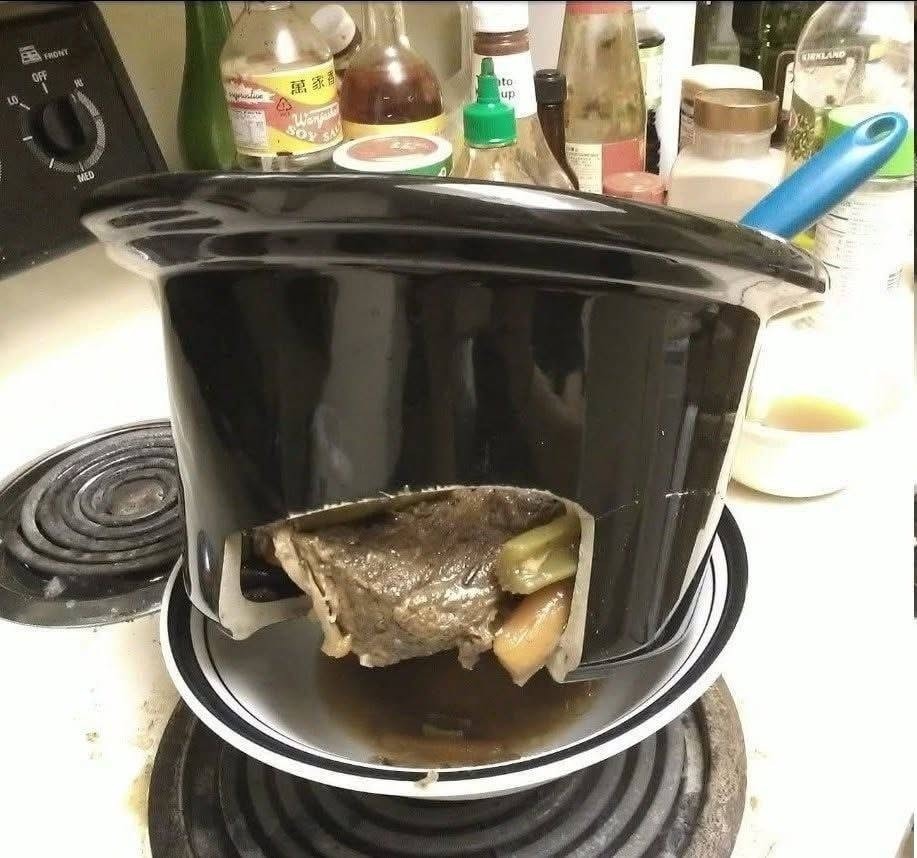
Slow cookers are an essential appliance in modern kitchens, beloved for their convenience and ability to transform tough cuts of meat into tender, flavorful meals. However, misuse of ceramic crockpot inserts—specifically placing them directly on a gas flame or electric stove burner—can result in catastrophic structural failure.
Ceramic and stoneware inserts are engineered for indirect, low-and-slow heat distribution inside an insulated heating element, not the high, localized heat of a stove burner.
Below is a detailed guide explaining thermal shock in ceramics, stovetop safety guidelines, and best practices for slow cooker care.
Slow Cooker Safety & Thermal Resistance Matrix
+-------------------------------------------------------------------+
|            SLOW COOKER INSERT SAFETY MATRIX                       |
|                                                                   |
|  [ MATERIAL ]        • Glazed stoneware / ceramic                 |
|  [ HEATING METHOD ]  • Indirect heating within slow cooker base   |
|  [ DIRECT FLAME ]    • Unsafe – causes rapid thermal expansion    |
|  [ FAILURE MODE ]    • Thermal shock cracking & shattering        |
+-------------------------------------------------------------------+
Key Highlights of Slow Cooker Crock Care:
-
Susceptibility to Thermal Shock: Rapid, uneven temperature changes cause ceramic materials to expand unequally, creating intense internal stress that cracks the vessel.
-
Design Limitations: Stoneware inserts lack the thermal expansion resilience of metals or specialized stovetop-safe glass (like Pyrex/borosilicate).
-
Safe Sear Alternatives: If a recipe calls for browning meat before slow cooking, always sear in a separate metal skillet (such as cast iron or stainless steel) before transferring ingredients.
-
Food Safety Hazards: Cracked ceramic cookware releases micro-shards into food and ruins meals, posing a severe ingestion risk.
Why Ceramic Crockpot Inserts Fail on Stovetops
1. Concentrated Heat vs. Gradual Warmth
Slow cooker heating elements gently warm the sides and bottom of the stoneware insert uniformly over several hours. In contrast, an electric coil or open gas burner delivers high, localized heat to a small area, causing localized expansion that fractures the rigid ceramic lattice.
2. Sudden Temperature Shifts
Placing a cold or room-temperature ceramic pot directly onto a preheated burner—or pouring cold liquid into a hot ceramic insert—causes immediate thermal shock.
3. Understanding Stovetop-Safe Materials
-
Safe for Stovetops: Cast iron, stainless steel, aluminum, and copper.
-
Unsafe for Stovetops: Standard stoneware, porcelain, non-borosilicate glass, and standard ceramic slow cooker inserts (unless explicitly labeled stovetop-safe by the manufacturer).
4. What to Do If Your Crock Cracks
If a ceramic insert cracks during cooking, immediately turn off the heat source. Discard the food completely to prevent consuming invisible glass or ceramic micro-fragments, and replace the insert with an official manufacturer spare part.
Conclusion
Following proper appliance care guidelines and keeping ceramic crockpot inserts off direct stovetop burners ensures safe cooking, prevents cookware destruction, and protects your meals.
Frequently Asked Questions (FAQ)
Can any slow cooker inserts go on the stove?
Some specialized modern slow cookers feature metal or multi-clad inserts that are designed for stovetop searing. Always check your appliance’s instruction manual before placing any insert on a burner.
Can you put a ceramic slow cooker insert in the oven?
Most glazed stoneware inserts are oven-safe up to 400°F (204°C), provided they are heated gradually and do not contain plastic handles or lids. Always verify manufacturer specifications first.
