
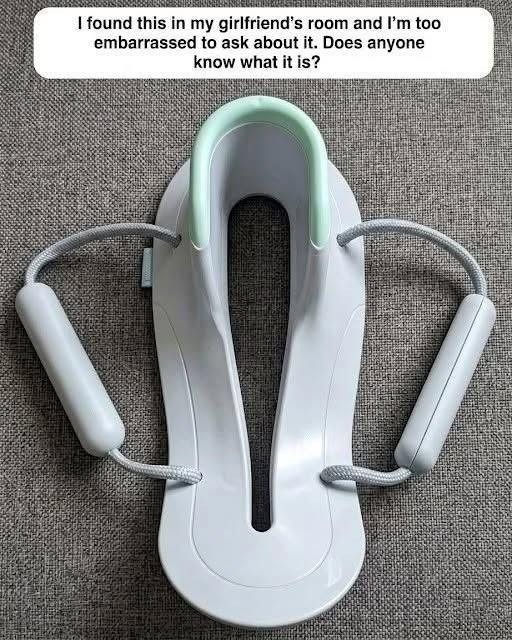
With modern lifestyle habits leading to increased screen time, “tech neck,” and desk-bound workdays, neck stiffness and poor posture have become extremely common complaints.
Ergonomic neck traction devices and cervical stretchers—such as contoured neck pads with resistance handles—are designed to gently stretch the cervical spine, relieve tight shoulder muscles, and support natural spine curvature. Incorporating targeted stretching devices into daily wellness routines helps mitigate muscular fatigue and improve spinal alignment over time.
Below is a detailed guide on how cervical traction devices work, key posture benefits, and daily habits for maintaining spine health.
Cervical Wellness & Posture Matrix
+-------------------------------------------------------------------+
|               CERVICAL WELLNESS & POSTURE MATRIX                  |
|                                                                   |
|  [ TRACTION ]        • Decompresses cervical vertebrae & discs    |
|  [ ALIGNMENT ]       • Restores natural C-curve of the neck       |
|  [ MUSCLE RELIEF ]   • Relieves upper back & shoulder tightness   |
|  [ ERGONOMICS ]      • Counters daily "tech neck" & desk strain   |
+-------------------------------------------------------------------+
Key Highlights of Neck Traction Devices:
-
Cervical Decompression: Gentle spinal traction helps open up intervertebral spaces, relieving pressure on pinched nerves and tight neck muscles.
-
Posture Restoration: Regular short sessions assist in retraining posture, helping counteract forward-head tilt caused by prolonged screen use.
-
Targeted Tension Relief: Soft contoured padding supports the base of the skull (suboccipital muscles) to alleviate tension headaches.
-
Convenient Home Care: Lightweight, non-invasive designs allow for quick 5-to-10-minute daily stretching routines at home.
Benefits & Best Practices for Posture Stretchers
1. Gentle Cervical Decompression
-
How It Works: Lying back onto the contoured frame allows gravity to gently pull the head away from the shoulders.
-
The Benefit: Reduces pressure on spinal discs and promotes increased blood circulation to neck tissue.
2. Muscle Tension Release
-
How It Works: Built-in resistance handles or straps allow users to control gentle stretching angles for shoulders and upper back muscles.
-
The Benefit: Relieves persistent muscle knots, shoulder tightness, and stress-induced neck stiffness.
3. Retraining Natural Curvature
-
How It Works: Resting the neck over the ergonomic curve reinforces the natural inward arch (lordosis) of the cervical spine.
-
The Benefit: Promotes better resting posture whether standing, sitting, or working at a desk.
4. Simple Daily Routine
-
How It Works: Use the device on a flat surface or rug for 5 to 10 minutes once or twice daily.
-
The Benefit: Establishes a relaxing mindfulness and stretching habit to unwind at the end of the day.
Conclusion
Using ergonomic posture devices and gentle cervical traction tools provides a convenient, non-invasive way to decompress the spine, ease daily neck strain, and support healthy posture.
Frequently Asked Questions (FAQ)
How long should you use a cervical neck stretcher each day?
Most specialists recommend starting with 5 minutes per day, gradually building up to 10–15 minutes once or twice daily as your muscles adapt to the stretch.
Can neck traction help with tension headaches?
Yes. By gently stretching tight muscles at the base of the skull and releasing cervical pressure, neck traction devices frequently help ease headaches caused by neck strain.
