
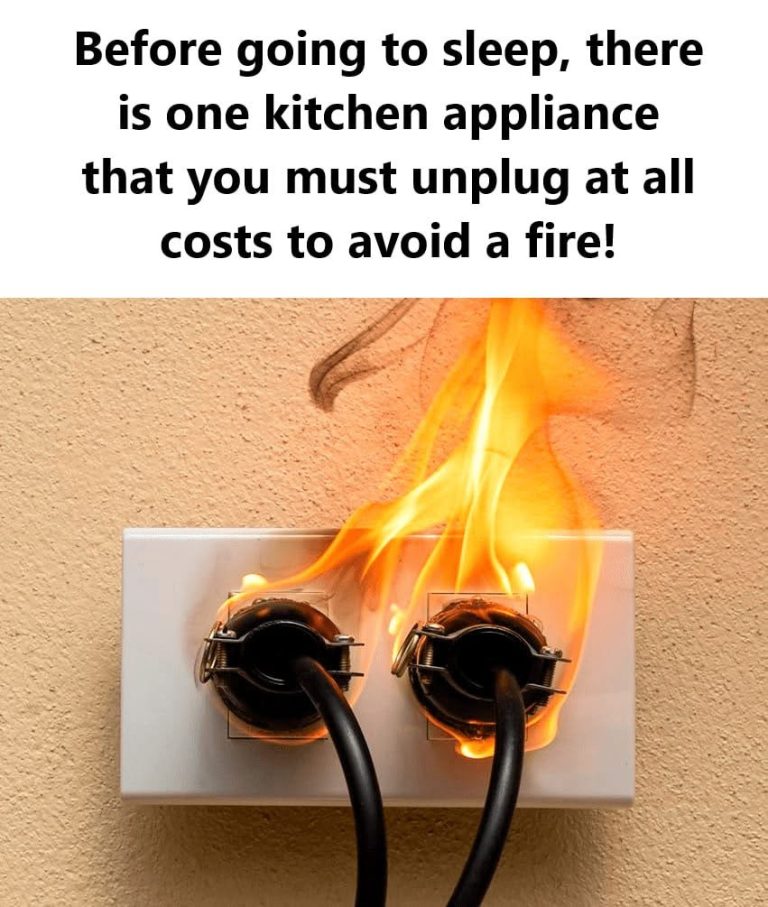
Electrical safety in the kitchen is essential for protecting your home and family. While larger appliances like refrigerators and freezers remain plugged in continuously, smaller countertop appliances—particularly those with high-wattage heating elements—pose unique risks when left unattended overnight.
Among all countertop gadgets, the toaster (and toaster oven) is frequently highlighted by fire safety organizations as a primary appliance to unplug after use.
Below is an overview of why certain kitchen appliances present fire risks and how simple unplugging habits protect your household.
Kitchen Appliance Fire Hazard Matrix
+-------------------------------------------------------------------+
|            KITCHEN APPLIANCE ELECTRICAL SAFETY MATRIX             |
|                                                                   |
|  [ HIGH RISK ]       • Toasters & Toaster Ovens (crumbs & coils)  |
|                      • Air Fryers & Electric Kettles (high heat)  |
|  [ MODERATE RISK ]   • Coffee Makers & Slow Cookers (continuous)  |
|  [ SAFETY RULE ]     • Unplug countertop heating units when quiet |
+-------------------------------------------------------------------+
Key Highlights of Appliance Safety:
-
Heating Coils & Crumbs: Toasters contain exposed heating elements alongside organic residue (bread crumbs) that can ignite if an internal mechanism jammed or malfunctioned.
-
Phantom Draw & Voltage Surges: Leaving small heating appliances connected leaves them vulnerable to electrical surges or internal switch short circuits overnight.
-
High-Wattage Draw: Countertop cooking appliances pull significant current (often 1,000 to 1,800 watts), putting extra stress on older outlets or worn cords.
-
Preventative Routine: Disconnecting small heating devices before sleep removes the power source entirely, preventing unexpected thermal runaway.
The Primary Appliance Concerns
1. Toasters and Toaster Ovens
-
The Mechanism: Mechanical spring switches or electronic timers can fail in the “on” position.
-
Fire Hazard: Accumulated bread crumbs beneath heating elements present flammable material inside an enclosed space.
2. Air Fryers and Portable Countertop Ovens
-
The Mechanism: High-wattage heating elements combined with rapid air circulation fans draw substantial power.
-
Fire Hazard: Internal thermal sensors can degrade over time, leading to overheating if left plugged into active power.
3. Electric Kettles and Coffee Makers
-
The Mechanism: Automatic shutoff switches can wear down over years of daily steam exposure.
-
Fire Hazard: Dry heating (when water boils off completely) can melt plastic housing and ignite surrounding materials.
Essential Kitchen Fire Safety Rules
-
Unplug After Use: Get into the habit of unplugging all small countertop heating appliances immediately after preparing food or drinks.
-
Clear Surrounding Areas: Keep paper towels, dish cloths, and wooden utensils away from power outlets and hot appliances.
-
Inspect Cords Regularly: Replace any appliance with frayed wiring, damaged insulation, or loose plug prongs.
-
Clean Crumb Trays: Regularly empty toaster crumb trays to eliminate buildup of combustible materials.
Conclusion
Developing the simple habit of unplugging small heating appliances before bed provides immediate peace of mind and significantly reduces household electrical fire risks.
Frequently Asked Questions (FAQ)
Is it necessary to unplug my refrigerator or microwave overnight?
No. Major appliances like refrigerators are built for continuous operation, and microwaves draw negligible standby power while remaining safe when properly maintained.
What is the most dangerous kitchen appliance to leave plugged in?
Toasters and toaster ovens are considered particularly risky because they combine high-wattage heating coils with loose, combustible bread crumbs.
