
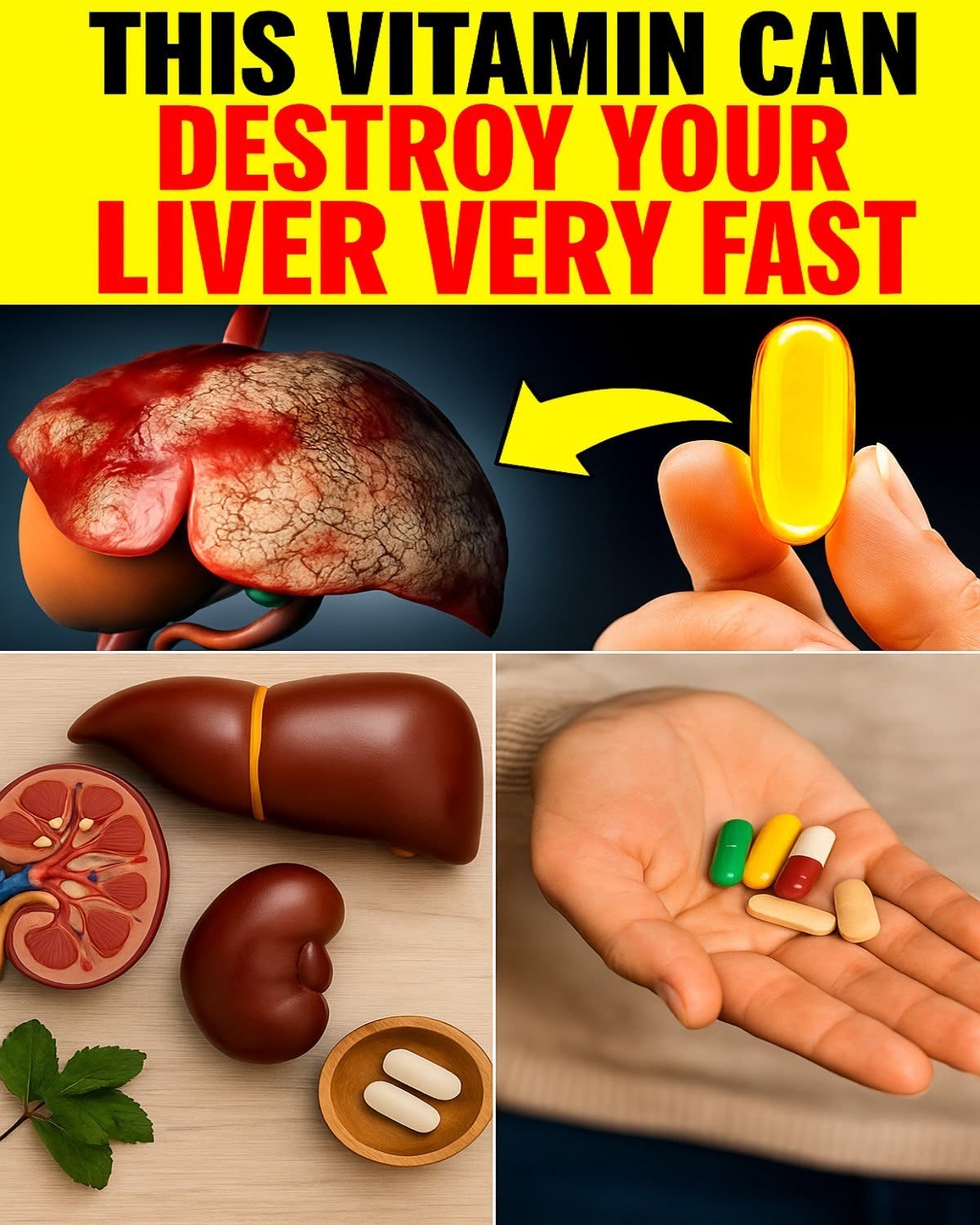
Vitamins and dietary supplements are widely used to support immunity, energy, and overall health. However, the common assumption that “more is better” can lead to dangerous health complications, particularly for the liver.
Because the liver is responsible for processing, storing, and metabolizing nutrients, consuming excessive amounts of certain fat-soluble vitamins or high-dose nutrients can lead to hepatotoxicity (liver damage).
Below is an overview of the vitamins most commonly associated with liver toxicity, signs of supplement overload, and guidelines for safe consumption.
Liver Safety & Vitamin Toxicity Matrix
+-------------------------------------------------------------------+
|               VITAMIN OVERDOSE & LIVER SAFETY MATRIX              |
|                                                                   |
|  [ VITAMIN A ]       • Fat-soluble; high doses store in liver     |
|                        cells and cause chronic damage             |
|  [ NIACIN (B3) ]     • High-dose therapeutic levels can elevate   |
|                        liver enzymes                              |
|  [ VITAMIN D ]       • Excess intake leads to calcium buildup &   |
|                        organ stress                               |
|  [ PRECAUTION ]      • Adhere to Tolerable Upper Intake Levels    |
+-------------------------------------------------------------------+
Key Highlights of Vitamin Toxicity:
-
Fat-Soluble Accumulation: Water-soluble vitamins (like Vitamin C and B-complex) are excreted through urine when taken in excess, but fat-soluble vitamins (A, D, E, and K) accumulate in liver tissue.
-
Vitamin A Risks: Consuming excessive preformed Vitamin A (retinol) over extended periods can cause stellate cells in the liver to engorge, leading to liver fibrosis or scarring.
-
Niacin (Vitamin B3) Caution: High doses of Niacin, often taken for cholesterol management, can cause liver enzyme elevations and hepatotoxicity if unmonitored.
-
Importance of RDA: Staying within the Recommended Dietary Allowance (RDA) prevents nutrient buildup while delivering essential health benefits.
Primary Vitamins and Nutrients Affecting Liver Health
1. Preformed Vitamin A (Retinol)
-
The Mechanism: Unlike beta-carotene (found in vegetables), preformed Vitamin A accumulates directly in liver fat cells.
-
Toxicity Risk: Chronic high doses (exceeding 10,000 IU/day without medical supervision) can result in liver enlargement, elevated liver enzymes, and long-term tissue strain.
2. Niacin (Vitamin B3)
-
The Mechanism: Sustained-release high-dose Niacin formulations can put high metabolic strain on hepatic pathways.
-
Toxicity Risk: Daily doses exceeding 2,000 mg can lead to jaundice, fatigue, and elevated transaminase levels.
3. Iron and Heavy Minerals
-
The Mechanism: While not a vitamin, excess iron supplementation leads to iron overload (hemochromatosis), storing severe amounts of excess iron in the liver.
-
Toxicity Risk: Leads to oxidative stress and tissue damage in hepatic structures.
Guidelines for Safe Supplementation
-
Check Upper Limits: Always look at the Tolerable Upper Intake Level (UL) before starting a high-dose single-vitamin supplement.
-
Consult Healthcare Professionals: Speak with a doctor or registered dietitian before taking megadoses of fat-soluble vitamins.
-
Prefer Whole Foods: Whenever possible, obtain vitamins from a balanced diet containing fruits, vegetables, lean proteins, and whole grains.
Conclusion
Vitamins are vital for maintaining optimum wellness, but moderation is key to protecting your liver from unnecessary strain. Following recommended daily allowances ensures you reap the health benefits without risking liver safety.
Frequently Asked Questions (FAQ)
Which vitamin is most harmful to the liver in excess?
Preformed Vitamin A (retinol) and high-dose Niacin (Vitamin B3) are the most documented vitamins capable of causing liver strain and toxicity when taken in large doses over time.
Are multivitamins safe for daily use?
Yes, standard daily multivitamins containing 100% or less of the Daily Value (DV) for vitamins and minerals are generally safe for healthy individuals.
