
Food culture evolves constantly. What was once considered the height of fine dining or everyday comfort food in decades past can quickly fall out of favor, replaced by modern culinary trends and changing tastes.
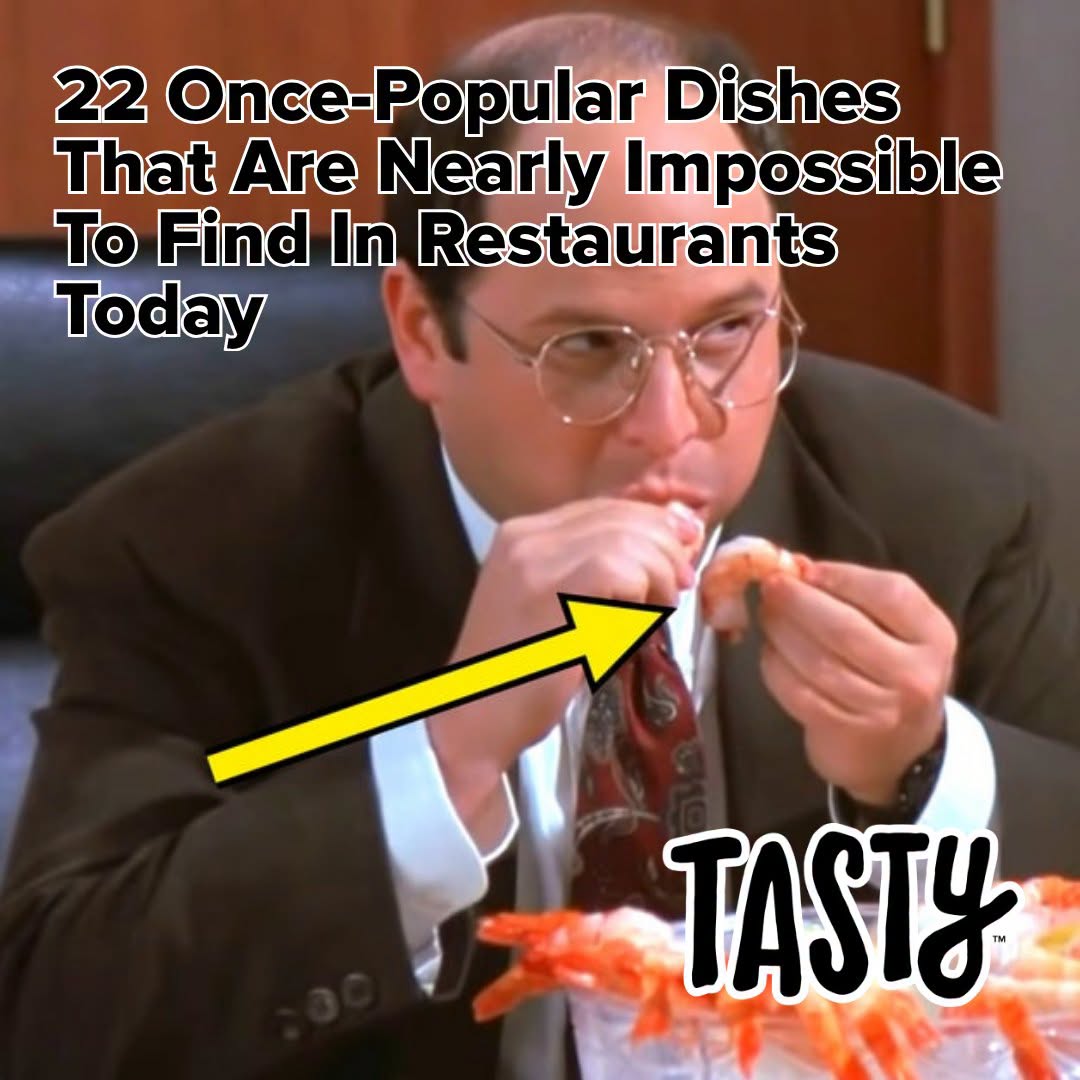
Featuring George Costanza’s iconic shrimp-eating scene from Seinfeld, this list highlights classic dishes that once defined restaurant menus across North America and Europe, but have since become exceedingly rare.
Below, we examine why classic dishes fade away and look at some of the most iconic retro foods currently making a nostalgic comeback.
Retro Dining Overview & Trend Matrix
+-------------------------------------------------------------------+
|                    RETRO FOOD TREND OVERVIEW                      |
|                                                                   |
|  [ FEATURED SCENE ] • George Costanza Eating Shrimp (Seinfeld)   |
|  [ PEAK ERAS ]      • 1950s - 1990s Fine & Casual Dining        |
|  [ MAIN REASONS ]   • Changing Palates, High Labor, Cost Factors  |
|  [ CATEGORIES ]     • Classic Appetizers, Meat & Dessert Icons    |
+-------------------------------------------------------------------+
Key Highlights of Vanishing Culinary Classics:
-
High-Labor Preparation: Many traditional dishes required intricate knife work, table-side service, or precise baking techniques that modern fast-casual kitchens avoid.
-
Shift Toward Lighter Dining: Heavier cream-based sauces, gelatin-bound salads, and rich meats have yielded ground to plant-forward and lighter dietary options.
-
Nostalgia Factor: Food lovers and retro enthusiasts frequently seek out vintage recipes to recreate mid-century dining experiences at home.
-
Pop Culture Icons: Pop culture moments—like George Costanza hoarding shrimp—keep vintage food moments alive in popular memory.
Classic Disappearing Dishes: Highlights & History
1. Classic Shrimp Cocktail
While still found at traditional steak houses, the iconic 1970s appetizer—jumbo chilled shrimp served with zesty horseradish cocktail sauce—is far less ubiquitous on modern casual menus than it once was.
2. Beef Wellington & Meatloaf Specials
Intricate retro entrees like Beef Wellington (tenderloin wrapped in mushroom duxelles and puff pastry) or traditional diner meatloaf plates require significant prep time, making them rare daily menu items.
3. Retro Gelatin & Aspic Creations
Mid-century savory gelatins, fruit molds, and aspics were once culinary staples at family buffets and dinner parties, but have largely vanished from contemporary restaurant offerings.
Why Restaurant Menus Have Changed
-
Ingredient Costs & Supply: High-cost seafood and premium cuts of meat require tight inventory control.
-
Speed and Convenience: Modern dining places a strong premium on fast execution and streamlined kitchen prep times.
-
Health and Dietary Trends: Modern consumers often lean toward lower-carb, farm-to-table, and allergy-friendly dining choices.
Conclusion
While food trends come and go, retro cuisine holds a special place in culinary history. Exploring vintage menus offers a fascinating window into how tastes, culture, and dining habits evolve over time.
Frequently Asked Questions (FAQ)
Why did classic dishes become rare in modern restaurants?
Changing consumer palates, higher labor costs for intricate prep, and a preference for lighter, faster meals contributed to their decline.
Where can you still find vintage restaurant dishes?
Traditional steak houses, retro diners, supper clubs, and specialized fine-dining establishments often maintain classic retro dishes on their menus.
