
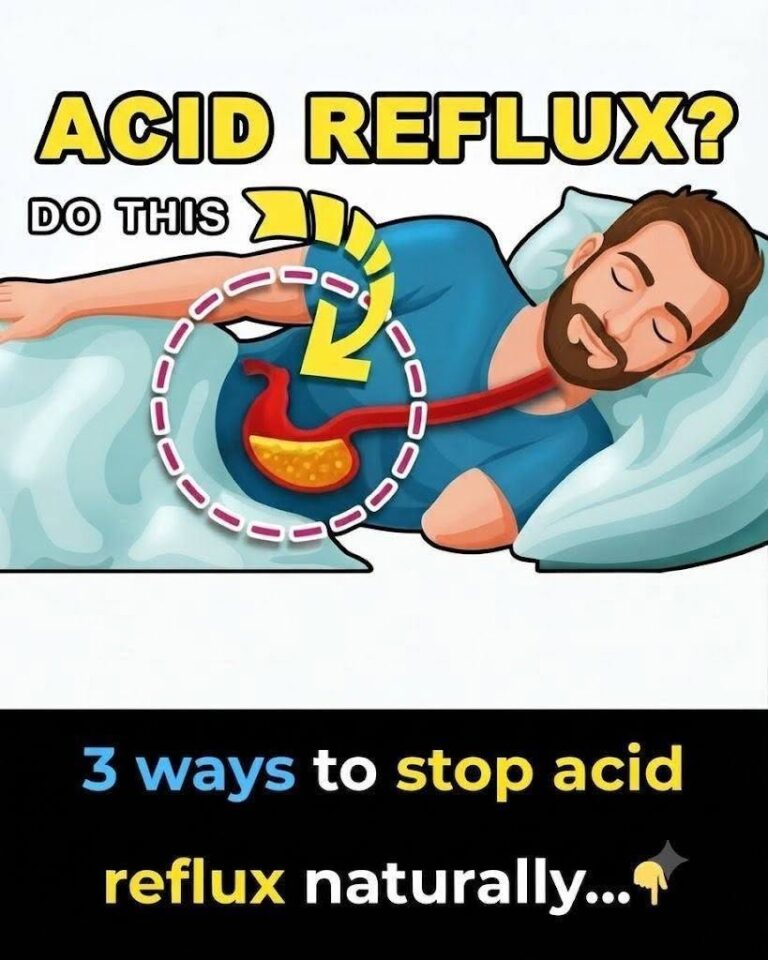
Acid reflux is extremely common. For some people, it appears only occasionally after a large or spicy meal. For others, it happens frequently enough to interfere with sleep, eating, or daily comfort.
One important point is often misunderstood: acid reflux is **not simply a problem of having “too much stomach acid.”** It usually happens because stomach contents move backward into the esophagus, where they can irritate tissue that is not designed to handle repeated exposure to acid. The good news is that many people can reduce symptoms with practical lifestyle changes. Others may need medication or medical evaluation, especially when symptoms are frequent or persistent.
## What Is Acid Reflux?
At the bottom of the esophagus is a ring of muscle called the **lower esophageal sphincter**, or LES.
Normally, it opens to let food enter the stomach and then closes again.
Acid reflux happens when this muscle becomes weak or relaxes when it should not, allowing stomach contents to travel back upward into the esophagus.
Occasional reflux is common. When symptoms become frequent or cause complications, the condition may be diagnosed as **gastroesophageal reflux disease, or GERD**.
## Common Symptoms of Acid Reflux
The classic symptom is heartburn, usually described as a burning sensation behind the breastbone.
Other possible symptoms include: * Sour or bitter taste in the mouth
* Regurgitation of food or stomach contents
* Chest discomfort
* Nausea
* Difficulty swallowing
* Chronic cough
* Hoarseness
* Throat irritation
Not everyone with GERD experiences classic heartburn.
## Why Does Acid Reflux Happen?
Several factors can make reflux more likely.
### Eating Large Meals
A very full stomach creates more pressure, which may make it easier for stomach contents to move upward.
### Lying Down Soon After Eating Gravity helps keep stomach contents in place while you are upright.
When you lie flat shortly after eating, reflux can occur more easily. NIDDK recommends allowing about three hours between your last meal and lying down if nighttime reflux is a problem.
### Excess Body Weight
Extra abdominal pressure can increase the likelihood of reflux. Weight loss may reduce GERD symptoms in people who are overweight or have obesity.
### Smoking
Smoking can interfere with normal function of the lower esophageal sphincter and may worsen reflux.
### Hiatal Hernia
A hiatal hernia occurs when part of the stomach moves upward through the diaphragm. It can increase the likelihood of developing reflux or make existing GERD worse.
## Foods and Drinks That May Trigger Symptoms
There is no single reflux diet that works for everybody. Commonly reported triggers include:
* High-fat foods
* Chocolate
* Coffee and other caffeinated drinks
* Alcohol
* Mint
* Spicy foods
* Citrus fruits
* Tomatoes and tomato-based foods
The key word is **may**.
NIDDK specifically recommends identifying foods that worsen your own symptoms instead of automatically removing every food associated with reflux.
## 5 Natural Ways to Help Manage Acid Reflux
These strategies are not miracle cures, but they are among the most widely recommended lifestyle approaches for reducing reflux symptoms.
## 1. Avoid Eating Too Close to Bedtime This is particularly important for nighttime reflux.
Try to finish your evening meal at least **three hours before lying down or going to sleep**. This gives the stomach more time to empty and reduces the chance of contents moving upward while you are horizontal.
Late-night snacks may also trigger symptoms in some people.
## 2. Eat Smaller Meals
Large portions can increase pressure inside the stomach.
Instead of overeating at one sitting, try:
* Slightly smaller portions
* Eating more slowly
* Chewing thoroughly
* Stopping before you feel overly full
This is especially useful if your reflux tends to occur immediately after meals.
## 3. Identify Your Personal Trigger Foods You do not necessarily need to avoid tomatoes, coffee, citrus, chocolate, or spicy foods forever.
A more practical approach is to keep a simple food-and-symptom diary.
Write down:
* What you ate
* When you ate it
* When symptoms appeared
* How severe they were
After a couple of weeks, patterns may become easier to recognize.
## 4. Elevate Your Upper Body at Night
For people who frequently experience reflux while sleeping, raising the upper body can help.
NIDDK recommends elevating the head and upper back by about **6 to 8 inches**, while Mayo Clinic notes that a wedge or raising the head of the bed is more effective than simply stacking extra pillows.
Sleeping on the left side may also reduce reflux for some people.
## 5. Work Toward a Healthy Weight if Needed If you are overweight or have obesity, gradual weight loss may reduce abdominal pressure and improve reflux symptoms.
This is one of the more consistently recommended lifestyle measures for GERD.
The goal does not need to be extreme weight loss. Sustainable changes in eating habits and physical activity are more useful than crash diets.
## Other Habits That May Help
A few additional changes can make a difference:
* Stop smoking
* Avoid clothing that is very tight around the waist
* Avoid bending over immediately after eating
* Eat slowly
* Limit alcohol if it worsens symptoms
* Remain upright after meals
* Stay physically active
The most effective approach is often a combination of several small changes rather than relying on one remedy.
## What Foods May Be Easier to Tolerate? There is no universal “safe” food list, but many people find less acidic and lower-fat foods easier to tolerate.
Examples may include:
* Oatmeal
* Brown rice
* Whole grains
* Bananas
* Melons
* Leafy vegetables
* Broccoli
* Cucumbers
* Lean chicken
* Turkey
* Fish
* Tofu
* Low-fat yogurt, if tolerated
Individual reactions vary, so the best diet is one that provides balanced nutrition without repeatedly triggering symptoms.
## What About Baking Soda, Apple Cider Vinegar, or Herbal Remedies? These are frequently promoted online, but they should not be treated as proven GERD treatments.
Apple cider vinegar may actually worsen symptoms in some people because it is acidic.
Baking soda can temporarily neutralize acid, but frequent use can provide large amounts of sodium and may interact with certain medications.
Herbal products can also cause side effects or drug interactions.
Lifestyle changes with established evidence are a safer starting point.
## When Lifestyle Changes Are Not Enough
Some people continue to experience frequent reflux despite making sensible lifestyle changes.
Treatment options can include:
* Antacids
* H2 blockers
* Proton pump inhibitors, or PPIs
PPIs reduce stomach acid and are generally more effective than H2 blockers for healing inflammation of the esophagus.
Over-the-counter treatment can be useful for occasional symptoms, but frequent or persistent symptoms should be discussed with a healthcare professional.
## When Should You See a Doctor Medical evaluation is important if reflux symptoms are persistent or if you develop warning signs such as:
* Difficulty or pain when swallowing
* Persistent vomiting
* Unexplained weight loss
* Loss of appetite
* Vomiting blood
* Black or tarry stools
* Ongoing chest pain
These symptoms can indicate complications or a condition other than ordinary reflux.
Chest pain deserves particular caution because heart problems can sometimes resemble severe heartburn.
## Can Untreated GERD Cause Complications?
Yes, although most people do not develop serious complications.
Long-term reflux can sometimes contribute to:
* Esophagitis
* Esophageal ulcers
* Narrowing of the esophagus
* Barrett’s esophagus
This is another reason persistent reflux should not simply be ignored.
## Common Acid Reflux Myths ### “Reflux means my stomach produces too much acid.”
Not necessarily.
The main problem is often that stomach contents are moving into the wrong place—the esophagus.
### “Everyone with reflux must avoid the same foods.”
No.
Trigger foods vary considerably between individuals.
### “Milk cures heartburn.”
Not reliably.
Some people may feel temporary relief, while high-fat dairy products can worsen symptoms in others.
### “Natural means safe.”
Not always.
Some popular home remedies can irritate the digestive system, interact with medication, or delay appropriate treatment.
## The Bottom Line
Acid reflux happens when stomach contents move backward into the esophagus. Occasional symptoms are common, but frequent or persistent reflux may indicate GERD.
Five of the most practical ways to reduce symptoms are: 1. Avoid lying down for about three hours after eating.
2. Eat smaller meals.
3. Identify your personal trigger foods.
4. Elevate your upper body if reflux occurs at night.
5. Work toward a healthy weight if excess weight is contributing.
These changes can help many people, but they do not replace medical treatment when GERD is persistent or complicated.
If you develop difficulty swallowing, gastrointestinal bleeding, unexplained weight loss, persistent vomiting, or significant chest pain, seek medical evaluation rather than trying to manage the problem entirely at home.
