
Why Building Blanket Forts Was the Ultimate Childhood Entertainment
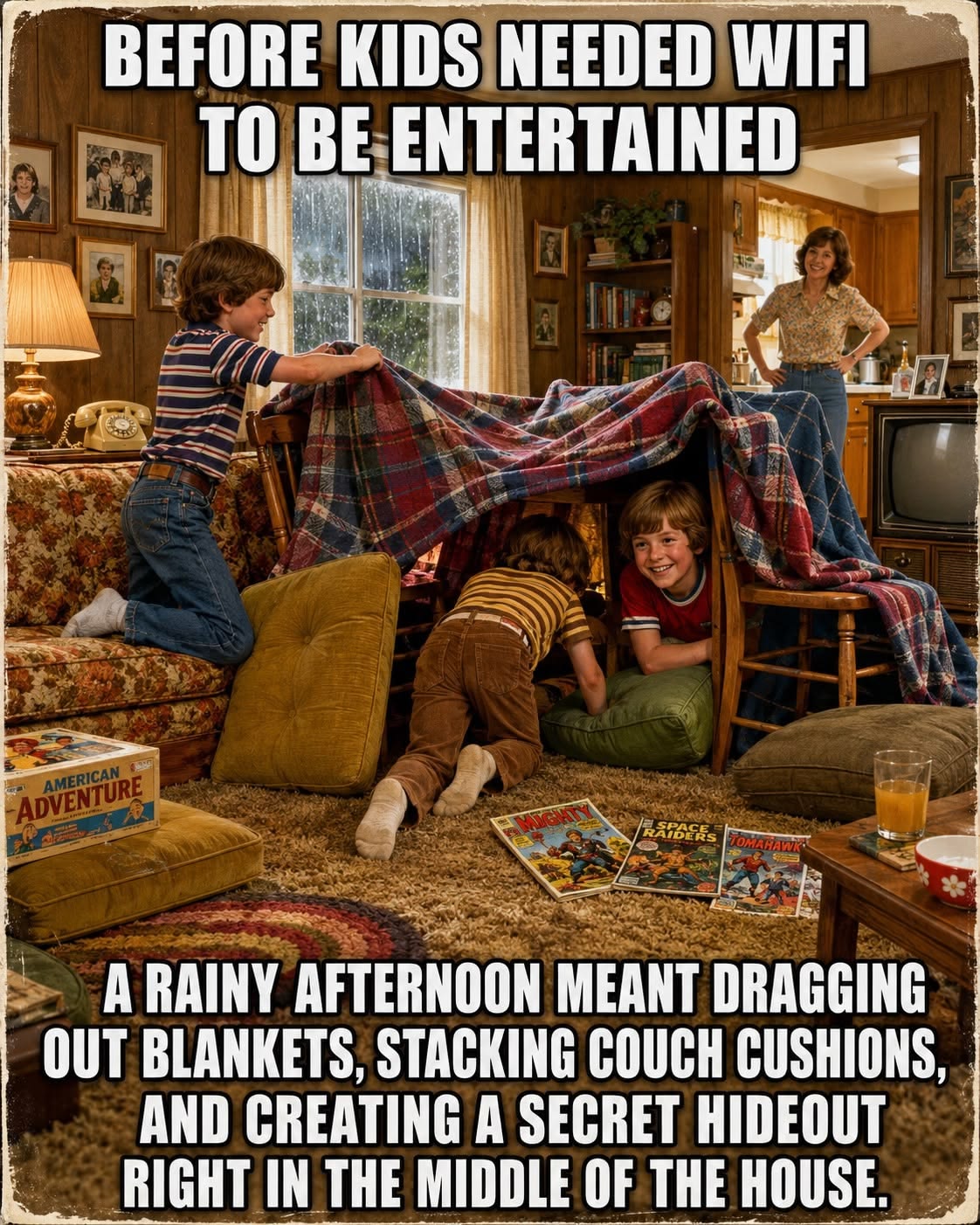
Before the era of high-speed Wi-Fi, tablets, streaming video games, and round-the-clock digital entertainment, a rainy afternoon required a completely different kind of imagination. Instead of logging onto a screen, children turned living room furniture into architectural marvels. Dragging heavy woolen blankets, stripping cushions off the living room sofa, and wedging pillows between chairs transformed ordinary family spaces into secret hideouts, royal castles, and secret subterranean bases.
Examining the history of imaginative play, the architecture of childhood creativity, and why these tactile pastimes remain so powerfully nostalgic reveals the deep value of unplugged leisure.
The Architecture of Imagination: How Blanket Forts Were Built
Building a successful indoor fort was no small engineering feat; it required strategic thinking, structural coordination, and plenty of trial and error. Every household item served a distinct purpose in the construction process:
The Supporting Pillars: Heavy wooden kitchen chairs, coffee table edges, and couch backs served as the primary load-bearing structures.
The Roof Canopy: Heavy plaid blankets, quilts, and bedsheets were draped carefully over the frame to block out the outside world.
Anchoring Weights: Couch cushions, heavy books, and sofa pillows pinned down loose blanket corners to keep the roof from collapsing.
Once completed, crawling inside with a stack of comic books, a flashlight, and a small snack felt like entering an entirely different dimension away from the adult world.
The Psychology of Creative Play Without Screens
Child development experts frequently highlight the importance of unstructured, imaginative play in fostering cognitive growth, problem-solving skills, and emotional resilience. When children design their own play environments from scratch, they exercise spatial reasoning, negotiation skills, and resourcefulness.
In contrast to modern digital entertainment—which provides passive, pre-rendered graphics and instant stimulation—blanket forts required kids to invent their own narratives, rules, and adventures. This active form of play stimulated creativity in ways that contemporary video games and streaming algorithms cannot replicate.
Fosters Independence: Children learn how to build, troubleshoot, and manage their own play spaces without adult intervention.
Encourages Social Bonding: Siblings and friends collaborated closely, sharing ideas and working together to expand their secret headquarters.
Reduces Screen Fatigue: Stepping away from digital devices helps lower mental strain, encouraging deeper relaxation and tactile engagement.
Financial Wisdom, Simplicity, and Frugal Upbringing
The tradition of building living room forts also highlights a broader philosophy of financial simplicity. Entertainment did not require purchasing expensive plastic toys, subscription services, or high-tech gadgets. The best entertainment was created using everyday household items that families already owned.
Applying this mindset of resourcefulness to modern household budgeting provides valuable benefits:
Avoid Overspending on Toys: Children often derive more joy and long-term engagement from open-ended, creative play materials than from expensive, single-use toys.
Maximize Existing Resources: Utilizing what is already available in the home—such as boxes, blankets, and cushions—keeps family entertainment costs low.
Prioritize Experiential Memories: Investing time into shared family activities and creative projects builds lasting emotional bonds that far outweigh material purchases.
Practical Tips for Bringing Creative Fort-Building Back Today
If you want to introduce children or grandchildren to the classic joy of indoor fort building, here are a few simple ways to elevate the experience:
Incorporate String Lights: Weave battery-operated fairy lights or Christmas lights through the blanket canopy to create a cozy, magical interior atmosphere.
Stock the Fort: Bring in classic books, board games, or flashlights for shadow puppets to keep children engaged for hours.
Use Sturdy Clips: Keep large binder clips or clothespins on hand to easily secure blankets to chair backs without slipping.
Embrace the Mess: Allow the living room to remain playfully disordered for the afternoon, knowing that imaginative play is well worth a little temporary untidiness.
Fascinating Facts About Childhood Play History
The Origins of Indoor Forts: Historians note that improvising shelters using household textiles is a universal form of play practiced by children across countless cultures and generations throughout history.
The Evolution of Living Room Furniture: The mid-century rise of large sectional sofas and comfortable, movable cushions in the 20th century accidentally created the ultimate raw materials for indoor architecture.
Cognitive Benefits of Den-Building: Modern psychological studies show that building small, enclosed spaces (“dens” or “forts”) satisfies a primal human instinct for safety, privacy, and personal autonomy during childhood development.
Conclusion
The memory of building blanket fortresses on rainy afternoons represents a wonderful era when childhood was defined by imagination rather than internet connectivity. It reminds us that joy often comes from simple materials, creative freedom, and cozy spaces shared with loved ones. Bringing a little of that hands-on magic back into our homes is a wonderful reminder of how simple life used to be.
FAQ Section
Why do kids love building blanket forts?
Building forts satisfies a natural desire for privacy, autonomy, and cozy enclosure while allowing children to exercise spatial creativity and imaginative storytelling.
What are the best household items for building a sturdy fort?
Heavy wooden chairs, sofa cushions, sturdy blankets, and large binder clips or clothespins make the most secure and long-lasting indoor structures.
How does unstructured play benefit child development?
Unstructured play helps develop problem-solving skills, emotional regulation, social cooperation, and spatial reasoning without the passive overstimulation of digital screens.
