
Outdoor Cooking with Traditional Clay Cookers: Exploring Terra Cotta Grills and Fire Pits
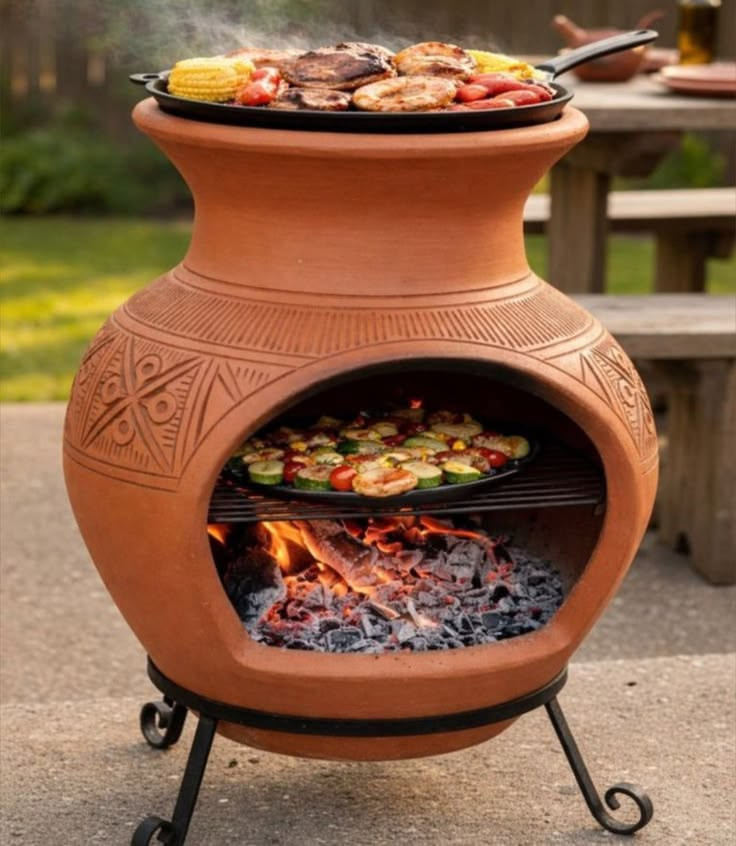
When it comes to outdoor cooking, grilling, and backyard entertaining, modern stainless steel barbecues usually steal the spotlight. However, there is a growing appreciation for traditional, rustic cooking methods that utilize natural materials like clay and terra cotta. A popular photo currently making waves online showcases a beautifully crafted clay chiminea-style outdoor oven being used simultaneously for open-fire grilling on top and roasting vegetables on an inner rack above glowing charcoal embers.
In this comprehensive guide, we will explore the history and mechanics of clay outdoor cookers, practical tips for safe terra cotta usage, the culinary advantages of clay heat retention, and how exploring traditional cooking techniques connects us to historical heritage.
The Tradition of Clay Cookers and Chimineas
Clay and terra cotta have been used for thousands of years across ancient civilizations for baking bread, roasting meats, and heating living spaces.
Key Characteristics of Clay Cookers
Exceptional Heat Retention: Clay absorbs and distributes heat evenly, acting as a natural thermal mass that keeps cooking temperatures steady long after the initial fire has burned down to coals.
Moisture Preservation: Unlike metal grills that can dry out foods quickly, clay ovens radiate a gentle, enveloping heat that helps lock in natural juices and flavors.
Aesthetic Appeal: With traditional hand-carved geometric patterns and earthy red tones, clay cookers serve as stunning decorative focal points for patios and backyards.
Just as investing time in traditional culinary arts enriches your cooking experience, applying careful planning to your daily routine, finances, and personal projects ensures long-term success.
Dual-Level Cooking: Grilling and Roasting
The setup shown in the viral image highlights the incredible versatility of traditional clay cookers:
1. Direct Coals and Bottom Fire Pit
At the base of the clay cooker, glowing wood embers and charcoal provide intense radiant heat. This setup is ideal for searing meats, boiling, or generating steady heat for the upper cooking surfaces.
2. Inner Rack for Roasting Vegetables
Positioned right above the fire is an interior grill grate holding a skillet filled with sliced vegetables (such as zucchini, tomatoes, and peppers). This intermediate level allows for gentle roasting and sautéing without scorching.
3. Top Skillet Grilling
At the very top opening of the clay vessel sits a cast-iron skillet loaded with corn on the cob, meats, and sliced patties, utilizing the rising heat column for simultaneous outdoor cooking.
Practical Tips for Using Terra Cotta Outdoors
If you want to incorporate a clay cooker or chiminea into your backyard setup, keeping a few essential maintenance tips in mind ensures safety and longevity:
Prevent Thermal Shock: Clay is sensitive to sudden, extreme temperature changes. Always start with a small kindling fire to warm the clay gradually before building a massive blaze.
Protect from Moisture: Terra cotta is porous and can absorb water. If exposed to freezing winter temperatures while wet, the trapped water can expand and crack the clay. Always store your cooker under a protective cover or indoors during winter.
Cure Before Use: If your clay cooker is brand new, follow the manufacturer’s curing instructions—often involving light initial fires—to temper the material safely.
Consult Professionals: When undertaking major outdoor landscaping, patio construction, or installing permanent fire pits, consult with qualified contractors, local building authorities, or fire safety professionals.
Interesting Facts About Clay Cookware and Early Architecture
Ancient Origins: Some of the earliest known clay ovens date back over 9,000 years to ancient Mesopotamian and Neolithic settlements, where communal clay ovens were used for daily baking.
The Etymology of Chiminea: Originating in Mexico, traditional chimineas were originally designed to heat homes while keeping indoor smoke to a minimum through their vertical chimneys.
The Physics of Thermal Mass: Clay and brick have high specific heat capacities compared to thin sheet metal, meaning they absorb heat slowly and release it evenly over extended periods.
Global Cooking Traditions: From Japanese kamado grills (ancestors of modern ceramic smokers) to Indian tandoor ovens, clay-based cooking vessels are found in nearly every ancient culinary tradition.
Conclusion
Outdoor cooking with traditional clay vessels offers a wonderful blend of history, aesthetic charm, and functional versatility. Whether you are roasting vegetables on an inner rack or grilling meats on top, terra cotta cookers provide a unique culinary experience that connects us to ancient cooking traditions.
As you explore new recipes, lifestyle improvements, and backyard projects, remember that embracing thoughtful, time-tested methods brings both joy and lasting satisfaction.
Frequently Asked Questions (FAQ)
1. Can any clay pot be used as an outdoor grill?
No. Standard flower pots or decorative indoor ceramics are not designed to withstand high open-fire temperatures and can crack or shatter. You must use specialized fire-resistant clay cookers or chimineas built for high heat.
2. How do you prevent a clay chiminea from cracking?
Prevent cracking by avoiding sudden high heat (thermal shock), starting small fires to warm the clay gradually, and keeping the cooker dry and protected from freezing rain or snow.
3. What foods cook best in a clay outdoor oven?
Clay cookers are fantastic for roasting meats, baking artisanal breads, roasting root vegetables, and slow-cooking dishes that benefit from even, ambient radiant heat.
4. How do I clean a terra cotta cooking surface?
Allow the clay and grates to cool down completely. Use warm water and a soft brush, avoiding harsh chemical soaps that can seep into the porous clay material.
