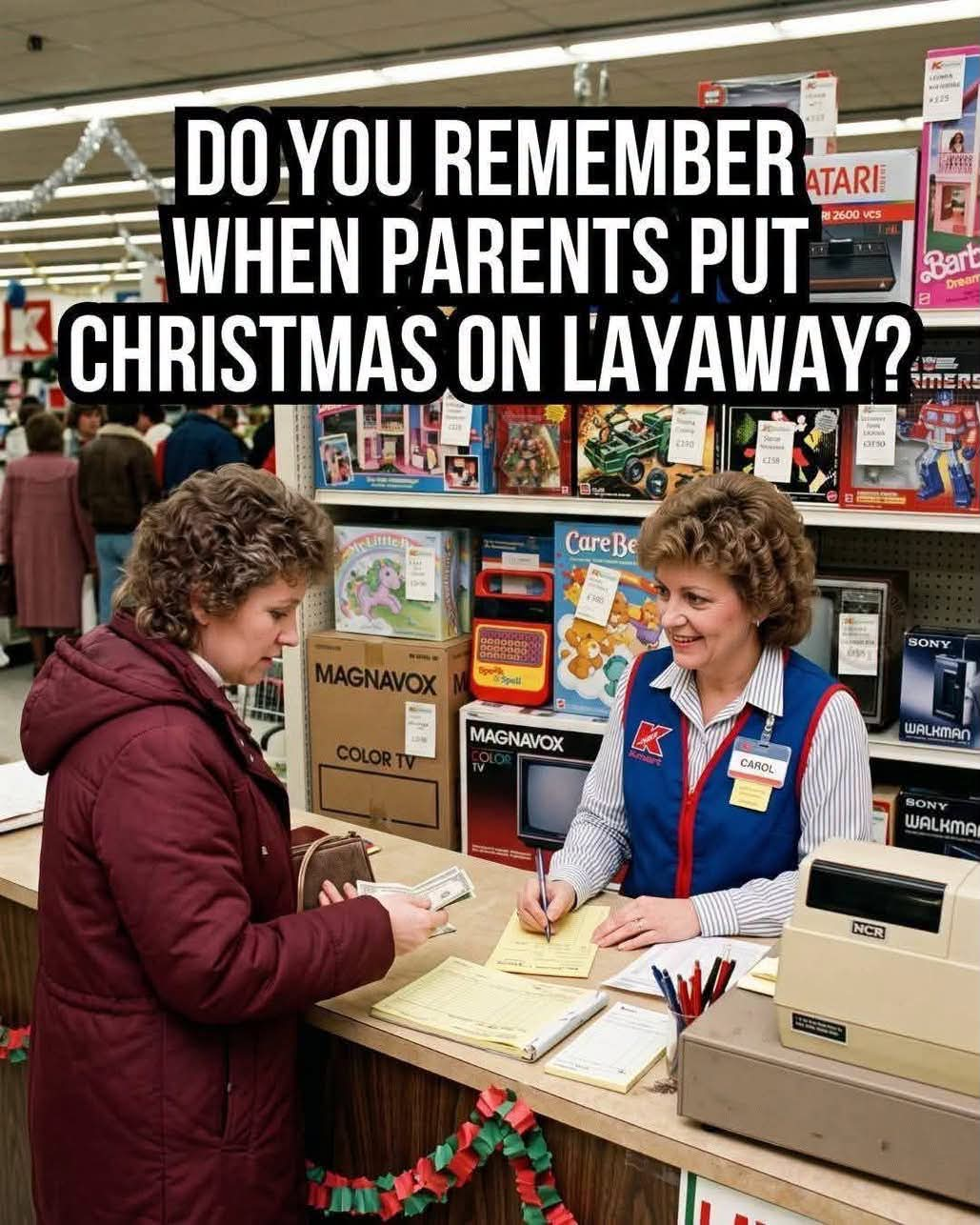
For millions who grew up during the 1970s, 1980s, and 1990s, the holiday season was defined by a cherished retail ritual: visiting the customer service counter at stores like Kmart, Walmart, or Sears to place holiday gifts on layaway. A nostalgic viral photo showing a customer handing cash over to a store clerk named Carol at a Kmart layaway counter—surrounded by vintage Atari consoles, Care Bears, My Little Pony sets, Transformers, Magnavox color TVs, and Sony Walkmans—evokes warm memories of family tradition and smart financial planning. Before credit cards became ubiquitous and online shopping revolutionized consumer habits, layaway provided families with an accessible, interest-free method to spread out holiday expenses without going into debt. Beyond nostalgia, examining the history of retail layaway offers valuable insights into modern household budgeting, smart consumer finance, and how payment technologies have evolved over time. In this nostalgic financial guide, we explore the rise and cultural impact of retail layaway, compare traditional layaway with modern Buy Now, Pay Later (BNPL) platforms, and share practical financial strategies to manage holiday spending without stress.The Nostalgic Ritual of Holiday LayawayDuring the peak era of department store layaway, the process was simple, structured, and community-centered: +——————————————————————-+
| THE CLASSIC LAYAWAY WORKFLOW |
| |
| [ 1. SELECTION ] → Pick out toys, electronics & clothing |
| [ 2. DOWN PAYMENT ] → Pay small deposit at the Layaway Desk |
| [ 3. INSTALMENTS ] → Weekly cash payments throughout fall |
| [ 4. PICKUP ] → Pay final balance & hide gifts before Xmas |
+——————————————————————-+
1. Securing Popular Holiday Toys EarlyPopular holiday toys—such as Cabbage Patch Kids, Transformers, Atari 2600 systems, and Sony Walkmans—frequently sold out weeks before Christmas. Layaway guaranteed that parents could secure hard-to-find items in late summer or early fall while paying over time. 2. Keeping Secrets Safe from Curious KidsOne understated benefit of retail layaway was storage. Retail stores kept the reserved items stored safely in backroom stockrooms until the final balance was settled, preventing sharp-eyed children from discovering hidden gifts in home closets or attics.3. Disciplined Cash-Based BudgetingLayaway required zero credit checks and charged no interest fees. Families paid cash in small, manageable weekly increments, ensuring that when Christmas morning arrived, every gift was completely paid for with no lingering January credit card bills. Classic 1980s Retail Staples Featured in the SceneThe iconic imagery associated with retro layaway desks serves as a vibrant time capsule of 1980s pop culture and retail history: Classic Gaming & Electronics: Boxed Atari 2600 VCS consoles, Magnavox color televisions, and cassette Sony Walkmans dominated consumer wishlist dreams. Beloved Toys & Action Figures: Shelves packed with Care Bears, My Little Pony, Transformers, and Barbie sets represented peak childhood nostalgia. Kmart Retail Heritage: The blue vest, red “K” logo name badge, and classic NCR cash register represent an era when local discount stores served as community hubs. Layaway vs. Buy Now, Pay Later (BNPL): A Financial ComparisonIn recent years, traditional layaway programs have largely been replaced by digital Buy Now, Pay Later (BNPL) services (such as Klarna, Afterpay, and Affirm). While both allow installment payments, their financial structures differ significantly:Traditional LayawayMerchant Retains Item: The store keeps the merchandise in storage until the full balance is paid. Zero Interest: No interest charges accumulate over the payment term. No Credit Impact: Open to all shoppers regardless of credit history; no hard or soft credit checks required. Enforced Patience: Promotes disciplined, delayed gratification and prevents overspending. Modern Buy Now, Pay Later (BNPL)Immediate Possession: The consumer takes the item home immediately or receives it via home delivery.Potential Interest & Late Fees: While many 4-installment plans charge zero interest, missed payments can incur heavy penalty fees or high interest rates.Soft/Hard Credit Checks: Missed payments can be reported to credit bureaus, potentially affecting your credit score.Impulse Risk: Immediate gratification increases the temptation to overspend beyond personal financial limits.Practical Financial Lessons for Modern Holiday ShoppingAdopting the disciplined mindset of traditional layaway shoppers can keep your household finances healthy throughout the holiday season:1. Create a Dedicated Holiday Savings FundInstead of relying on high-interest credit cards or BNPL loans in December, start a dedicated holiday savings account in January. Depositing small weekly amounts creates a self-funded “layaway” pool for stress-free shopping.2. Shop Early and Track PricesBeginning your holiday purchasing early allows you to lock in promotional sales, avoid rush shipping fees, and spread expenses evenly over multiple paychecks—just as parents did decades ago. 3. Embrace Delayed GratificationTeaching children and managing family expectations around budgeting helps build lifelong financial literacy, proving that thoughtful planning yields far greater peace of mind than impulsive debt.Fascinating Facts About Layaway HistoryGreat Depression Origins: Layaway programs first emerged during the Great Depression of the 1930s as a way for struggling households to purchase essential clothing and household goods without credit.The Layaway Santa Trend: In the 2010s, anonymous donors dubbed “Secret Santas” gained national headlines by walking into stores like Walmart and paying off thousands of dollars in layaway balances for low-income families before Christmas.The Kmart Legacy: Kmart was famously one of the last major nationwide retailers to maintain year-round layaway service, making its layaway counter a legendary fixture of American suburban culture. ConclusionPutting Christmas on layaway was more than just a retail payment option—it was a cherished seasonal tradition grounded in practical budgeting, family love, and patience. By bringing the core principles of layaway—planning ahead, spending cash, and avoiding high-interest debt—into our modern shopping habits, we can enjoy meaningful holiday celebrations while keeping our personal finances completely secure. Frequently Asked Questions (FAQ)Do any stores still offer traditional layaway today?While most major nationwide retailers transitioned to digital BNPL options, select local jewelers, furniture outlets, and specialty retailers still offer traditional layaway programs during the holiday season.What was the main advantage of traditional layaway?The biggest advantage was interest-free financing with zero risk of debt. Because you couldn’t take items home until they were fully paid for, layaway prevented overspending and eliminated January debt stress. Why did retailers shift away from layaway to BNPL?Managing physical backroom inventory storage and processing manual layaway payments was labor-intensive for store staff. Digital BNPL platforms shift risk to third-party lenders while allowing immediate merchandise turnover. How can I recreate a layaway budget at home?Set up a separate high-yield savings account labeled “Holiday Fund.” Transfer a set dollar amount automatically from every paycheck throughout the year, ensuring your gift funds are fully cash-backed before shopping begins.
Do You Remember When Parents Put Christmas on Layaway? The History, Nostalgia, and Modern Evolution of Retail Financing