
Which Banana Is Healthiest: Green, Yellow, or Brown? Exploring Ripeness, Nutrition, and Health Benefits
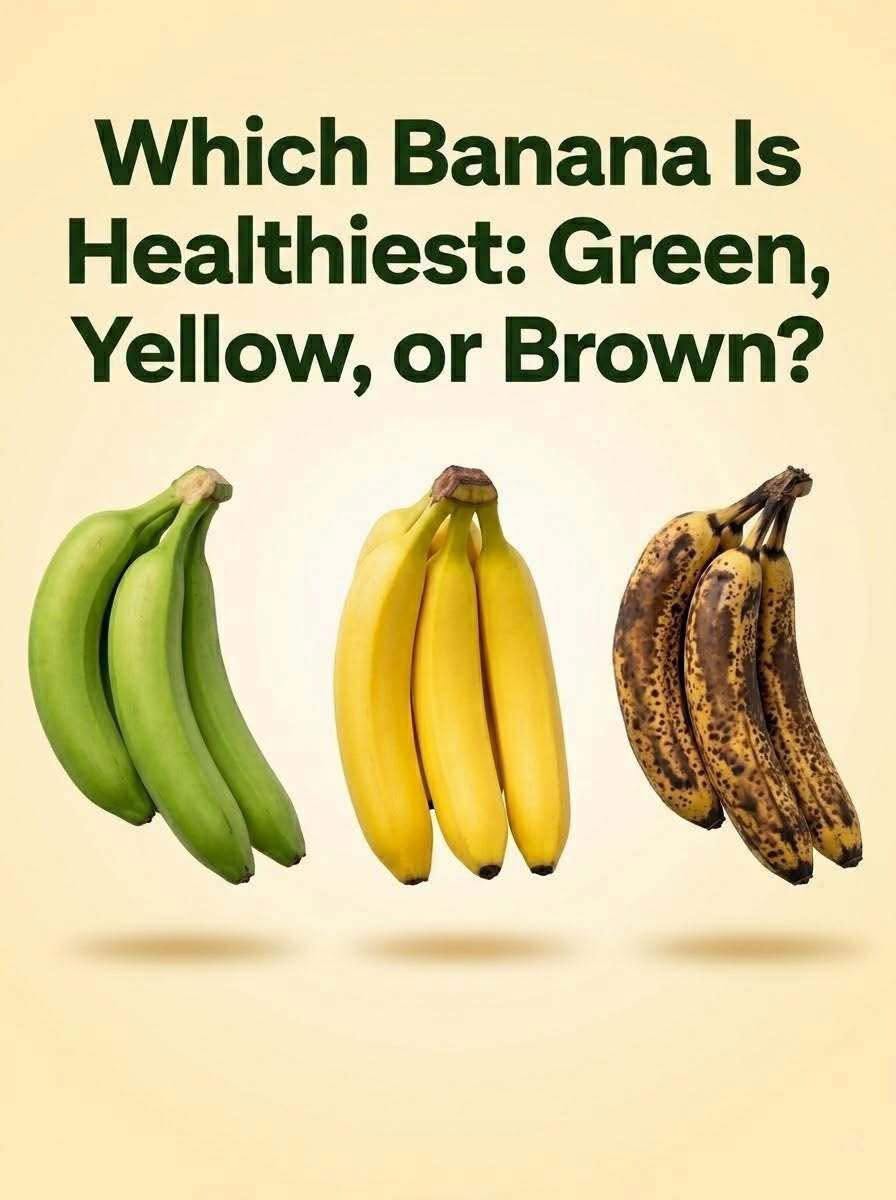
Throughout the world, bananas are one of the most popular and versatile fruits, enjoyed for their convenience, flavor, and rich nutrient profile. A popular and widely shared viral image asks a fascinating nutritional question using a side-by-side comparison of three bunches at different stages of ripeness:
“Which Banana Is Healthiest: Green, Yellow, or Brown?”
This engaging graphic resonates with millions because it addresses everyday dietary choices and nutritional science. Examining the distinct health properties of green, yellow, and brown bananas, the psychology of food choices, and how these lessons apply to daily life reveals the unique benefits of each ripening stage.
The Nutritional Breakdown: Green vs. Yellow vs. Brown Bananas
As bananas ripen, their chemical composition changes significantly. Starches convert into natural sugars, altering the taste, texture, and glycemic impact of the fruit. Understanding these changes helps individuals choose the right stage for their specific health and dietary goals.
Green Bananas (Unripe):
High in resistant starch, which acts similarly to dietary fiber and supports digestive health.
Lower glycemic index, causing a slower rise in blood sugar levels.
Firm texture and slightly bitter or earthy taste.
Yellow Bananas (Ripe):
Sweeter and softer as starches turn into natural sugars.
Easier to digest for sensitive stomachs.
Packed with essential vitamins, minerals, and antioxidants.
Brown Bananas (Overripe):
Highest in natural sugars and antioxidants.
Extremely easy to digest, making them ideal for baking or smoothies.
Contain higher concentrations of simple carbohydrates for a quick energy boost.
The Psychology of Food Preferences and Dietary Habits
From a psychological and behavioral perspective, food choices are often driven by taste preferences, texture habits, and nutritional goals. Some people prefer firm, less-sweet green bananas for blood sugar management, while others enjoy the rich sweetness of ripe yellow or spotted brown bananas.
Mindful Eating: Paying attention to how different foods affect your energy and digestion helps you make informed, personalized dietary decisions.
Overcoming Habits: Trying new food preparations—such as using green bananas in savory dishes or overripe bananas in healthy baking—encourages culinary creativity.
Health Consciousness: Engaging with nutritional graphics online fosters community discussions around wellness and healthy living.
Financial Wisdom, Food Preservation, and Waste Reduction
The principles of understanding food ripeness also apply directly to household budgeting, smart grocery shopping, and reducing food waste:
Prevent Food Waste: Instead of throwing away overripe brown bananas, repurpose them into healthy banana bread, smoothies, or oatmeal toppings to save money.
Buy in Stages: Purchase bunches at varying stages of ripeness to ensure your fruit lasts throughout the week without spoiling all at once.
Smart Storage: Store bananas properly to extend their freshness, keeping them away from other ethylene-producing fruits if you want to slow down the ripening process.
Practical Tips for Incorporating Bananas into Your Diet
If you want to maximize the nutritional benefits of bananas in your everyday routine, try these simple, actionable habits:
Match Your Goal: Choose green bananas if you are monitoring blood sugar or seeking resistant starch, and choose yellow or brown bananas for quick energy and easy digestion.
Freeze Excess Fruit: Peel and freeze overripe brown bananas for instant, creamy additions to morning protein shakes and smoothies.
Pair with Proteins: Combine bananas with nut butter or Greek yogurt to balance carbohydrates with healthy fats and proteins for sustained energy.
Experiment in the Kitchen: Explore new recipes that utilize bananas across all stages of ripeness, from savory plant-like green dishes to sweet baked goods.
Fascinating Facts About Bananas and Botany
Botanical Classification: Botanically speaking, banana plants are actually giant herbs, and the fruit is classified as a berry containing seeds that have evolved to be nearly invisible.
Natural Energy Boost: Bananas are famous for being rich in potassium and quick-digesting carbohydrates, making them a favorite pre- or post-workout fuel for athletes worldwide.
Global Staple Crop: Bananas are grown in over 130 countries and rank among the top export agricultural products globally, providing vital nutrition and economic support to tropical regions.
Conclusion
The engaging viral graphic comparing green, yellow, and brown bananas highlights that there is no single “healthiest” choice—each stage offers unique nutritional benefits depending on your personal health goals. By understanding ripeness, reducing food waste, and making mindful dietary choices, we can enjoy this versatile fruit to its fullest.
FAQ Section
Which banana is best for blood sugar management?
Green (unripe) bananas are best for blood sugar management because they contain high amounts of resistant starch, which digests slowly and prevents rapid glucose spikes.
Why do bananas turn brown as they ripen?
As bananas ripen, natural enzymes break down the starches into simple sugars, and oxidation causes the peel to develop dark spots and eventually turn brown.
Can you eat overripe brown bananas?
Yes, brown bananas are completely safe to eat and are actually the sweetest and easiest to digest, making them perfect for smoothies, pancakes, and baking.
