
The Spirit, Body, and Soul: Exploring the Three Dimensions of Human Existence
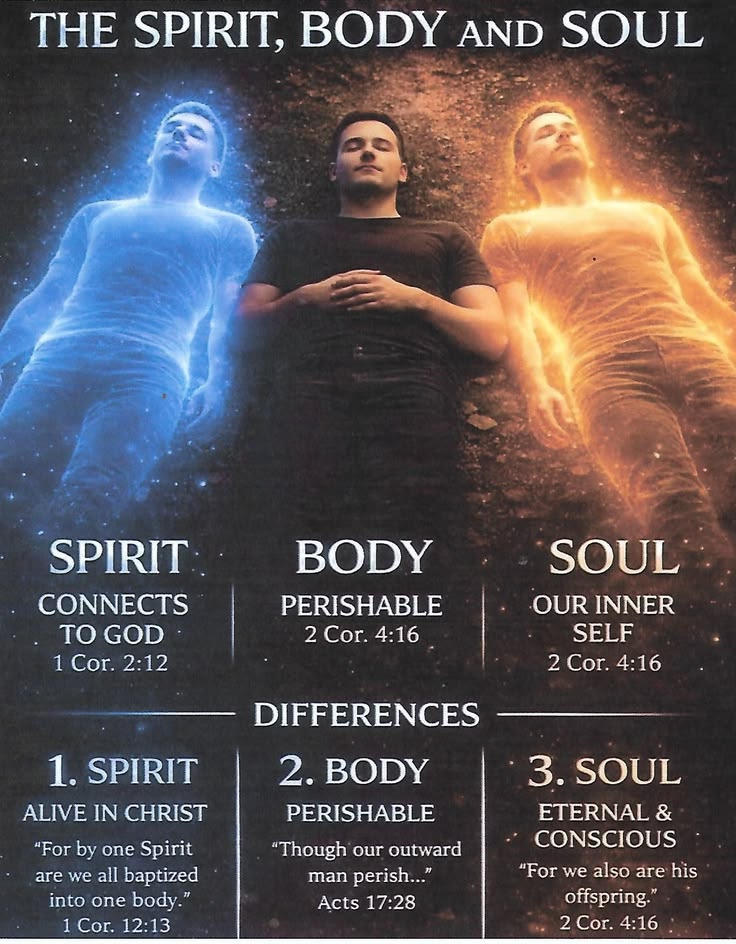
Throughout history, human beings have contemplated the deeper nature of existence, seeking to understand the connection between our physical form, our inner consciousness, and our spiritual essence. A popular and widely shared viral image illustrates this profound concept, breaking down the three distinct components of human makeup: “The Spirit, Body and Soul: Spirit (Connects to God, 1 Cor. 2:12), Body (Perishable, 2 Cor. 4:16), Soul (Our Inner Self, 2 Cor. 4:16).”
This thoughtful graphic resonates with millions because it touches on foundational theological and philosophical questions about human identity. Examining the scriptural breakdown of spirit, body, and soul, the importance of holistic well-being, and how these dimensions apply to modern life reveals the enduring wisdom behind this teaching.
The Tripartite Nature of Man: Spirit, Body, and Soul
The concept of human beings existing as a tripartite union—comprising spirit, body, and soul—is deeply rooted in classical theological study. Each dimension plays a unique, vital role in how we experience the world, interact with others, and connect with the divine.
Exploring the specific traits highlighted in the viral graphic provides a clearer picture of this intricate design:
The Spirit (Connects to God): Represented as the spiritual dimension that links humans directly to the divine, bringing life through faith and spiritual renewal (1 Cor. 2:12; 1 Cor. 12:13).
The Body (Perishable): The physical shell and outward man that interacts with the material world, subject to time, physical limits, and eventual decay (2 Cor. 4:16; Acts 17:28).
The Soul (Our Inner Self): The eternal and conscious seat of our mind, emotions, and identity—representing our innermost consciousness and enduring legacy (2 Cor. 4:16).
The Psychology of Holistic Health and Inner Balance
From both a spiritual and psychological perspective, true well-being requires acknowledging all dimensions of human existence. When we focus exclusively on the physical body while neglecting our emotional soul and spiritual health, we experience burnout, anxiety, and a deep sense of emptiness.
Conversely, nurturing our inner self through mindfulness, purposeful living, and spiritual grounding creates a balanced, harmonious life capable of weathering external hardships.
Nurturing the Inner Self: Caring for your emotional and mental soul brings clarity, peace, and resilience against life’s pressures.
Recognizing Physical Limits: Acknowledging the perishable nature of the physical body encourages healthy habits, self-care, and proper rest.
Seeking Higher Purpose: Connecting spiritually provides comfort, community, and a sense of meaning that transcends material concerns.
Financial Wisdom, Stewardship, and Long-Term Legacy
The principle of managing our spirit, body, and soul also translates directly into how we practice stewardship over our time, health, and financial resources:
Invest in Health and Wellness: Just as the body is perishable, taking care of your physical health through good nutrition and preventive care protects your quality of life.
Prioritize Eternal Values: Focus your resources on relationships, charitable giving, and meaningful experiences rather than accumulating temporary material goods.
Maintain Inner Peace: Cultivating a calm, disciplined mind prevents impulsive financial decisions driven by stress or anxiety.
Practical Tips for Balancing Spirit, Body, and Soul Daily
If you want to nurture all three dimensions of your life, try these simple, actionable habits:
Set Aside Time for Reflection: Dedicate quiet moments each day to prayer, meditation, or journaling to center your spirit and soul.
Care for Your Physical Body: Maintain a balanced routine of wholesome nutrition, regular physical activity, and adequate rest.
Engage in Uplifting Community: Surround yourself with positive, supportive individuals who encourage your personal and spiritual growth.
Practice Gratitude: Regularly express appreciation for life’s blessings to foster emotional and mental well-being.
Fascinating Facts About Theological and Philosophical Anthropology
The Dichotomy vs. Triotomy Debate: Christian theologians have long debated whether humans are composed of two parts (body and soul/spirit) or three distinct parts (spirit, soul, and body), with scriptural references supporting various interpretations.
The Etymology of Soul and Spirit: Ancient linguistic roots reveal that words for “soul” and “spirit” frequently derived from terms relating to breath, wind, or life force across multiple ancient languages.
The Mind-Body Connection: Modern medical science increasingly validates ancient philosophical views by demonstrating how emotional and mental states directly impact physical health and longevity.
Conclusion
The thought-provoking graphic examining the spirit, body, and soul offers a powerful reminder of the multi-dimensional nature of human life. By nurturing our physical health, tending to our conscious inner soul, and seeking spiritual connection, we achieve a balanced, meaningful, and harmonious existence.
FAQ Section
What is the difference between the spirit and the soul?
In traditional theological frameworks, the spirit is viewed as the dimension that connects directly with God, while the soul encompasses the inner self, mind, and seat of human consciousness.
Why is the body referred to as perishable?
The body is described as perishable because it is physical, subject to aging, physical limitations, and temporal decay over the course of a lifetime.
How can we achieve holistic balance in daily life?
Holistic balance is achieved by caring for physical health, nurturing emotional and mental well-being, and maintaining spiritual grounding through reflection and purpose.
