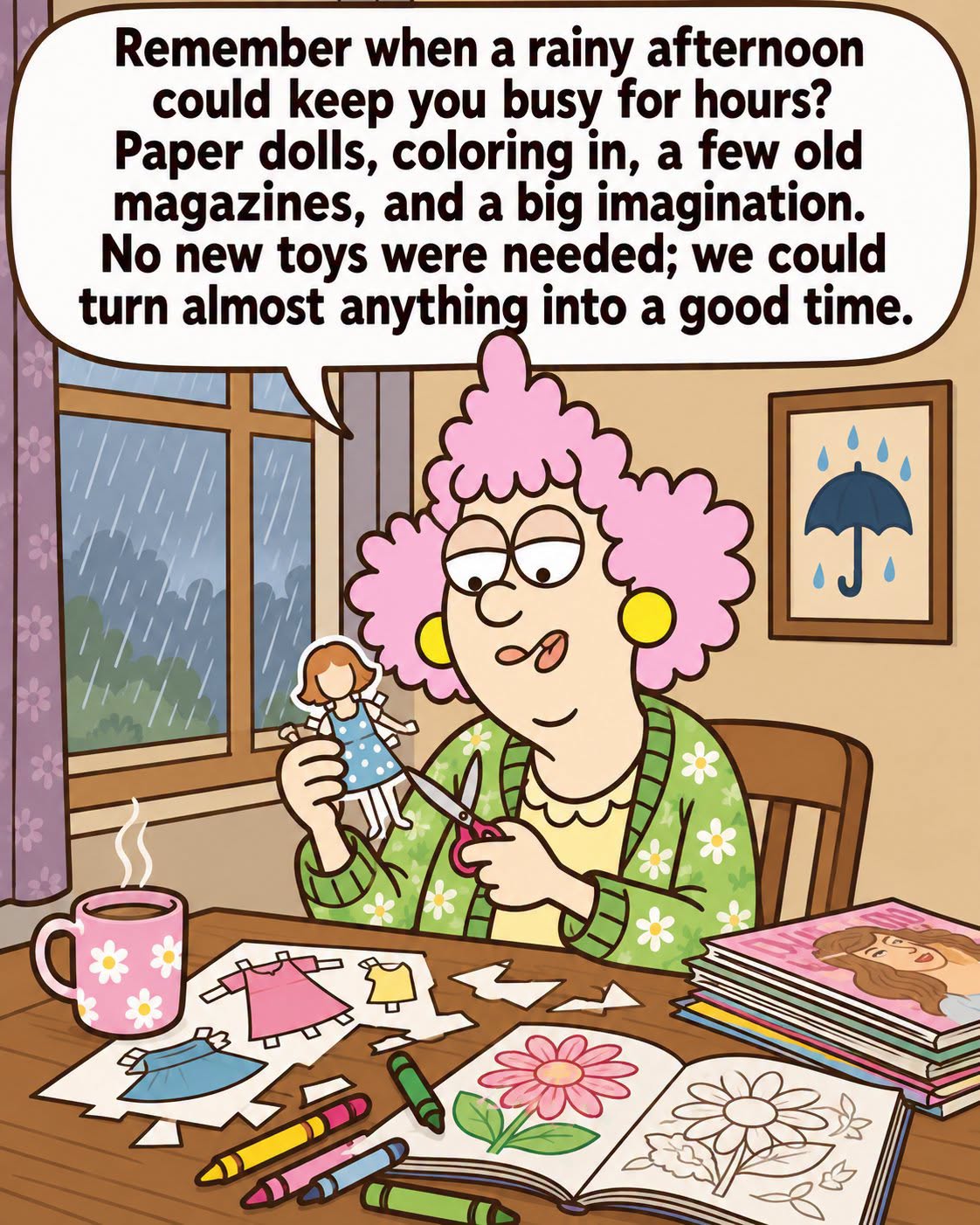
In an era dominated by smartphones, high-definition video games, and constant digital stimulation, it is easy to forget the simple pleasures of past decades. Nostalgic reflections often transport us back to rainy afternoons when a pair of safety scissors, a few old magazines, coloring books, and a vivid imagination were all that kids needed to stay entertained for hours. Why do memories of analog childhoods evoke such powerful feelings of warmth and comfort? In this comprehensive article, we explore the history of paper toys, the psychological benefits of unstructured creative play, the shift toward modern digital entertainment, and practical ways to bring screen-free creativity back into everyday life. The Simple Joys of Analog Play and Paper CraftsBefore digital screens filled living rooms, children relied on tactile, creative crafts to spark their imaginations and pass the time on stormy days. The History and Appeal of Paper DollsPaper dolls date back centuries, offering children an inexpensive yet endlessly customizable way to explore fashion, storytelling, and role-play. Cutting out paper outfits, designing new dresses, and creating elaborate fictional scenarios fostered fine motor skills and spatial coordination.Magazines, Coloring, and StorytellingOld magazines, crayons, and blank paper transformed kitchen tables into creative art studios. Without pre-packaged plastic toys dictating how a game should be played, children invented their own rules, characters, and adventures. The Psychology of Nostalgia: Why We Long for Simpler TimesReflecting on childhood pastimes triggers powerful emotional responses rooted in psychological well-being.The Comfort of Familiarity and SimplicityNostalgia acts as an emotional buffer against modern stress. Remembering cozy rainy afternoons spent indoors reminds adults of a time when life felt slower, more predictable, and free from constant digital notifications. Sparking Creativity Through BoredomPsychologists emphasize that moments of unstructured downtime—or “boredom”—are essential for cognitive development. When children are not passively entertained by screens, their brains are forced to invent creative solutions and imaginative play scenarios.The Digital Shift: Balancing Modern Media with Hands-On CraftsWhile modern technology offers remarkable educational tools, striking a healthy balance between digital devices and tactile crafting is vital for growing minds.The Drawbacks of Over-DigitizationExcessive screen time has been linked to shortened attention spans, reduced physical activity, and sleep disruptions in children. Reintroducing tactile activities like drawing, crafting, and building helps re-engage sensory-motor pathways.Blending Analog and Digital WorldsFamilies do not need to abandon technology entirely; instead, they can intentionally carve out device-free hours dedicated to hands-on art projects, board games, and storytelling.Practical Ways to Bring Creative, Screen-Free Play into Your HomeIf you want to recapture the charm of classic rainy-day activities and foster creativity in children or yourself, try these practical ideas:Set Up a Craft Station: Keep a dedicated box filled with colored paper, safety scissors, crayons, markers, and old magazines ready for impromptu art sessions.Designate Screen-Free Afternoons: Choose one afternoon a week to turn off televisions and tablets, replacing them with board games, drawing, or reading.Make DIY Toys: Encourage children to design their own paper dolls, cardboard houses, or comic books using household items.Embrace the Power of Boredom: Resist the urge to immediately solve a child’s boredom with digital media; instead, provide basic art supplies and let their imagination take over. Share Childhood Memories: Talk about the games and crafts you enjoyed as a child to bridge generational gaps and inspire new family traditions.Fascinating Facts About Toys and Imagination HistoryAncient Origins of Paper Art: The earliest precursors to paper dolls originated in Asia centuries ago, utilizing delicate hand-painted paper cutouts for storytelling and theatrical displays.The Power of Tactile Learning: Educational studies show that physical manipulation of materials like paper, clay, and crayons stimulates neural development more effectively than flat touchscreens.The Longevity of Classic Pastimes: Despite the rise of digital gaming, traditional arts and crafts remain among the most enduring and effective tools for childhood cognitive growth.ConclusionReminiscing about rainy afternoons spent crafting with paper dolls and old magazines reminds us that the best toys are often a child’s own imagination. By balancing modern digital conveniences with tactile, creative activities, we can honor the charming simplicity of past generations while enriching our lives today. Frequently Asked Questions (FAQ)1. Why are paper dolls considered effective developmental toys?Paper dolls help children develop fine motor skills through precise cutting, enhance hand-eye coordination, and encourage imaginative storytelling and creative design.2. How can I encourage children to spend less time on screens?Lead by example by setting designated device-free hours, providing accessible arts and crafts materials, and engaging in outdoor or hands-on activities together.3. Why do adults feel such strong nostalgia for analog childhoods?Nostalgia provides emotional comfort, recalling simpler times characterized by lower stress, stronger community bonds, and imaginative play. 4. What are some simple screen-free activities for a rainy day?Coloring books, making paper dolls, reading physical books, building blanket forts, and playing board games are fantastic ways to spend a rainy afternoon.
The Magic of Retro Childhoods: Paper Dolls, Rainy Days, and the Power of Imagination