
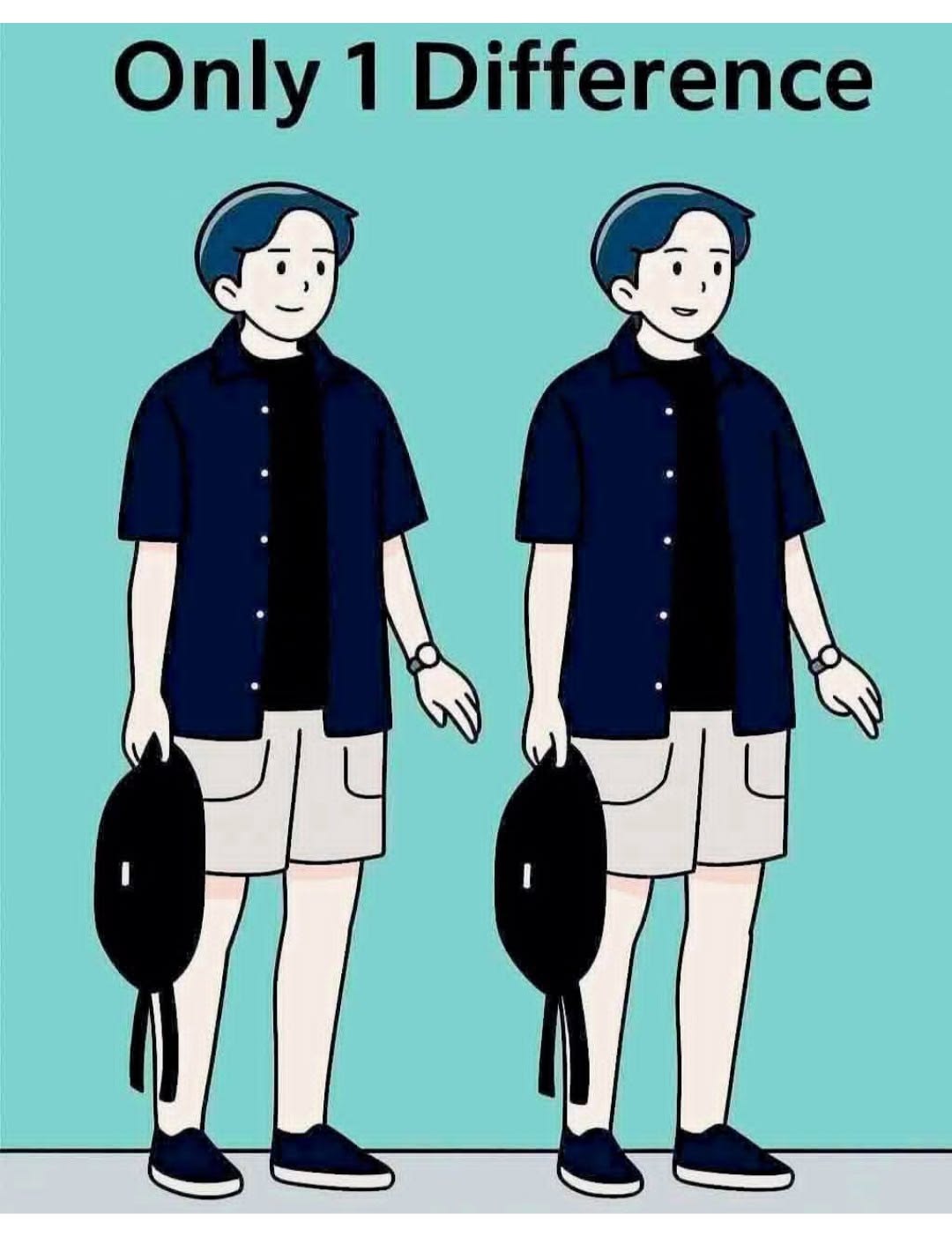
Visual puzzles, spot-the-difference games, and hidden detail challenges have been a staple of entertainment for decades. From Sunday newspaper comic strips to viral social media posts, these brain teasers captivate millions of users of all ages. When presented with two seemingly identical images with just one subtle change, our brains instantly engage in a rigorous process of visual scanning, spatial comparison, and pattern recognition.
Why do these simple puzzles generate such intense engagement and lively online debates? In this comprehensive guide, we explore the cognitive mechanics behind visual puzzles, the psychological benefits of brain training, how attention to detail sharpens everyday problem-solving skills, and practical ways to maintain mental sharpness as we age.
The Cognitive Science of Visual Scanning and Detail Recognition
When you look at a “spot the difference” puzzle, your brain does not simply take a single snapshot; it performs a complex series of rapid eye movements known as saccades, shifting focus between different points in the visual field.
Working Memory and Spatial Comparison
To identify a subtle discrepancy between two images, your visual working memory must temporarily store the details of one image while scanning the corresponding area of the second image. If a detail—such as a missing button, a shifted line, or an altered color—does not match your stored mental template, a mismatch signal is triggered in the brain’s parietal cortex.
The Dopaminergic Reward of Discovery
Finding that elusive hidden difference produces an immediate release of dopamine in the brain. This neurochemical reward creates a sense of satisfaction and accomplishment, encouraging you to keep searching and explaining why visual puzzles are so mentally engaging and addictive.
The Benefits of Brain Training for Cognitive Longevity
Keeping your mind active through puzzles, riddles, and visual games provides substantial long-term benefits for cognitive health.
Enhancing Concentration and Attention to Detail
In a modern digital world saturated with constant notifications and multitasking, our attention spans are frequently fractured. Spot-the-difference puzzles require single-minded focus and deep concentration, helping to train the brain to filter out distractions and notice subtle environmental changes.
Neuroplasticity and Cognitive Reserve
Neuroplasticity refers to the brain’s ability to reorganize itself by forming new neural connections throughout life. Engaging in novel mental challenges—such as logic puzzles, memory games, and visual teasers—helps build cognitive reserve, supporting mental agility and memory retention over time.
Practical Applications: Analytical Vision in Daily Life
The visual scanning and attention skills developed through puzzle-solving translate directly into practical benefits across various professional and personal domains.
Quality Control and Professional Precision
In fields such as medical imaging, legal document review, software quality assurance, and mechanical engineering, spotting minor inconsistencies or hidden errors is crucial. Professionals with strong visual discernment are less likely to overlook critical details.
Financial and Administrative Accuracy
Managing complex financial spreadsheets, reviewing contracts, auditing accounts, and verifying legal documents require the same meticulous attention to detail that helps you solve visual brain teasers. Cultivating analytical patience reduces costly oversights in everyday business management.
Practical Tips to Improve Your Spot-the-Difference Speed
If you want to sharpen your visual puzzle skills and find hidden differences faster, incorporate these simple strategies:
Divide and Conquer: Mentally grid the images into smaller sections (such as top-left, center, shoes, clothing) and scan one specific zone at a time rather than looking at the whole picture randomly.
Use the Alternating Glance Method: Rapidly shift your gaze back and forth between the exact same spot on the left image and the right image to let your peripheral vision detect motion or structural discrepancies.
Check High-Probability Areas: Differences are frequently hidden in accessories, background elements, patterns, shadows, or subtle color tones.
Take Micro-Breaks: If your eyes feel fatigued, look away for a few seconds to reset your visual focus before returning to the puzzle.
Practice Regularly: Dedicate a few minutes each day to visual games to improve your eye-tracking speed and pattern-recognition reflexes.
Fascinating Facts About Human Vision and Brain Processing
The Power of Saccadic Eye Movements: The human eye makes roughly three to four rapid jumps every second, meaning our brains actively stitch together dozens of visual snapshots to create a seamless picture of the world.
Inattentional Blindness: Psychological experiments show that when humans are deeply focused on one task, they can completely fail to notice major unexpected changes occurring right in front of them—a phenomenon known as inattentional blindness.
Peripheral Awareness: While our central vision handles sharp detail and color, our peripheral vision is exceptionally sensitive to motion and sudden contrast changes.
Conclusion
Visual puzzles like spot-the-difference challenges offer a wonderful blend of fun, nostalgia, and mental exercise. By forcing our brains to slow down, focus, and carefully compare minute details, these games enhance concentration, boost visual working memory, and provide a rewarding mental workout. Incorporating quick brain teasers into your daily routine is a fantastic way to keep your mind sharp, focused, and engaged.
Frequently Asked Questions (FAQ)
1. How do spot-the-difference puzzles improve cognitive skills?
They train your brain’s visual working memory, improve attention to detail, enhance concentration, and sharpen rapid scanning reflexes through active pattern comparison.
2. Why are some differences so difficult to spot?
Puzzle creators often hide differences in plain sight by altering minor textures, shifting color shades by a fraction, or placing changes in unexpected background areas where your eyes least expect them.
3. Can visual puzzles help reduce daily stress?
Yes! Engaging in a focused, low-stakes puzzle acts as a form of mindful distraction, pulling your attention away from daily worries and giving your mind a refreshing mental break.
4. Are visual brain teasers beneficial for older adults?
Absolutely. Regular mental stimulation through puzzles supports cognitive health, encourages neuroplasticity, and helps maintain visual processing speed as you age.
