
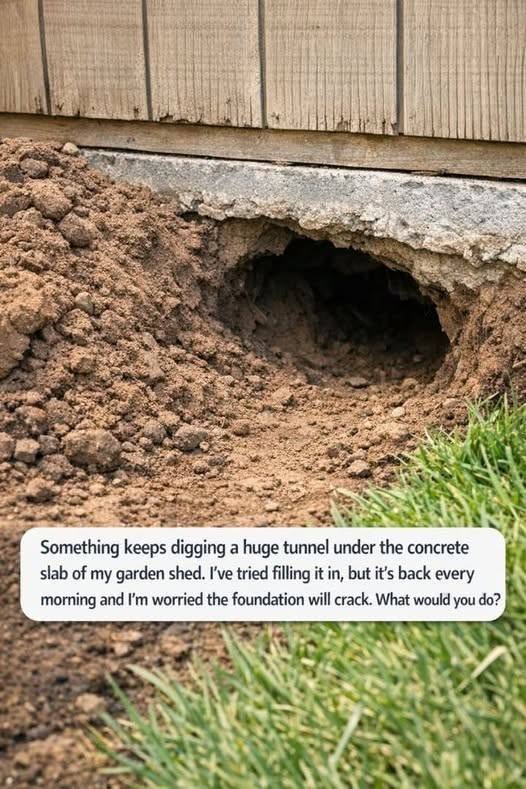
Discovering a massive burrow excavated beneath your garden shed, garage, deck, or home foundation can be deeply concerning. Burrowing animals such as groundhogs (woodchucks), raccoons, skunks, badgers, rats, and armadillos routinely search for cool, safe, sheltered locations to raise their young or hide from predators. A concrete slab or outdoor shed provides an ideal protective roof for their underground dens.
However, unchecked digging beneath concrete structures poses serious long-term risks. Over time, extensive burrowing removes critical soil support, leading to foundation settling, cracking, water pooling, and costly structural damage. This complete guide explores how to identify the offending critter, safely humanely discourage them, and install permanent structural barriers to protect your property investment.
The Hazards of Burrowing Animals Beneath Concrete Foundations
While a single hole might seem like a minor cosmetic annoyance, burrowing wildlife can compromise structural integrity if left unaddressed.
[ Risks of Foundation Digging ]
|
+——————————-+——————————-+
| | |
[ Soil Erosion & Voids ] [ Structural Cracking ] [ Moisture & Water Damage ]
– Undermines Support – Causes Uneven Settling – Channels Water Under Slab
– Threatens Slab Balance – Damages Concrete Framing – Accelerates Foundation Decay
1. Structural Instability and Void Creation
Concrete slabs rely on uniform, compacted soil beneath them to distribute weight evenly. When a burrowing animal excavates large volumes of dirt, it creates hollow voids. Without uniform ground support, heavy loads inside a shed or garage cause the slab to sink, tilt, or crack down the middle.
2. Water Accumulation and Erosion
Open tunnels act as natural funnels during heavy rainfall. Water enters the hole, washing away secondary sub-soil layer by layer, escalating the risk of foundation erosion and winter frost-heaving issues in colder climates.
3. Electrical and Property Hazards
Many burrowing animals, particularly rodents, gnaw continuously on surrounding materials. Tunnels near home foundations or utility entries increase the risk of damaged underground wiring, chewed irrigation pipes, and unwanted indoor pest entry.
Identifying the Culprit: Hole Sizes and Behavioral Clues
Identifying which creature is digging under your foundation helps you choose the most effective deterrent strategy.
Suspected Animal Entrance Hole Diameter Common Signs & Characteristics
Groundhog / Woodchuck 10 to 12 inches Massive dirt mounds near entrance; active primarily during daylight hours; nearby garden plant damage
Skunk 6 to 8 inches Smooth, round entry holes; strong odor nearby; shallow lawn digging (“cone-shaped” holes) for grubs
Raccoon 8 to 10 inches Rough, torn entrance sites; active at night; overturned trash cans or disturbed pet food
Norway Rat 2 to 4 inches Multiple small entrance holes near edges; smooth worn tracks; active mostly at night
Armadillo 7 to 9 inches Shallow burrows near foundations; extensive lawn damage from searching for insects
Step-by-Step Guide: How to Safely and Permanently Stop Burrowing
Simply filling a burrow with loose soil or gravel rarely works—the animal will easily dig it out by the next morning. To permanently resolve the problem, follow this structured humane process:
Step 1: Ensure the Burrow is Occupied or Vacant
Before sealing any hole, you must confirm whether the animal is currently inside. Trapping an animal beneath a slab leads to slow death and severe odor issues, while trapping mothers away from young creates additional wildlife complications.
The Paper/Straw Test: Loosely stuff crumpled newspaper, dry leaves, or small sticks into the entrance hole.
Observe: Check the hole 24 to 48 hours later. If the paper has been pushed out or disturbed, the den is actively being used. If it remains undisturbed, the burrow is vacant.
Step 2: Use One-Way Exclusion Doors (If Active)
If the burrow is occupied, install a one-way exclusion door over the main entrance. This device allows the animal to exit safely to search for food but prevents re-entry. Leave the exclusion door in place for 3 to 5 days.
Step 3: Install an L-Shaped Hardware Cloth Barrier
The single most effective long-term solution for preventing underground digging is an L-Shaped wire mesh barrier (also known as a rodent or exclusion curtain).
Structure Wall / Concrete Slab
||
||
==||===================== <– Ground Surface Level
|| |
|| | 12 inches vertical depth
|| |
|| +——————- <– 12 to 18 inches horizontal mesh flare
Dig a Trench: Excavate a trench 12 inches deep and 12 inches wide along the entire exposed perimeter of the concrete slab or shed base.
Attach Galvanized Mesh: Secure heavy-duty, 1/2-inch galvanized hardware cloth to the lower edge of the shed framing or concrete foundation using heavy staples or concrete screws.
Bend the Mesh outward: Extend the wire mesh 12 inches straight down into the trench, then bend it at a 90-degree angle outward away from the structure for another 12 to 18 inches.
Backfill with Dirt or Gravel: Refill the trench with soil, gravel, or concrete mix. When an animal tries to dig down at the edge of the shed, its paws hit the metal mesh. Animals cannot figure out how to back up 18 inches to dig around the barrier, forcing them to abandon the site permanently.
Filling Voids and Repairing Foundation Support
Once the animal is completely gone and the exclusion barrier is installed, you must address any empty air pockets remaining under the concrete slab:
Expanding Polyurethane Foam: Specialized high-density geotechnical polyurethane foam can be injected under the slab through small drilled holes. The foam expands rapidly, filling hidden voids and lifting sunken concrete back to level.
Flowable Slurry / Mudjacking: A mixture of Portland cement, soil, and water is pumped under high pressure into the void to restore firm ground support.
Gravel and Concrete Backfill: For smaller edge burrows, pack coarse gravel tightly into the tunnel before topping it off with quick-setting concrete.
Frequently Asked Questions (FAQ)
Can I just pour concrete directly down the hole?
Pouring concrete down an active hole without checking for animals can trap them inside, causing severe odor issues and health hazards. Furthermore, if the void beneath the slab is extensive, liquid concrete may drain away without fully supporting the slab. Use a proper exclusion strategy first, then evaluate polyurethane void filling or gravel packing.
Do chemical repellents or mothballs stop animals from digging?
Chemical repellents, predator urine, and mothballs offer temporary relief at best. Weather conditions quickly wash away scents, and animals often become accustomed to smell deterrents. Physical barriers (like galvanized hardware cloth) are the only guaranteed long-term fix.
Will insurance cover foundation damage caused by burrowing animals?
Most standard homeowners insurance policies exclude damage caused by wild animals, rodents, or gradual earth movement. Investing in preventative barrier installations saves significant money compared to out-of-pocket foundation repairs.
Final Thoughts
Dealing with animals digging beneath your shed or foundation requires a careful combination of humane exclusion and durable physical barriers. By identifying the animal early, utilizing one-way exit doors, installing a buried L-shaped wire mesh curtain, and properly backfilling empty sub-slab voids, you can protect your concrete foundation from costly structural damage and keep your property secure for years to come.
