
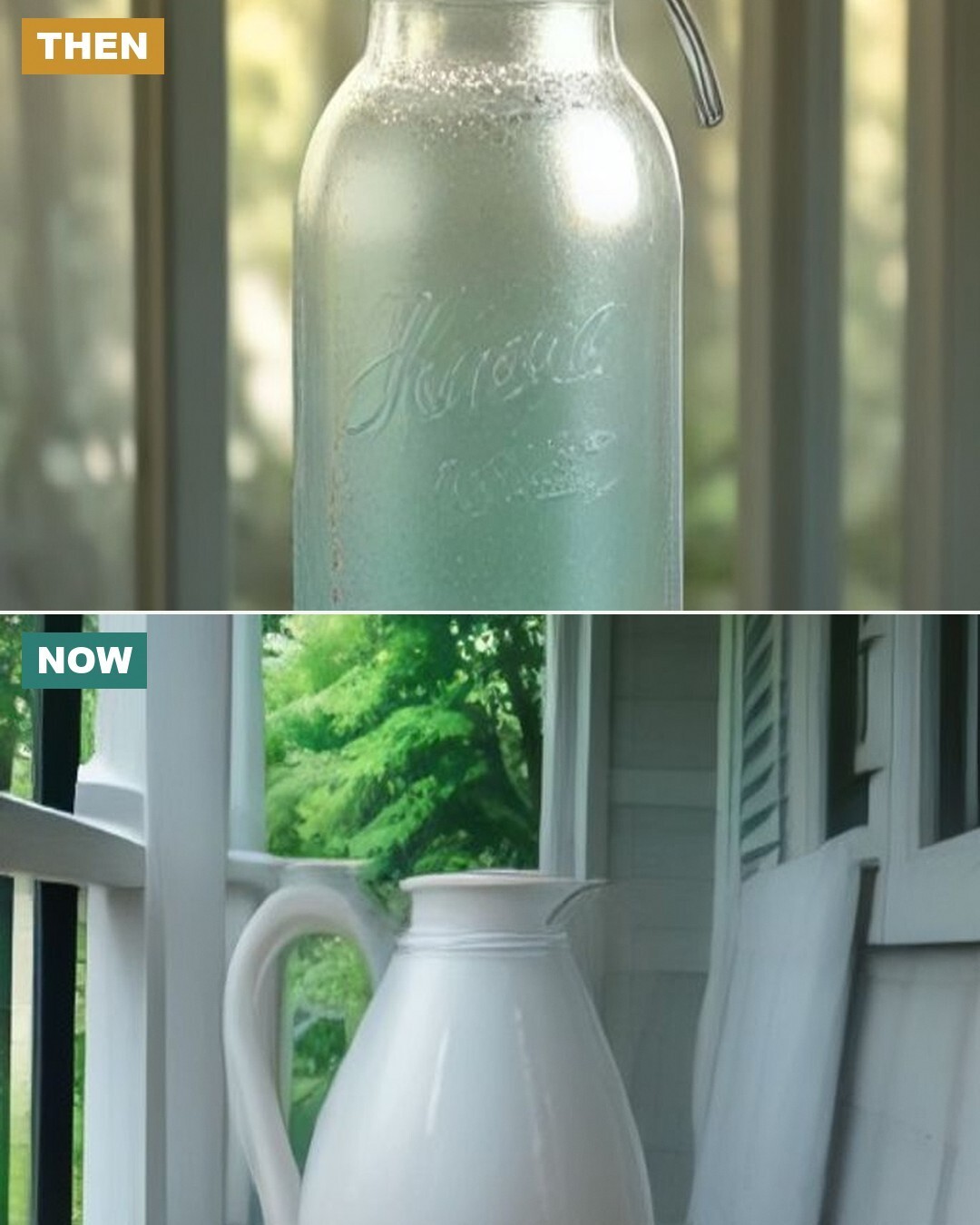
For decades across 20th-century America, the clink of glass bottles on the front porch signaled the start of a new morning. The neighborhood milkman was a cornerstone of daily community life—a reliable figure who delivered ice-cold, farm-fresh milk directly to doorsteps before families even woke up for breakfast. Children looked forward to scraping the rich cream off the top of the bottle, and empty glass containers were meticulously rinsed and set back outside for collection, washing, and reuse.
However, by the late 1970s and 1980s, this iconic morning ritual had largely vanished from suburban and urban landscapes. Glass milk bottles were rapidly replaced by cardboard cartons, plastic jugs, and self-serve supermarket dairy aisles. What driving forces led to the dramatic decline of home milk delivery? And why are eco-conscious consumers, artisanal dairies, and modern delivery services bringing glass milk bottles back into fashion today?
The Golden Era of Home Milk Delivery
To understand the disappearance of the porch milk bottle, it helps to examine its peak popularity during the mid-20th century. During the 1940s and 1950s, over half of all milk consumed in American homes was delivered directly by local dairies.
The Logistics of the Local Dairy System
Before modern refrigeration was widespread in homes, fresh milk spoiled rapidly. Local dairies operated within tight geographical radiuses, sourcing milk from nearby farms and pasteurization plants. Milkmen traveled daily or every other day along fixed neighborhood routes, using insulated metal porch boxes to shield milk bottles from summer heat and winter freezing.
+———————————————————————–+
| TRADITIONAL CIRCULAR GLASS BOTTLE CYCLE |
| |
| [ Local Dairy Farm ] —> [ Bottling & Pasteurization ] |
| | |
| v |
| [ Customer Porch Box ] <— [ Milkman Delivery Route ] |
| | |
| v |
| [ Empty Glass Bottle Rinsed ] —> [ Returned & Sterilized ] |
+———————————————————————–+
The Closed-Loop Reusable Glass Economy
The original milk delivery system was inherently sustainable. Heavy, durable glass bottles were designed to be reused dozens of times. Customers returned empty bottles to their porch box, where the milkman collected them. Dairies washed, high-temperature sterilized, refilled, and capped the bottles for the next delivery cycle. This closed-loop distribution model minimized material waste long before environmental recycling programs existed.
The Factors That Drove the Glass Milk Bottle Away
The decline of doorstep milk delivery was not caused by a single invention, but rather by a sweeping convergence of technological advancements, economic shifts, and changing consumer lifestyle habits following World War II.
1. The Expansion of Home Refrigeration
In the early 1900s, homes relied on iceboxes that could only keep perishable items cold for short periods. By the 1950s, modern electrical refrigerators with reliable freezing compartments became standard in American kitchens. Families no longer needed daily dairy deliveries to keep milk fresh; they could store multiple gallons safely for a week or more.
2. The Rise of Supermarkets and One-Stop Shopping
Post-war suburbanization fueled the growth of large, centralized supermarkets. Rather than receiving separate deliveries for milk, bread, and ice, consumers shifted toward weekly grocery trips. Supermarkets leveraged bulk purchasing power to sell milk at significantly lower prices than independent home delivery dairies could match.
+———————————————————————–+
| SHIFT IN DAIRY DISTRIBUTION |
| |
| [ 1940s: Local Dairy ] —-> Home Delivery —-> High Per-Unit Cost |
| |
| [ 1970s: Supermarket ] —-> Bulk Retail —-> Lower Price Points |
+———————————————————————–+
3. Packaging Innovations: Paper Cartons and Plastic Jugs
Glass bottles, while durable and recyclable, carried major logistical drawbacks for large-scale industrial distribution:
Weight: Glass is significantly heavier than paper or plastic, driving up fuel and transportation costs for long-haul trucking.
Fragility: Glass bottles can crack or shatter during high-speed automated packing and transport.
Return Logistics: Dairies had to collect, store, wash, and inspect returned bottles, adding labor and energy overhead.
In the mid-20th century, wax-coated paper cartons (and later gable-top paperboard) entered the market, followed by high-density polyethylene (HDPE) plastic gallon jugs in the 1960s and 1970s. These single-use containers were lightweight, shatterproof, non-returnable, and far cheaper to produce at scale.
Comparing Milk Packaging: Glass vs. Plastic vs. Paper Cartons
Each packaging material presents distinct advantages and trade-offs regarding taste preservation, environmental sustainability, and economic efficiency.
Metric / Characteristic Heavy Glass Bottle Paperboard Carton HDPE Plastic Jug
Taste & Flavor Protection Superior (Impermeable & Inert) Moderate (Can absorb paper odors) Good (May absorb fridge odors over time)
Insulation Properties Excellent (Retains cold longer) Fair Fair
Reusable Potential High (20 to 50+ reuses) Single-use only Single-use (Recyclable)
Transport Weight & Fuel Heavy (Higher transport costs) Very Lightweight Lightweight
Shatter Resistance Low (Can break) High High
Why Glass Milk Bottles Are Making a Modern Comeback
While doorstep delivery became a rarity by the late 20th century, the glass milk bottle never vanished entirely. In recent years, a renaissance has taken hold across urban centers and suburban communities alike, driven by changing consumer preferences and environmental awareness.
Superior Taste and Temperature Retention
Connoisseurs and dairy enthusiasts strongly maintain that milk tastes better out of a glass bottle. Glass is chemically inert, meaning it does not transfer synthetic chemical flavors or odors into the milk. Furthermore, thick glass holds cold temperatures significantly longer than thin plastic or paperboard, ensuring that milk remains crisp and refreshing from the refrigerator to the dining table.
Environmental Sustainability and Zero-Waste Movements
With growing public concern over single-use plastic pollution and landfill accumulation, modern consumers are seeking zero-waste alternatives. Reusable glass bottles offer a proven circular economy model. Regional micro-dairies now offer doorstep subscription services where customer return bottles to be sanitized and refilled, preventing thousands of plastic jugs from entering waste streams.
Support for Local Agriculture and Family Farms
Purchasing glass-bottled milk directly from regional dairies allows consumers to support local agricultural families. These micro-dairies often prioritize organic feed, pasture-raised cows, and high animal welfare standards, appealing to health-conscious shoppers willing to pay a premium for high-quality food sourcing.
Business, Logistics, and Household Financial Considerations
The revival of doorstep milk delivery and artisanal glass packaging reflects broader shifts in supply chain management, retail business models, and consumer spending habits.
Managing Local Supply Chains and Logistics
Operating a regional dairy delivery service requires balancing operational business costs, vehicle fleet management, and inventory logistics. Dairies must invest in specialized wash-and-sanitize infrastructure to handle returned glass containers safely while ensuring compliance with state and federal agricultural health standards.
+———————————————————————–+
| MODERN SUSTAINABLE DAIRY MODEL |
| |
| [ Local Farm Operations ] [ Consumer Subscription ] |
| – Pasture-Raised Cows – Digital Order Portal |
| – Organic Standards – Scheduled Doorstep Delivery |
| \ / |
| \ / |
| v v |
| [ Circular Glass Bottle Loop ] |
| – Deposit & Return System |
| – Reduced Single-Use Plastic |
| – High Local Economic Retention |
+———————————————————————–+
Financial Planning, Insurance, and Household Wealth
Whether managing a local agricultural business or budgeting household expenses, managing capital requires strategic financial oversight:
Agricultural & Business Investments: Independent dairies utilize specialized commercial loans, equipment financing, and business credit to fund pasteurization equipment, delivery vans, and bottling automation.
Risk Management and Insurance: Agricultural operations rely on comprehensive commercial insurance policies—including liability coverage, property insurance, and commercial auto coverage—to shield against transportation accidents or farm disruptions.
Household Budgeting: Balancing premium local food purchases against general household expenses requires smart family finance management, ensuring long-term savings, mortgage stability, and legacy protection through proper legal services and estate planning.
Frequently Asked Questions (FAQ)
1. Why did milkmen stop delivering milk to homes?
A combination of home refrigeration, the growth of affordable supermarkets, and the invention of lightweight, single-use plastic and paper packaging made store-bought milk cheaper and more convenient for most families.
2. Does milk actually stay colder in glass bottles?
Yes. Heavy glass acts as an effective thermal insulator. Once chilled, glass retains cold temperatures longer than thin plastic or paperboard, keeping milk colder when sitting on the breakfast table.
3. Are glass milk bottles more environmentally friendly than plastic jugs?
When reused multiple times within a local delivery network, glass bottles have a significantly lower lifetime environmental footprint than single-use plastic jugs. However, if glass bottles are not returned and reused, their initial manufacturing and transport energy costs are higher than plastic.
4. How do modern milk delivery services handle returned bottles?
Modern services use automated industrial bottle washers that clean, sanitize, and inspect returned glass bottles using high-temperature water and food-safe sanitizing agents before refilling them.
5. Can you still get milk delivered to your house today?
Yes. Numerous regional dairies and modern grocery delivery subscriptions offer doorstep milk delivery in insulated boxes, bringing back classic glass bottle services with convenient online ordering.
Conclusion
The story of the porch glass milk bottle is a fascinating reflection of American industrial history. What began as a vital daily necessity transformed into a victim of suburban supermarket convenience, only to emerge decades later as a prized symbol of quality, sustainability, and local craftsmanship. By choosing glass-bottled milk, modern consumers can enjoy superior flavor, support local agricultural businesses, and participate in a timeless, eco-friendly tradition that honors the past while building a cleaner future.
