
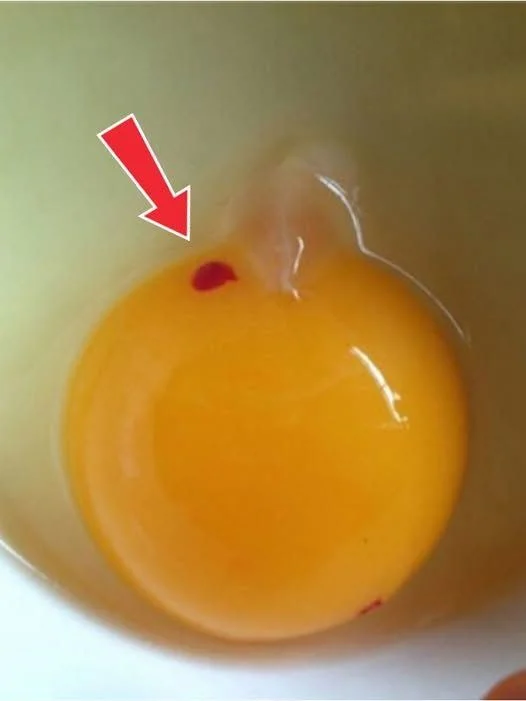
Cracking an egg into a skillet or mixing bowl is a staple morning ritual for millions of households across the globe. Eggs are a foundational element of nutrition, packed with vital proteins, essential fats, and necessary vitamins. However, every so often, a routine breakfast prep is interrupted by an unexpected visual surprise: a tiny, vivid red spot sitting directly on the golden yolk or floating near the albumen.
For many home cooks, discovering a red spot inside a fresh egg triggers immediate hesitation. Is the egg spoiled? Is it safe for consumption? Does this signal a dangerous bacterial contamination or a health hazard? Misconceptions surrounding these mysterious marks have circulated in home kitchens for decades. Understanding the science behind poultry biology, food production standards, and egg quality can eliminate needless food waste while giving you total peace of mind in the kitchen.
Understanding Blood Spots and Meat Spots in Fresh Eggs
To understand why these mysterious marks appear, it helps to break down what they actually are from a biological perspective. In culinary and agricultural terms, these visual anomalies are typically categorized into two distinct types: blood spots and meat spots.
What Is a Blood Spot?
A blood spot appears as a distinct red drop or fleck on the surface of an egg yolk. Contrary to a widespread urban legend, a blood spot does not indicate that an egg has been fertilized. Instead, it is the result of a tiny blood vessel rupturing during the egg formation process inside the hen’s reproductive tract.
During the natural ovulation cycle of a laying hen, an ovum (which becomes the yolk) releases from the ovary and travels down the oviduct. The ovary is heavily lined with microscopic blood vessels that supply nutrients. If one of these tiny vessels breaks when the yolk is released, a droplet of blood can adhere to the yolk’s surface before the eggshell forms around it.
What Is a Meat Spot?
While blood spots are bright red, meat spots usually appear brownish, grayish, or white. These spots are typically composed of harmless tissue shed from the wall of the oviduct as the egg moves through the hen’s system. Over time, or as the egg ages, chemical reactions can cause the dark red color of a standard blood spot to fade into a brownish meat spot. Both phenomena stem from natural, internal biological events during the laying process.
Why Do Blood Spots Occur? Key Causes in Poultry Biology
While blood spots might seem alarming at first glance, they occur naturally across all poultry breeds. Poultry scientists and avian veterinarians point to several factors that influence how frequently blood spots appear in farm and commercial eggs.
1. Hen Age and Genetics
The age of the laying hen plays a significant role in egg consistency. Younger hens who are just starting their laying cycle, as well as older hens nearing the end of their peak egg-laying years, experience fluctuating hormonal levels. These hormonal shifts can make delicate blood vessels in the ovary more prone to minor ruptures. Furthermore, certain genetic strains of chickens possess a naturally higher statistical likelihood of producing eggs with blood spots.
2. Environmental Stressors
Chickens are highly sensitive to changes in their environment. Sudden loud noises, sudden temperature shifts, over-crowding, or alterations in daily lighting schedules can induce physical stress in laying birds. Physical stress elevates blood pressure in the hen, increasing the likelihood of micro-vascular tears during ovulation.
3. Dietary Factors and Nutrition
A hen’s nutrition directly impacts egg shell thickness and internal quality. Deficiencies in vital nutrients—such as Vitamin A and Vitamin K—can weaken tissue strength and alter blood clotting mechanisms within the hen’s body. Ensuring balanced feed equipped with essential minerals helps farmers reduce the incidence of internal spots.
How Commercial Farmers Detect and Screen Eggs
If blood spots are a natural biological occurrence, why don’t we see them in every carton of eggs bought at the supermarket? The answer lies in modern agricultural technology and screening methods used by commercial egg producers.
The Science of Candling
Before eggs are packaged and transported to grocery stores, they undergo a rigorous quality inspection process known as candling. Historically, farmers held an egg up to a candle flame in a dark room to peer through the shell. Today, high-speed automated candling equipment uses intense beams of light and high-resolution optical sensors to scan the interior of thousands of eggs per hour.
+———————————————————————–+
| EGG INSPECTION PROCESS |
| |
| [ Egg Production ] —> [ High-Speed Sorting ] —> [ Automated Light ]
| | |
| v |
| [ Grade A Retail Packaging ] <— [ Pass Inspection ] <—+ |
| | |
| [ Commercial Baking/Liquid Use ] <— [ Minor Spot Detected ] |
| |
| [ Discarded / Recycled ] <— [ Major Anomaly / Broken Shell ] |
+———————————————————————–+
When an egg passes over the light source, inspectors can detect mass irregularities, air cell sizes, and internal dark spots.
Brown Shells vs. White Shells: Candling works exceptionally well on white eggs because light penetrates the translucent shell easily. However, brown eggs have darker, pigment-rich shells that make automated detection much more difficult. As a result, blood spots are statistically more common to find in cartons of organic or brown eggs.
Sorting and Diverting: Eggs with prominent blood spots are usually filtered out during the automated candling process. They are diverted away from retail cartons and redirected toward non-food industrial uses or commercial bakeries where eggs are pasteurized and processed in bulk.
Is It Safe to Eat an Egg with a Blood Spot?
The most critical question for any consumer is straightforward: Is it safe to eat?
According to food safety guidance from the United States Department of Agriculture (USDA) and health organizations worldwide, eggs containing small blood spots are entirely safe to consume provided the egg is properly handled, stored, and thoroughly cooked.
How to Handle an Egg with a Spot
If you crack an egg and discover a red spot, you have two simple choices:
Remove It with a Utensil: You can easily scrape the small red speck off the yolk using the tip of a clean knife, spoon, or an eggshell half before cooking.
Cook It Directly: If the spot is very small, you can simply mix or cook the egg as usual. Cooking the egg to an internal temperature of 160°F (71°C) neutralizes common bacterial risks such as Salmonella, ensuring the dish is completely safe to enjoy.
Dispelling Common Myths About Egg Blood Spots
Because blood spots look visually striking, they have spawned a wide variety of kitchen myths over generations. Clarifying these myths helps consumers make educated, waste-free decisions.
Common Myth Biological Reality
Myth 1: The egg is fertilized and contains an embryo. Fact: Blood spots occur due to broken blood vessels in the hen’s ovary before shell formation. They can occur in completely unfertilized eggs laying on isolated farms.
Myth 2: The presence of a spot means the egg is rotten or spoiled. Fact: A blood spot is a marker of absolute freshness. As an egg ages, the yolk absorbs water from the albumen, causing the spot to dilute and fade.
Myth 3: Blood spots contain harmful bacteria and diseases. Fact: Blood spots are sterile cellular matter from the hen’s blood vessels and do not inherently carry bacterial contamination.
Practical Kitchen Tips for Testing Egg Freshness
While a blood spot is not a sign of spoilage, knowing how to evaluate overall egg freshness is essential for everyday home cooking and health protection.
The Water Float Test
The float test is a fast, reliable method to determine an egg’s age before cracking it open:
Fresh Egg (Sinks to the Bottom): A fresh egg sits flat on its side at the bottom of a glass filled with cold water because its internal air cell is very small.
Slightly Older Egg (Stands on End): As an egg ages, moisture evaporates through microscopic pores in the shell, causing the air pocket to expand. The egg will tilt or stand upright on the bottom, but it is still safe for baking or hard-boiling.
Expired Egg (Floats to the Top): If an egg floats completely to the surface of the water, the internal air cell has expanded significantly, indicating the egg is old and should be discarded.
Odor and Shell Texture Inspection
Always examine the outer shell before cooking. Reject eggs with cracked, slimy, or powdery shells, as these indicate potential bacterial invasion. Furthermore, trust your sense of smell: any unpleasant or sulfurous odor upon cracking an egg is a definitive signal to throw it away immediately.
Connecting Food Quality to Health, Insurance, and Safety Awareness
Understanding food safety standards extends far beyond the kitchen counter. Modern dietary choices, hygiene standards, and food sourcing directly impact personal wellness, medical outcomes, and preventative health practices.
Preventive Health and Nutritional Wellness
Maintaining high kitchen safety protocols minimizes the risk of foodborne illnesses, such as Salmonella enteritidis infection. Foodborne illnesses lead to thousands of emergency room visits annually, resulting in unexpected health expenditures and medical bills. Investing time into proper food handling is a zero-cost form of preventative medicine that protects family health.
Protecting Your Household Budget
Food waste contributes significantly to rising household expenses. Throwing away perfectly safe, edible eggs simply due to a harmless cosmetic defect like a blood spot increases unnecessary grocery spending. By learning the science of egg anatomy, families can make smarter, money-saving decisions without compromising safety.
Furthermore, managing broader home wellness—from comprehensive health insurance coverage to safeguarding your family’s financial future with adequate life insurance—starts with everyday risk management. Just as securing appropriate coverage protects against unforeseen medical or legal expenses, adopting clear kitchen guidelines shields your home from avoidable health hazards.
Frequently Asked Questions (FAQ)
1. Are blood spots in brown eggs more common than in white eggs?
Yes. Brown egg-laying hen breeds have a slightly higher genetic tendency to produce blood spots. Additionally, the dark shell pigment makes automated candling screening less effective during commercial sorting, allowing more spotted brown eggs to reach retail shelves.
2. Can you eat an egg with a blood spot raw?
It is never recommended to consume raw or undercooked eggs due to the inherent risk of bacterial contamination, regardless of whether a blood spot is present. Always cook eggs thoroughly until both the white and yolk are firm.
3. Why do some eggs have a pink or iridescent white?
If the egg white (albumen) exhibits a pinkish or pearlescent hue, this is a clear sign of spoilage caused by Pseudomonas bacteria. Eggs displaying pinkish or green-tinged whites should be discarded immediately.
4. Does a blood spot affect the taste or nutritional value of the egg?
No. A blood spot does not alter the nutritional content, protein quality, or flavor profile of the egg. Once removed or cooked, the egg tastes identical to any non-spotted egg.
5. How long do fresh eggs last in the refrigerator?
When stored at or below 40°F (4°C) in their original carton, fresh raw eggs in shell generally retain optimal quality for 3 to 5 weeks from the pack date.
Conclusion
Finding a small red spot inside an egg yolk can certainly be startling, but it is a natural biological event rather than a sign of contamination or fertilization. Caused by minor blood vessel tears during the hen’s ovulation cycle, these spots are completely harmless, sterile, and easy to remove.
By applying proper kitchen safety practices, understanding egg candling processes, and recognizing the signs of genuine spoilage, you can reduce food waste, protect your family’s health, and approach morning meal preparation with total confidence.
